


AI for Lawyers
Navigating Ethics & Best Practices
CLE

Greg Siskind
Siskind Susser, PC


AI for Lawyers: Navigating Ethics & Best Practices
Greg Siskind will provide an overview of ethical rules governing a lawyer’s use of generative artificial intelligence as well as other potential sources of liability including state and federal laws, court rules, and malpractice claims. He will also discuss how to get the most use out of generative AI products including providing tips on creating prompts, how to shop for AI tools,
and how to talk to your clients about your use of this new technology.
Topics covered include:
Agenda:
Read More
›
- Overview of Ethical Rules Governing a Lawyer’s Use of Generative Artificial Intelligence
- Ethics compliance
- Rules 1.1, 1.3, 1.4, 1.5, 1.6, 1.7, 1.18, 3.3, 5.1-5.3, 5.4, 5.5
- Malpractice insurance carriers
- Court rules
- Regulatory oversight
- Discussion of Additional Potential Sources of Liability
- State and federal laws
- Court rules
- Malpractice claims
- Tips for Maximizing the Use of Generative AI Products
- Creating effective prompts
- Shopping for AI tools
- Communicating with clients about the use of generative AI
- Questions & Answers
Duration of this webinar:
60 minutes
Originally broadcast:
December 11, 2024 11:00 AM PT
Webinar Highlights
This webinar is divided into section summaries, which you can scan for key points and then dive into the sections that interest you the most.
Greg plans to discuss the ethical implications and liability concerns of using AI in legal practice. He shares his early experiences with technology in law, noting past ethical debates about using websites and email. Greg aims to explore how AI can be responsibly integrated into legal practices.
Greg reflects on past skepticism about the internet and email, drawing parallels to current uncertainties about AI. He introduces generative AI, explaining its ability to generate content from prompts, unlike traditional AI. Greg highlights major players in the generative AI space, such as ChatGPT, Claude, and Gemini. He explains that generative AI generates responses based on patterns from vast data sources, which can lead to errors. Greg discusses the concept of 'temperature' in AI, affecting the conservativeness of responses. He lists legal AI products, including Co-Counsel and Lexis AI, and their applications in legal tasks. Greg plans to discuss how to shop for AI products and their use in legal practice.
Greg discusses the risks of using generative AI, citing a case where a lawyer used ChatGPT and found non-existent cases. He warns about AI's tendency to 'hallucinate,' producing incorrect but confident-sounding answers. Data privacy is a significant concern, since input data can be used to train AI models and potentially be accessed by others. Greg mentions tools that allow private access to AI, mitigating some privacy risks. He notes that AI's reliance on outdated data has improved with newer models accessing live web data. Bias in AI responses is a risk due to the vast and varied data sources from which AI draws. Greg highlights ongoing copyright litigation against AI models and the need for oversight in AI use.
Greg emphasizes the importance of understanding court and regulatory rules regarding AI use in legal practice. He mentions international developments, such as Australia's ban on AI-generated witness statements. Greg discusses the EU's AI regulations and similar efforts in California and by the Biden administration. He advises caution with free AI products, recommending versions that ensure data privacy. Greg highlights the need to stay informed about court stances on AI, using resources like Ropes & Gray's chart. He outlines ethical considerations, including competence, confidentiality, and fee reasonableness. Greg stresses the importance of disclosing AI use to clients and maintaining professional independence.
Greg advises on creating AI use policies, including training modules for firm employees. He suggests discussing AI use with clients early, incorporating it into engagement letters. Greg offers to share model AI use policies and engagement letter language. He discusses legal research tools, emphasizing the importance of curated data sources and citation verification. Greg highlights the need for tools that handle confidential data securely and integrate with existing systems. He notes the potential of AI in drafting, translation, and document analysis, predicting advancements in 2025. Greg mentions tools like Pattern Builder for drafting and Billables.ai for time tracking.
Greg discusses the benefits of AI in client communication, emphasizing efficiency and transparency. He advises building trust with clients by explaining AI's role and addressing security concerns. Greg shares his approach to using AI in consultations, demonstrating its capabilities to clients. He stresses the importance of verifying AI-generated information and maintaining client trust. Greg suggests being upfront about AI use and addressing client concerns about its integration. He predicts AI will become an expected tool in legal practice, enhancing efficiency and client relationships. Greg concludes by offering his contact information for further inquiries and resources.
Please note this AI-generated summary provides a general overview of the webinar but may not capture all details, nuances, or the exact words of the speaker. For complete accuracy, please refer to the original webinar recording.
Speaker
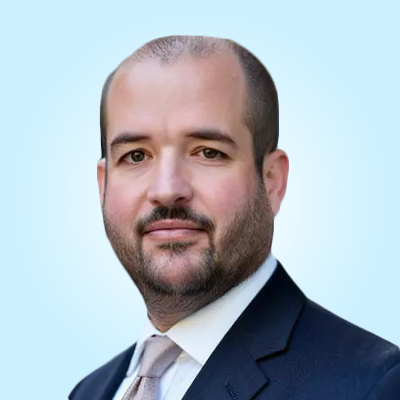
Greg Siskind
Founding Partner
Siskind Susser, PC
Siskind Susser, PC
Greg Siskind is a founding partner of Siskind Susser and has been practicing immigration law since 1990. He is also a co-founder of AI software company Visalaw Ventures. He received his bachelor’s degree from Vanderbilt University and his law degree from the University of Chicago. Read More ›


Continuing Legal Education (CLE) Credits
Lawyers: To receive CLE credit, you must verify your law license for free in the Justia Lawyer Directory to become a Justia Connect Practice member. Depending on the jurisdiction or course, you may be eligible for free CLE credit or may need to upgrade your membership to Justia Connect Pro. Check CLE terms for full details.
California CLE
Status: Approved
Format: On-Demand
Credits: 1.00 Legal Ethics
Earn Credit Until: June 30, 2028
Texas CLE
Status: Approved
Format: On-Demand
Credits: 1.00 Legal Ethics/Professional Responsibility
Earn Credit Until: November 30, 2026
This presentation is approved for one hour of Legal Ethics CLE credit in California. This course has been approved for Minimum Continuing Legal Education credit by the State Bar of Texas Committee on MCLE in the amount of 1.00 credit hours, of which 1.00 credit hours will apply to Legal Ethics/Professional Responsibility credit.
Justia only reports attendance in jurisdictions in which a particular Justia CLE Webinar is officially accredited. Lawyers may need to self-submit their certificates for CLE credit in jurisdictions not listed above.
Note that CLE credit, including partial credit, cannot be earned outside of the relevant accreditation period. To earn credit for a course, a lawyer must watch the entire course within the relevant accreditation period. Lawyers who have viewed a presentation multiple times may not be able to claim credit in their jurisdiction more than once. Justia reserves the right, at its discretion, to grant an attendee partial or no credit, in accordance with viewing duration and other methods of verifying course completion.
At this time, Justia only offers CLE courses officially accredited in certain states. Lawyers may generate a generic attendance certificate to self-submit credit in their own jurisdiction, but Justia does not guarantee that lawyers will receive their desired CLE credit through the self-submission or reciprocity process.
Looking for CLE credit?
Visit CLE Dashboard

Watch Related Videos
CLE

Nance Schick
Third Ear Conflict Resolution
Partnership, Not Replacement
Leveraging Human Capacity in the Era of Algorithmic Workplace Management
Watch Now

Become a Member to Watch This Webinar
Lawyers: To receive CLE credit, you must verify your law license for free in the Justia Lawyer Directory to become a Justia Connect Practice member. Depending on the jurisdiction or course, you may be eligible for free CLE credit or may need to upgrade your membership to Justia Connect Pro. Check CLE terms for full details.
Free Justia Connect Memberships are available to lawyers, other legal professionals, students, and all law enthusiasts.
Log In NowNot a Member? Get Connected for Free
Lawyers: To receive CLE credit, you must verify your law license for free in the Justia Lawyer Directory to become a Justia Connect Practice member. Depending on the jurisdiction or course, you may be eligible for free CLE credit or may need to upgrade your membership to Justia Connect Pro. Check CLE terms for full details.
CLE

Dan Gibson
Davis Hartman Wright
AI-Powered Lawyering
Tools To Save Time and Improve Output
Watch Now
Become a Member to Watch This Webinar
Lawyers: To receive CLE credit, you must verify your law license for free in the Justia Lawyer Directory to become a Justia Connect Practice member. Depending on the jurisdiction or course, you may be eligible for free CLE credit or may need to upgrade your membership to Justia Connect Pro. Check CLE terms for full details.
Free Justia Connect Memberships are available to lawyers, other legal professionals, students, and all law enthusiasts.
Log In NowNot a Member? Get Connected for Free
Lawyers: To receive CLE credit, you must verify your law license for free in the Justia Lawyer Directory to become a Justia Connect Practice member. Depending on the jurisdiction or course, you may be eligible for free CLE credit or may need to upgrade your membership to Justia Connect Pro. Check CLE terms for full details.
CLE


Ashley Hallene
Demeter Land Development
Jeffrey Allen
Graves & Allen
How Law Firms Can Prevent, Spot, Navigate, and Survive Scams and Cybercrimes
Watch Now
Become a Member to Watch This Webinar
Lawyers: To receive CLE credit, you must verify your law license for free in the Justia Lawyer Directory to become a Justia Connect Practice member. Depending on the jurisdiction or course, you may be eligible for free CLE credit or may need to upgrade your membership to Justia Connect Pro. Check CLE terms for full details.
Free Justia Connect Memberships are available to lawyers, other legal professionals, students, and all law enthusiasts.
Log In NowNot a Member? Get Connected for Free
Lawyers: To receive CLE credit, you must verify your law license for free in the Justia Lawyer Directory to become a Justia Connect Practice member. Depending on the jurisdiction or course, you may be eligible for free CLE credit or may need to upgrade your membership to Justia Connect Pro. Check CLE terms for full details.
CLE


Anna Russell
Cornell Law School
Craig Newton
The Legal Information Institute at Cornell Law School
Building Solutions to Legal Information Challenges
Watch Now
Become a Member to Watch This Webinar
Lawyers: To receive CLE credit, you must verify your law license for free in the Justia Lawyer Directory to become a Justia Connect Practice member. Depending on the jurisdiction or course, you may be eligible for free CLE credit or may need to upgrade your membership to Justia Connect Pro. Check CLE terms for full details.
Free Justia Connect Memberships are available to lawyers, other legal professionals, students, and all law enthusiasts.
Log In NowNot a Member? Get Connected for Free
Lawyers: To receive CLE credit, you must verify your law license for free in the Justia Lawyer Directory to become a Justia Connect Practice member. Depending on the jurisdiction or course, you may be eligible for free CLE credit or may need to upgrade your membership to Justia Connect Pro. Check CLE terms for full details.
CLE


Jennie Woltz
Woltz & Folkinshteyn, P.C.
Jeffrey J. Cunningham
Cohen Cunningham DeRose Higgins Lyon LLP
Benjamin Folkinshteyn
Woltz & Folkinshteyn, P.C.
Full-On Monet
AI in the Workplace, Legal Ethics, and Law Firm Risk Management
Watch Now
Become a Member to Watch This Webinar
Lawyers: To receive CLE credit, you must verify your law license for free in the Justia Lawyer Directory to become a Justia Connect Practice member. Depending on the jurisdiction or course, you may be eligible for free CLE credit or may need to upgrade your membership to Justia Connect Pro. Check CLE terms for full details.
Free Justia Connect Memberships are available to lawyers, other legal professionals, students, and all law enthusiasts.
Log In NowNot a Member? Get Connected for Free
Lawyers: To receive CLE credit, you must verify your law license for free in the Justia Lawyer Directory to become a Justia Connect Practice member. Depending on the jurisdiction or course, you may be eligible for free CLE credit or may need to upgrade your membership to Justia Connect Pro. Check CLE terms for full details.
CLE

Diana-Marie Laventure
Kaufman Borgeest & Ryan LLP
Smart Technology, Real Consequences
AI, Bias, and Employment Law
Watch Now
Become a Member to Watch This Webinar
Lawyers: To receive CLE credit, you must verify your law license for free in the Justia Lawyer Directory to become a Justia Connect Practice member. Depending on the jurisdiction or course, you may be eligible for free CLE credit or may need to upgrade your membership to Justia Connect Pro. Check CLE terms for full details.
Free Justia Connect Memberships are available to lawyers, other legal professionals, students, and all law enthusiasts.
Log In NowNot a Member? Get Connected for Free
Lawyers: To receive CLE credit, you must verify your law license for free in the Justia Lawyer Directory to become a Justia Connect Practice member. Depending on the jurisdiction or course, you may be eligible for free CLE credit or may need to upgrade your membership to Justia Connect Pro. Check CLE terms for full details.
CLE


Ian Comisky
Fox Rothschild LLP
Bryan Skarlatos
Kostelanetz LLP
Attorney Client Privilege Update
Identity, Crime Fraud and the Attorney As Whistleblower
Watch Now
Become a Member to Watch This Webinar
Lawyers: To receive CLE credit, you must verify your law license for free in the Justia Lawyer Directory to become a Justia Connect Practice member. Depending on the jurisdiction or course, you may be eligible for free CLE credit or may need to upgrade your membership to Justia Connect Pro. Check CLE terms for full details.
Free Justia Connect Memberships are available to lawyers, other legal professionals, students, and all law enthusiasts.
Log In NowNot a Member? Get Connected for Free
Lawyers: To receive CLE credit, you must verify your law license for free in the Justia Lawyer Directory to become a Justia Connect Practice member. Depending on the jurisdiction or course, you may be eligible for free CLE credit or may need to upgrade your membership to Justia Connect Pro. Check CLE terms for full details.
CLE

James Gatto
Sheppard Mullin
Beyond Copyright Training
10 Interesting AI Issues Being Litigated
Watch Now
Become a Member to Watch This Webinar
Lawyers: To receive CLE credit, you must verify your law license for free in the Justia Lawyer Directory to become a Justia Connect Practice member. Depending on the jurisdiction or course, you may be eligible for free CLE credit or may need to upgrade your membership to Justia Connect Pro. Check CLE terms for full details.
Free Justia Connect Memberships are available to lawyers, other legal professionals, students, and all law enthusiasts.
Log In NowNot a Member? Get Connected for Free
Lawyers: To receive CLE credit, you must verify your law license for free in the Justia Lawyer Directory to become a Justia Connect Practice member. Depending on the jurisdiction or course, you may be eligible for free CLE credit or may need to upgrade your membership to Justia Connect Pro. Check CLE terms for full details.
CLE

Robyn Charles
Education Media LLC
AI, Evidence, and the Future of Legal Practice
Watch Now
Become a Member to Watch This Webinar
Lawyers: To receive CLE credit, you must verify your law license for free in the Justia Lawyer Directory to become a Justia Connect Practice member. Depending on the jurisdiction or course, you may be eligible for free CLE credit or may need to upgrade your membership to Justia Connect Pro. Check CLE terms for full details.
Free Justia Connect Memberships are available to lawyers, other legal professionals, students, and all law enthusiasts.
Log In NowNot a Member? Get Connected for Free
Lawyers: To receive CLE credit, you must verify your law license for free in the Justia Lawyer Directory to become a Justia Connect Practice member. Depending on the jurisdiction or course, you may be eligible for free CLE credit or may need to upgrade your membership to Justia Connect Pro. Check CLE terms for full details.
CLE
Greg Siskind
Siskind Susser, PC
AI and Ethics for Lawyers
Practical Guidance for Responsible Use
Watch Now
Become a Member to Watch This Webinar
Lawyers: To receive CLE credit, you must verify your law license for free in the Justia Lawyer Directory to become a Justia Connect Practice member. Depending on the jurisdiction or course, you may be eligible for free CLE credit or may need to upgrade your membership to Justia Connect Pro. Check CLE terms for full details.
Free Justia Connect Memberships are available to lawyers, other legal professionals, students, and all law enthusiasts.
Log In NowNot a Member? Get Connected for Free
Lawyers: To receive CLE credit, you must verify your law license for free in the Justia Lawyer Directory to become a Justia Connect Practice member. Depending on the jurisdiction or course, you may be eligible for free CLE credit or may need to upgrade your membership to Justia Connect Pro. Check CLE terms for full details.


