


Attorney Client Privilege Update
Identity, Crime Fraud and the Attorney As Whistleblower
CLE


Ian Comisky
Fox Rothschild LLP
Bryan Skarlatos
Kostelanetz LLP


Attorney Client Privilege Update: Identity, Crime Fraud and the Attorney As Whistleblower
In an evolving legal environment marked by heightened enforcement and regulatory scrutiny, the foundational doctrines of attorney-client privilege and work product protection continue to face significant challenges. Attorneys Ian M. Comisky of Fox Rothschild LLP and Bryan C. Skarlatos of Kostelanetz LLP explore critical developments, including enforcement actions that probe client identities, expanding interpretations of the crime-fraud exception, and new judicial and ethical pressures on privilege claims. This session offers a circuit-by-circuit analysis of how privilege and protection are being defined and contested, including search warrants targeting privileged records, as well as the ethical and professional responsibilities attorneys face when withdrawal, disclosure, or whistleblowing may be required. The program will also cover emerging issues relating to the use of artificial intelligence and the dangers to the attorney client privilege and work product protections. Ideal for litigators and in-house counsel alike, this program equips practitioners with practical guidance to navigate these complex issues and confidently safeguard client and firm interests.
Topics covered include:
Agenda:
Read More
›
- Overview
- Overview of attorney-client privilege and its modern challenges
- The increasing scrutiny on attorneys in regulatory and enforcement contexts
- Framing privilege within today’s compliance and technology landscape
- Basics of Attorney-Client Privilege & Work Product Doctrine
- Core elements and requirements of attorney-client privilege
- Key limitations, including business vs. legal advice distinctions
- Work product doctrine: scope, purpose, and key differences from privilege
- The Kovel doctrine and use of third-party professionals
- Gatekeeper Initiative & FinCEN Residential Real Estate Rule
- U.S. anti-corruption strategy and the “gatekeeper” concept
- AML and KYC expectations for attorneys and other professionals
- Overview of FinCEN’s Residential Real Estate Reporting Rule
- Tension between reporting obligations and confidentiality duties
- Attorney Ethics Rules & AI Considerations
- Ethical duties of confidentiality vs. evidentiary privilege
- ABA Model Rules developments and risk-based client assessment
- “Willful blindness” and heightened due diligence expectations
- AI-related risks: hallucinations, privilege waiver, and recent case law
- Hypothetical 1: Kovel Privilege Under Scrutiny
- Application of privilege to accountants and other third-party agents
- Distinguishing legal advice from non-privileged services
- Responding to summonses and subpoenas targeting third-party communications
- Hypothetical 2: Client Identity & Disclosure Obligations
- Limits of privilege in protecting client identity
- John Doe summons and compelled disclosures
- Circuit splits and practical implications
- Hypothetical 3: AI Use and Privilege Waiver
- Whether use of AI tools waives privilege
- Confidentiality concerns with third-party platforms
- Emerging judicial treatment of AI-assisted communications
- Conclusion
- Key takeaways on privilege protection and risk management
- Practical guidance for navigating evolving obligations
- Q&A (As Time Permits)
Duration of this webinar:
60 minutes
Originally broadcast:
June 11, 2026 9:00 AM PT
Webinar Highlights
This webinar is divided into section summaries, which you can scan for key points and then dive into the sections that interest you the most.
The speakers trace the historical roots of attorney-client privilege, emphasizing its development through common law. The privilege applies only to legal advice, not business or tax advice, and requires a lawyer acting in their legal capacity. Communications must be made in confidence to be privileged, and the privilege is primarily for client-to-lawyer communications. The privilege can be waived by the client, regardless of what the lawyer prefers.
The speakers discuss the work product doctrine, which protects materials prepared in anticipation of litigation. This protection is broader than attorney-client privilege, covering more than just legal advice. Disclosure to an adverse party can waive work product protection, but it remains intact otherwise. The doctrine applies to documents prepared with the thought of future litigation, including administrative proceedings like IRS audits. Work product protection can be a fallback when attorney-client privilege is not applicable.
The discussion shifts to ethical obligations and the challenges posed by AI in legal practice. Due diligence is essential to understand client transactions and avoid involvement in illegal activities. The ABA has adjusted Model Rules to emphasize inquiry and assessment throughout representation. AI's impact on confidentiality and privilege is explored, with recent cases highlighting potential pitfalls.
Hypotheticals are used to explore the application of attorney-client privilege and work product doctrine in various scenarios. The distinction between legal and accounting work is emphasized, particularly in tax-related cases. Client identity is generally not privileged, but exceptions exist if it reveals confidential communications. The importance of clear engagement letters and understanding privilege nuances is highlighted.
Please note this AI-generated summary provides a general overview of the webinar but may not capture all details, nuances, or the exact words of the speaker. For complete accuracy, please refer to the original webinar recording.
Speakers
Ian Comisky
Partner
Fox Rothschild LLP
Fox Rothschild LLP
Mr. Comisky is the Chair of International Compliance with the law firm of Fox Rothschild LLP. Mr. Comisky concentrates his practice in the areas of civil and criminal tax litigation, anti-money laundering compliance and complex corporate and commercial litigation. Mr. Comisky is the co-author of Tax Fraud and Evasion, which was reissued in December of 2023 and contains chapters dealing with money laundering, asset forfeiture, attorney client privilege and work product issues, as well as domestic and international compliance issues. Read More ›

Bryan Skarlatos
Partner
Kostelanetz LLP
Kostelanetz LLP
For forty years, Bryan has focused his practice on civil and criminal tax matters and other white collar criminal investigations and prosecutions. Clients often hire him as an expert on tax standards, penalties, and procedures. Read More ›

Continuing Legal Education (CLE) Credits
*CLE credit is only available to Justia Connect Pros. Not a Pro? Upgrade today>>
Alabama CLE
Status: Approved
Format: On-Demand
Credits: 1.00 Ethics
Earn Credit Until: December 31, 2026
Alaska CLE
Status: Approved
Format: Live (Virtual), On-Demand
Credits: 1.00 Ethics
Earn Credit Until: June 10, 2031
California CLE
Status: Approved
Format: On-Demand
Credits: 1.00 Legal Ethics
Earn Credit Until: June 30, 2028
Hawaii CLE
Status: Approved
Format: Live (Virtual), On-Demand
Credits: 1.00 Ethics
Earn Credit Until: June 10, 2028
Illinois CLE
Status: Approved
Format: On-Demand
Credits: 1.00 Professional Responsibility - Ethics / Civility / Professionalism / Sexual Harassment Prevention
Earn Credit Until: June 14, 2028
Nebraska CLE
Status: Approved
Format: On-Demand
Credits: 1.00 Professional Responsibility
Earn Credit Until: June 11, 2028
New Jersey CLE
Status: Approved
Format: Live (Virtual), On-Demand
Credits: 1.20 Ethics/Professionalism
Earn Credit Until: June 10, 2027
North Carolina CLE
Status: Approved
Format: On-Demand
Credits: 1.00 Ethics
Earn Credit Until: February 28, 2027
Ohio CLE
Status: Approved
Format: On-Demand
Credits: 1.00 Attorney Professional Conduct
Earn Credit Until: December 31, 2026
Pennsylvania CLE
Status: Approved
Format: On-Demand
Credits: 1.00 Ethics, Professionalism, or Substance Abuse
Earn Credit Until: June 10, 2028
South Carolina CLE
Status: Approved
Format: Live (Virtual), On-Demand
Credits: 1.00 Legal Ethics/Professional Responsibility
Difficulty: All Levels
Earn Credit Until: December 31, 2026
Texas CLE
Status: Approved
Format: On-Demand
Credits: 1.00 Total: 0.75 General, 0.25 Legal Ethics/Professional Responsibility
Earn Credit Until: May 31, 2027
Utah CLE
Status: Approved
Format: On-Demand
Credits: 1.00 Ethics
Earn Credit Until: December 31, 2026
Vermont CLE
Status: Approved
Format: Live (Virtual), On-Demand
Credits: 1.00 Ethics
Earn Credit Until: June 11, 2031
This presentation is approved for one hour of Ethics CLE credit in Alabama, one hour of Ethics CLE credit in Alaska, one hour of Legal Ethics CLE credit in California, one hour of Ethics CLE credit in Hawaii, one hour of Professional Responsibility - Ethics / Civility / Professionalism / Sexual Harassment Prevention CLE credit in Illinois, one hour of Professional Responsibility CLE credit in Nebraska, one hour of Ethics CLE credit in North Carolina, one hour of Attorney Professional Conduct CLE credit in Ohio, one hour of Ethics, Professionalism, or Substance Abuse CLE credit in Pennsylvania, one hour of Legal Ethics/Professional Responsibility CLE credit in South Carolina (all levels), one hour of Ethics CLE credit in Utah, and one hour of Ethics CLE credit in Vermont. This program has been approved by the Board on Continuing Legal Education of the Supreme Court of New Jersey for 1.20 hours of total CLE credit. Of these, 1.20 qualify as total hours of credit for Ethics/Professionalism. This course has been approved for Minimum Continuing Legal Education credit by the State Bar of Texas Committee on MCLE in the amount of 1.00 credit hours, of which 0.25 credit hours will apply to Legal Ethics/Professional Responsibility credit.
Justia only reports attendance in jurisdictions in which a particular Justia CLE Webinar is officially accredited. Lawyers may need to self-submit their certificates for CLE credit in jurisdictions not listed above.
Note that CLE credit, including partial credit, cannot be earned outside of the relevant accreditation period. To earn credit for a course, a lawyer must watch the entire course within the relevant accreditation period. Lawyers who have viewed a presentation multiple times may not be able to claim credit in their jurisdiction more than once. Justia reserves the right, at its discretion, to grant an attendee partial or no credit, in accordance with viewing duration and other methods of verifying course completion.
At this time, Justia only offers CLE courses officially accredited in certain states. Lawyers may generate a generic attendance certificate to self-submit credit in their own jurisdiction, but Justia does not guarantee that lawyers will receive their desired CLE credit through the self-submission or reciprocity process.
Looking for CLE credit?
Visit CLE Dashboard

Watch Related Videos
CLE

Nance Schick
Third Ear Conflict Resolution
Partnership, Not Replacement
Leveraging Human Capacity in the Era of Algorithmic Workplace Management
Watch Now

Become a Member to Watch This Webinar
* CLE credit is only available to Justia Connect Pro members.
Free Justia Connect Memberships are available to lawyers, other legal professionals, students, and all law enthusiasts.
Log In NowNot a Member? Get Connected for Free
* CLE credit is only available to Justia Connect Pro members.
CLE

Dan Gibson
Davis Hartman Wright
AI-Powered Lawyering
Tools To Save Time and Improve Output
Watch Now
Become a Member to Watch This Webinar
* CLE credit is only available to Justia Connect Pro members.
Free Justia Connect Memberships are available to lawyers, other legal professionals, students, and all law enthusiasts.
Log In NowNot a Member? Get Connected for Free
* CLE credit is only available to Justia Connect Pro members.
CLE


Ashley Hallene
Demeter Land Development
Jeffrey Allen
Graves & Allen
How Law Firms Can Prevent, Spot, Navigate, and Survive Scams and Cybercrimes
Watch Now
Become a Member to Watch This Webinar
* CLE credit is only available to Justia Connect Pro members.
Free Justia Connect Memberships are available to lawyers, other legal professionals, students, and all law enthusiasts.
Log In NowNot a Member? Get Connected for Free
* CLE credit is only available to Justia Connect Pro members.
CLE

Charity Anastasio
The American Immigration Lawyers Association
Conflicts of Interest
Identification, Analysis, and Prevention Systems
Watch Now
Become a Member to Watch This Webinar
* CLE credit is only available to Justia Connect Pro members.
Free Justia Connect Memberships are available to lawyers, other legal professionals, students, and all law enthusiasts.
Log In NowNot a Member? Get Connected for Free
* CLE credit is only available to Justia Connect Pro members.
CLE


Anna Russell
Cornell Law School
Craig Newton
The Legal Information Institute at Cornell Law School
Building Solutions to Legal Information Challenges
Watch Now
Become a Member to Watch This Webinar
* CLE credit is only available to Justia Connect Pro members.
Free Justia Connect Memberships are available to lawyers, other legal professionals, students, and all law enthusiasts.
Log In NowNot a Member? Get Connected for Free
* CLE credit is only available to Justia Connect Pro members.
CLE

Micah Buchdahl
HTMLawyers, Inc.
Marketing, Advertising, and Solicitation Compliance for Law Firms
Watch Now
Become a Member to Watch This Webinar
* CLE credit is only available to Justia Connect Pro members.
Free Justia Connect Memberships are available to lawyers, other legal professionals, students, and all law enthusiasts.
Log In NowNot a Member? Get Connected for Free
* CLE credit is only available to Justia Connect Pro members.
CLE

Jennifer Sweeton
Sweeton Injury Law, LLC
PTSD 101
Recognizing PTSD & Related Disorders in Legal Clients
Watch Now
Become a Member to Watch This Webinar
* CLE credit is only available to Justia Connect Pro members.
Free Justia Connect Memberships are available to lawyers, other legal professionals, students, and all law enthusiasts.
Log In NowNot a Member? Get Connected for Free
* CLE credit is only available to Justia Connect Pro members.
CLE
Nance Schick
Third Ear Conflict Resolution
Leading Through the "Sandwich" Crisis
A Conflict Triage for 2026
Watch Now
Become a Member to Watch This Webinar
* CLE credit is only available to Justia Connect Pro members.
Free Justia Connect Memberships are available to lawyers, other legal professionals, students, and all law enthusiasts.
Log In NowNot a Member? Get Connected for Free
* CLE credit is only available to Justia Connect Pro members.
CLE
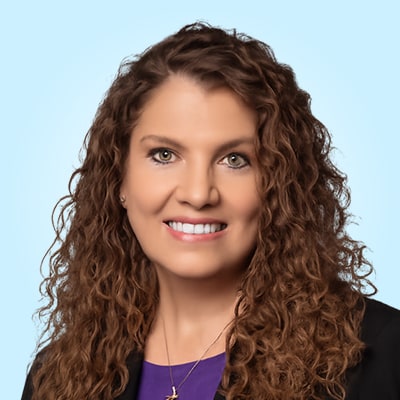

Amber Bevacqua-Lynott
Buchalter
Troy J. Wood
Reuter Corbett, LLP
Say What?
Ethical Obligations and Avoiding Missteps in Client Communication
Watch Now
Become a Member to Watch This Webinar
* CLE credit is only available to Justia Connect Pro members.
Free Justia Connect Memberships are available to lawyers, other legal professionals, students, and all law enthusiasts.
Log In NowNot a Member? Get Connected for Free
* CLE credit is only available to Justia Connect Pro members.
CLE

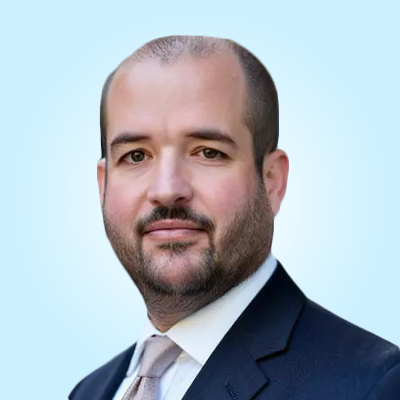

Jennie Woltz
Woltz & Folkinshteyn, P.C.
Jeffrey J. Cunningham
Cohen Cunningham DeRose Higgins Lyon LLP
Benjamin Folkinshteyn
Woltz & Folkinshteyn, P.C.
Full-On Monet
AI in the Workplace, Legal Ethics, and Law Firm Risk Management
Watch Now
Become a Member to Watch This Webinar
* CLE credit is only available to Justia Connect Pro members.
Free Justia Connect Memberships are available to lawyers, other legal professionals, students, and all law enthusiasts.
Log In NowNot a Member? Get Connected for Free
* CLE credit is only available to Justia Connect Pro members.


