


Blockchain and Smart Contracts
The Impact on Your Legal Practice, Startups, and the World (2026 Edition)
CLE

Charles Scrimalli
Bull Blockchain Law, LLP


Blockchain and Smart Contracts: The Impact on Your Legal Practice, Startups, and the World (2026 Edition)
Blockchain technology is new and evolving, and there are many misconceptions in the marketplace caused by its complexities. Traditional legal principles don’t always address this nascent technology. This presentation will discuss this emerging area from the perspective of the legal practitioner, including FinTech, intellectual property, SEC/CFTC/FinCEN issues, and privacy.
Topics covered include:
Agenda:
- Blockchain & Crypto Overview
- Technology
- Cryptocurrency
- Legal & Privacy Issues
- Governmental Agencies (SEC/CFTC/FinCEN)
- Jurisdictional Considerations
- Enforcement Actions
- NFTs & Web3
- Smart Contracts
- Recent Updates (Legislation)
- Questions & Answers
Duration of this webinar:
60 minutes
Originally broadcast:
March 18, 2026 11:00 AM PT
Webinar Highlights
This webinar is divided into section summaries, which you can scan for key points and then dive into the sections that interest you the most.
Charles Scrimalli, the speaker, is introduced as an expert in blockchain and cryptocurrency law, with a focus on advising technology companies. He aims to provide a practical legal perspective on the rapidly evolving field of blockchain and smart contracts. Charles highlights the unique challenges in blockchain law, where technology evolves faster than legal doctrines.
Charles discusses the early regulatory focus on blockchain, which was initially centered around crime rather than capital markets. He explains how early regulatory frameworks were heavily influenced by anti-money laundering and fraud concerns. The SEC and CFTC are highlighted as the primary regulators in the blockchain space, each with distinct focuses. Charles notes the inherent tension in applying outdated legal doctrines to modern blockchain technology.
Charles describes the rise and fall of ICOs, highlighting the regulatory scrutiny they attracted due to promises of profits and lack of disclosures. The DAO Report is discussed as a pivotal moment where the SEC determined that DAO tokens were securities under the Howey Test. Charles discusses the SEC's enforcement actions against projects like Munchee and Telegram, emphasizing the significance of economic reality over legal formality. The Kraken case is mentioned as an example of how services around crypto, not just token sales, can fall under securities law.
Charles discusses the role of state regulations in shaping blockchain regulation, highlighting the differences between states like Pennsylvania and New York. He emphasizes the patchwork nature of state regulations and the pressure it creates for federal harmonization. The CFTC's broad definition of commodities is explained, allowing it to assert jurisdiction over digital assets like Bitcoin and Ethereum. Charles highlights the CFTC's focus on trading and its aggressive approach to asserting jurisdiction over crypto platforms. He discusses the CFTC's approach to DAOs and the importance of AML compliance for crypto platforms.
Charles discusses the rise of NFTs and their legal implications, particularly in terms of intellectual property rights. He explains that owning an NFT does not automatically grant copyright ownership of the underlying work. Charles highlights the importance of understanding the terms of service and smart contracts associated with NFTs. He discusses the role of royalties in NFTs, where creators can earn a percentage of each resale through smart contracts. Charles emphasizes the need for due diligence in understanding IP rights and potential regulatory issues with NFTs.
Recent regulatory actions are mentioned, such as the SEC's charges against Blockchain Credit Partners and state actions against BlockFi. Charles discusses the Genius Act, which established a federal framework for stablecoins, requiring them to be backed by liquid assets. The Clarity Act is described as an attempt to delineate the roles of the SEC and CFTC, providing a clearer regulatory framework for digital assets. Charles highlights the stalled progress of the Clarity Act due to conflicts over stablecoin yield and the influence of the banking sector.
Please note this AI-generated summary provides a general overview of the webinar but may not capture all details, nuances, or the exact words of the speaker. For complete accuracy, please refer to the original webinar recording.
Speaker
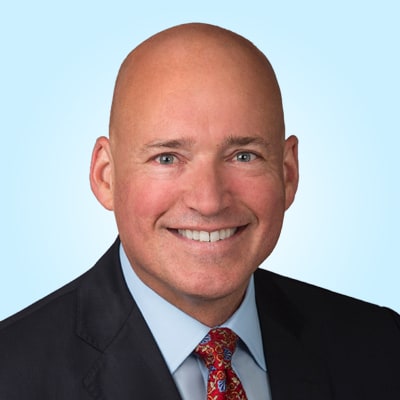
Charles Scrimalli
Attorney
Bull Blockchain Law, LLP
Bull Blockchain Law, LLP
Charles Scrimalli is a graduate of the Thomas R. Kline School of Law at Drexel University.
Charles advises founders and early-stage technology companies on a variety of transactional, regulatory, and litigation matters.
Charles regularly advises clients on issues regarding corporate formation, employee equity, executive agreements, equity compensation, commercial contracts and disputes.
Charles regularly serves as counsel to asset managers, issuers of virtual currency, DAOs, and other entities operating in the cryptocurrency and blockchain industry.


Continuing Legal Education (CLE) Credits
*CLE credit is only available to Justia Connect Pros. Not a Pro? Upgrade today>>
Alaska CLE
Status: Approved
Format: Live (Virtual), On-Demand
Credits: 1.00 General
Earn Credit Until: March 17, 2031
California CLE
Status: Approved
Format: On-Demand
Credits: 1.00 General
Earn Credit Until: June 30, 2028
Hawaii CLE
Status: Approved
Format: Live (Virtual), On-Demand
Credits: 1.00 General
Earn Credit Until: March 17, 2028
Illinois CLE
Status: Approved
Format: On-Demand
Credits: 1.00 General
Earn Credit Until: March 17, 2028
New Jersey CLE
Status: Approved
Format: Live (Virtual), On-Demand
Credits: 1.20 General
Earn Credit Until: March 17, 2027
North Carolina CLE
Status: Approved
Format: On-Demand
Credits: 1.00 General
Earn Credit Until: February 28, 2027
Ohio CLE
Status: Approved
Format: On-Demand
Credits: 1.00 General
Earn Credit Until: December 31, 2026
Pennsylvania CLE
Status: Approved
Format: On-Demand
Credits: 1.00 Substantive Law, Practice, and Procedure
Earn Credit Until: March 17, 2028
Texas CLE
Status: Approved
Format: On-Demand
Credits: 1.00 General
Earn Credit Until: February 28, 2027
Vermont CLE
Status: Approved
Format: Live (Virtual), On-Demand
Credits: 1.00 General
Earn Credit Until: March 18, 2031
West Virginia CLE
Status: Approved
Format: On-Demand
Credits: 1.20 General
Earn Credit Until: December 31, 2029
This presentation is approved for one hour of General CLE credit in Alaska, one hour of General CLE credit in California, one hour of General CLE credit in Hawaii, one hour of General CLE credit in Illinois, one hour of General CLE credit in North Carolina, one hour of General CLE credit in Ohio, one hour of Substantive Law, Practice, and Procedure CLE credit in Pennsylvania, one hour of General CLE credit in Vermont, and one hour of General CLE credit in West Virginia. This program has been approved by the Board on Continuing Legal Education of the Supreme Court of New Jersey for 1.20 hours of total CLE credit. This course has been approved for Minimum Continuing Legal Education credit by the State Bar of Texas Committee on MCLE in the amount of 1.00 credit hours.
Justia only reports attendance in jurisdictions in which a particular Justia CLE Webinar is officially accredited. Lawyers may need to self-submit their certificates for CLE credit in jurisdictions not listed above.
Note that CLE credit, including partial credit, cannot be earned outside of the relevant accreditation period. To earn credit for a course, a lawyer must watch the entire course within the relevant accreditation period. Lawyers who have viewed a presentation multiple times may not be able to claim credit in their jurisdiction more than once. Justia reserves the right, at its discretion, to grant an attendee partial or no credit, in accordance with viewing duration and other methods of verifying course completion.
At this time, Justia only offers CLE courses officially accredited in certain states. Lawyers may generate a generic attendance certificate to self-submit credit in their own jurisdiction, but Justia does not guarantee that lawyers will receive their desired CLE credit through the self-submission or reciprocity process.
Looking for CLE credit?
Visit CLE Dashboard

Watch Related Videos
CLE

Mark Conrad
Fordham University, Gabelli School of Business
Sports Law 2026
Major Changes in the Legal Landscape
Watch Now

Become a Member to Watch This Webinar
* CLE credit is only available to Justia Connect Pro members.
Free Justia Connect Memberships are available to lawyers, other legal professionals, students, and all law enthusiasts.
Log In NowNot a Member? Get Connected for Free
* CLE credit is only available to Justia Connect Pro members.
CLE

Diana-Marie Laventure
Kaufman Borgeest & Ryan LLP
Smart Technology, Real Consequences
AI, Bias, and Employment Law
Watch Now
Become a Member to Watch This Webinar
* CLE credit is only available to Justia Connect Pro members.
Free Justia Connect Memberships are available to lawyers, other legal professionals, students, and all law enthusiasts.
Log In NowNot a Member? Get Connected for Free
* CLE credit is only available to Justia Connect Pro members.
CLE


Heather Marx
Cozen O'Connor
Kristi Zentner
Cozen O'Connor
Smart Contracting
Prioritizing Key Issues in Legal Negotiations
Watch Now
Become a Member to Watch This Webinar
* CLE credit is only available to Justia Connect Pro members.
Free Justia Connect Memberships are available to lawyers, other legal professionals, students, and all law enthusiasts.
Log In NowNot a Member? Get Connected for Free
* CLE credit is only available to Justia Connect Pro members.
CLE


Amy S. Malish
Pugh Accardo
Marina J. Wilson
Pugh Accardo
When Control Creates Risk
Vicarious Liability for Franchisors
Watch Now
Become a Member to Watch This Webinar
* CLE credit is only available to Justia Connect Pro members.
Free Justia Connect Memberships are available to lawyers, other legal professionals, students, and all law enthusiasts.
Log In NowNot a Member? Get Connected for Free
* CLE credit is only available to Justia Connect Pro members.
CLE
James Gatto
Sheppard Mullin
Beyond Copyright Training
10 Interesting AI Issues Being Litigated
Watch Now
Become a Member to Watch This Webinar
* CLE credit is only available to Justia Connect Pro members.
Free Justia Connect Memberships are available to lawyers, other legal professionals, students, and all law enthusiasts.
Log In NowNot a Member? Get Connected for Free
* CLE credit is only available to Justia Connect Pro members.
CLE


Kellie W. Fisher
Drummond Woodsum
Adam R. Prescott
Bernstein Shur Sawyer & Nelson, PA
Subchapter V Plan Confirmation Requirements and Strategies
Watch Now
Become a Member to Watch This Webinar
* CLE credit is only available to Justia Connect Pro members.
Free Justia Connect Memberships are available to lawyers, other legal professionals, students, and all law enthusiasts.
Log In NowNot a Member? Get Connected for Free
* CLE credit is only available to Justia Connect Pro members.
CLE


Michael S. Zullo
Duane Morris LLP
J. Colin Knisely
Duane Morris LLP
The New Frontier of Privacy Litigation
Watch Now
Become a Member to Watch This Webinar
* CLE credit is only available to Justia Connect Pro members.
Free Justia Connect Memberships are available to lawyers, other legal professionals, students, and all law enthusiasts.
Log In NowNot a Member? Get Connected for Free
* CLE credit is only available to Justia Connect Pro members.
CLE


Emil J. Ali
McCabe & Ali, LLP
Michael McCabe
McCabe & Ali, LLP
Subject Matter Conflicts in Patent and Trademark Law
How To Spot and Avoid Issues
Watch Now
Become a Member to Watch This Webinar
* CLE credit is only available to Justia Connect Pro members.
Free Justia Connect Memberships are available to lawyers, other legal professionals, students, and all law enthusiasts.
Log In NowNot a Member? Get Connected for Free
* CLE credit is only available to Justia Connect Pro members.


