


Breaking the Silence
Confronting Stress, Substance Use & Burnout in Law
CLE

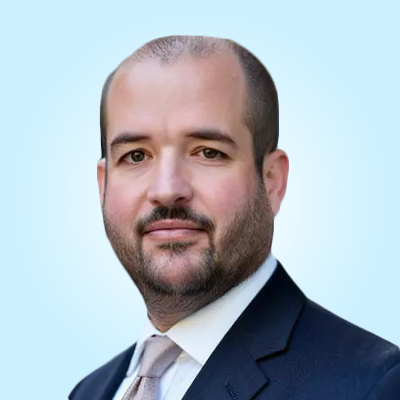
Lenor Marquis-Segal
Attorney


Breaking the Silence: Confronting Stress, Substance Use & Burnout in Law
Lawyers are busy zealously taking care of clients, but who is taking care of them? In the high-pressured, fast-paced world of law, mental health and wellness suffers. Not allowed to show any weakness or vulnerability, lawyers soldier on and put up a good front while issues with stress, anxiety, depression, and burnout fester. The legal profession struggles with how it handles the pervasive issues of substance and alcohol misuse, self-harm, suicidal ideation, and other destructive behaviors, diseases and disorders. Denial and stigma stop lawyers from seeking help. This seminar encourages us to confront these issues directly and remain silent no more.
Topics covered include:
Agenda:
Read More
›
- Introduction & Overview
- Speaker background
- Roadmap for presentation
- Mental Health
- State of the profession
- Stigmas and stereotypes
- Stress
- Stress and eustress
- Anxiety and depression
- Substance Use
- Legal culture
- Alcohol dependency and disordered use
- Drug misuse and addictions
- Burnout
- Occupational stress and exhaustion
- Resources v. demands
- Intersection With Neurodiversity
- Risk variation
- Masking
- Attorney’s Path to Wellness
- Self-care strategies
- External resources
- Questions & Answers (as time permits)
Duration of this webinar:
60 minutes
Originally broadcast:
October 9, 2025 9:00 AM PT
Webinar Highlights
This webinar is divided into section summaries, which you can scan for key points and then dive into the sections that interest you the most.
Lenor Marquis-Segal, the speaker, is introduced as a seasoned attorney with a focus on diversifying and humanizing the legal profession. Lenor plans to discuss stress, substance abuse, and burnout in law, aiming for open conversations on these often overlooked topics. She shares her extensive experience in various legal settings and emphasizes the importance of dialogue in addressing professional challenges.
Lenor highlights the caring nature of the legal profession, which often leads to stress due to constant client concerns and tight deadlines. Lawyers face stigma around mental health, fearing that admitting to struggles could disadvantage their clients or be used against them. The profession's high rates of substance abuse and mental health issues are supported by statistics, showing a need for open discussion. Lenor explains the archetype of lawyers as perfectionists and people pleasers, contributing to stress and mental health challenges.
Substance use is prevalent, with legal events often centered around alcohol, contributing to dependency issues. Lenor discusses why lawyers in particular experience substance use issues. She highlights the ethical consequences of failing to address substance use issues in the legal profession.
Lenor discusses how burnout arises for lawyers. She addresses the intersection of neurodiversity and mental health, noting higher depression rates among neurodiverse individuals. She emphasizes the importance of individualized care for those who are not neurotypical, highlighting the stress of masking.
Self-care strategies are discussed, including sleep, exercise, and engaging in hobbies and social activities. Lenor advocates for exploring health insurance benefits and engaging in activities like yoga and meditation for wellness. External resources like therapy and lawyer assistance programs are recommended for mental health support. Volunteering and mentoring are recommended for their positive impact on mental well-being. Lawyers are encouraged to take breaks, say no to excessive demands, and advocate for their own needs.
Lenor suggests alternatives to alcohol-centered legal events, promoting mocktails and non-alcoholic options. Bar associations and licensing bodies are seen as both part of the problem and solution in addressing mental health stigma. Untreated burnout can affect an attorney's competence, leading to exhaustion, cynicism, and a lack of agency. Firm-wide strategies to reduce attrition include promoting healthier work environments and modeling better behavior from leadership.
Please note this AI-generated summary provides a general overview of the webinar but may not capture all details, nuances, or the exact words of the speaker. For complete accuracy, please refer to the original webinar recording.
Speaker
Lenor Marquis-Segal
Attorney
Lenor Marquis-Segal has been a practicing attorney for 23 years in a variety of settings from Biglaw to boutique. She is currently in-house with Hitachi Energy, where she is litigation counsel. She holds degrees from Cornell (BS) and NYU Law (JD), and is admitted in California, New York, and North Carolina. Lenor is passionate about diversifying and humanizing the profession. She is certified in Adult Mental Health First Aid (USA) by the National Council for Mental Wellbeing.


Continuing Legal Education (CLE) Credits
Lawyers: To receive CLE credit, you must verify your law license for free in the Justia Lawyer Directory to become a Justia Connect Practice member. Depending on the jurisdiction or course, you may be eligible for free CLE credit or may need to upgrade your membership to Justia Connect Pro. Check CLE terms for full details.
California CLE
Status: Approved
Format: On-Demand
Credits: 1.00 Prevention and Detection Competence
Earn Credit Until: June 30, 2028
This presentation is approved for one hour of Prevention and Detection Competence CLE credit in California.
Justia only reports attendance in jurisdictions in which a particular Justia CLE Webinar is officially accredited. Lawyers may need to self-submit their certificates for CLE credit in jurisdictions not listed above.
Note that CLE credit, including partial credit, cannot be earned outside of the relevant accreditation period. To earn credit for a course, a lawyer must watch the entire course within the relevant accreditation period. Lawyers who have viewed a presentation multiple times may not be able to claim credit in their jurisdiction more than once. Justia reserves the right, at its discretion, to grant an attendee partial or no credit, in accordance with viewing duration and other methods of verifying course completion.
At this time, Justia only offers CLE courses officially accredited in certain states. Lawyers may generate a generic attendance certificate to self-submit credit in their own jurisdiction, but Justia does not guarantee that lawyers will receive their desired CLE credit through the self-submission or reciprocity process.
Looking for CLE credit?
Visit CLE Dashboard

Watch Related Videos
CLE

Brian S. Quinn
Lawyers Concerned for Lawyers of Pennsylvania
The Burned Out Lawyer
An Occupational Hazard?
Watch Now

Become a Member to Watch This Webinar
Lawyers: To receive CLE credit, you must verify your law license for free in the Justia Lawyer Directory to become a Justia Connect Practice member. Depending on the jurisdiction or course, you may be eligible for free CLE credit or may need to upgrade your membership to Justia Connect Pro. Check CLE terms for full details.
Free Justia Connect Memberships are available to lawyers, other legal professionals, students, and all law enthusiasts.
Log In NowNot a Member? Get Connected for Free
Lawyers: To receive CLE credit, you must verify your law license for free in the Justia Lawyer Directory to become a Justia Connect Practice member. Depending on the jurisdiction or course, you may be eligible for free CLE credit or may need to upgrade your membership to Justia Connect Pro. Check CLE terms for full details.
CLE

Mike Yagercik
Lawyers Concerned for Lawyers of Pennsylvania
Order in the Court
Tackling Bullying in the Legal Profession
Watch Now
Become a Member to Watch This Webinar
Lawyers: To receive CLE credit, you must verify your law license for free in the Justia Lawyer Directory to become a Justia Connect Practice member. Depending on the jurisdiction or course, you may be eligible for free CLE credit or may need to upgrade your membership to Justia Connect Pro. Check CLE terms for full details.
Free Justia Connect Memberships are available to lawyers, other legal professionals, students, and all law enthusiasts.
Log In NowNot a Member? Get Connected for Free
Lawyers: To receive CLE credit, you must verify your law license for free in the Justia Lawyer Directory to become a Justia Connect Practice member. Depending on the jurisdiction or course, you may be eligible for free CLE credit or may need to upgrade your membership to Justia Connect Pro. Check CLE terms for full details.
CLE

Melissa Silverstein
The Healed Professional
Rethinking Alcohol in Legal Culture
A Leadership Framework
Watch Now
Become a Member to Watch This Webinar
Lawyers: To receive CLE credit, you must verify your law license for free in the Justia Lawyer Directory to become a Justia Connect Practice member. Depending on the jurisdiction or course, you may be eligible for free CLE credit or may need to upgrade your membership to Justia Connect Pro. Check CLE terms for full details.
Free Justia Connect Memberships are available to lawyers, other legal professionals, students, and all law enthusiasts.
Log In NowNot a Member? Get Connected for Free
Lawyers: To receive CLE credit, you must verify your law license for free in the Justia Lawyer Directory to become a Justia Connect Practice member. Depending on the jurisdiction or course, you may be eligible for free CLE credit or may need to upgrade your membership to Justia Connect Pro. Check CLE terms for full details.
CLE

Emily Stedman
Husch Blackwell
Ethics, Well-Being, and the Modern Practice of Law
Watch Now
Become a Member to Watch This Webinar
Lawyers: To receive CLE credit, you must verify your law license for free in the Justia Lawyer Directory to become a Justia Connect Practice member. Depending on the jurisdiction or course, you may be eligible for free CLE credit or may need to upgrade your membership to Justia Connect Pro. Check CLE terms for full details.
Free Justia Connect Memberships are available to lawyers, other legal professionals, students, and all law enthusiasts.
Log In NowNot a Member? Get Connected for Free
Lawyers: To receive CLE credit, you must verify your law license for free in the Justia Lawyer Directory to become a Justia Connect Practice member. Depending on the jurisdiction or course, you may be eligible for free CLE credit or may need to upgrade your membership to Justia Connect Pro. Check CLE terms for full details.
CLE
Brian S. Quinn
Lawyers Concerned for Lawyers of Pennsylvania
What Should I Do?
Ethical Dilemmas and the Duty To Report an Impaired Colleague
Watch Now
Become a Member to Watch This Webinar
Lawyers: To receive CLE credit, you must verify your law license for free in the Justia Lawyer Directory to become a Justia Connect Practice member. Depending on the jurisdiction or course, you may be eligible for free CLE credit or may need to upgrade your membership to Justia Connect Pro. Check CLE terms for full details.
Free Justia Connect Memberships are available to lawyers, other legal professionals, students, and all law enthusiasts.
Log In NowNot a Member? Get Connected for Free
Lawyers: To receive CLE credit, you must verify your law license for free in the Justia Lawyer Directory to become a Justia Connect Practice member. Depending on the jurisdiction or course, you may be eligible for free CLE credit or may need to upgrade your membership to Justia Connect Pro. Check CLE terms for full details.
CLE

Charity Anastasio
The American Immigration Lawyers Association
Conflicts of Interest
Identification, Analysis, and Prevention Systems
Watch Now
Become a Member to Watch This Webinar
Lawyers: To receive CLE credit, you must verify your law license for free in the Justia Lawyer Directory to become a Justia Connect Practice member. Depending on the jurisdiction or course, you may be eligible for free CLE credit or may need to upgrade your membership to Justia Connect Pro. Check CLE terms for full details.
Free Justia Connect Memberships are available to lawyers, other legal professionals, students, and all law enthusiasts.
Log In NowNot a Member? Get Connected for Free
Lawyers: To receive CLE credit, you must verify your law license for free in the Justia Lawyer Directory to become a Justia Connect Practice member. Depending on the jurisdiction or course, you may be eligible for free CLE credit or may need to upgrade your membership to Justia Connect Pro. Check CLE terms for full details.
CLE

Micah Buchdahl
HTMLawyers, Inc.
Marketing, Advertising, and Solicitation Compliance for Law Firms
Watch Now
Become a Member to Watch This Webinar
Lawyers: To receive CLE credit, you must verify your law license for free in the Justia Lawyer Directory to become a Justia Connect Practice member. Depending on the jurisdiction or course, you may be eligible for free CLE credit or may need to upgrade your membership to Justia Connect Pro. Check CLE terms for full details.
Free Justia Connect Memberships are available to lawyers, other legal professionals, students, and all law enthusiasts.
Log In NowNot a Member? Get Connected for Free
Lawyers: To receive CLE credit, you must verify your law license for free in the Justia Lawyer Directory to become a Justia Connect Practice member. Depending on the jurisdiction or course, you may be eligible for free CLE credit or may need to upgrade your membership to Justia Connect Pro. Check CLE terms for full details.
CLE


Amber Bevacqua-Lynott
Buchalter
Troy J. Wood
Reuter Corbett, LLP
Say What?
Ethical Obligations and Avoiding Missteps in Client Communication
Watch Now
Become a Member to Watch This Webinar
Lawyers: To receive CLE credit, you must verify your law license for free in the Justia Lawyer Directory to become a Justia Connect Practice member. Depending on the jurisdiction or course, you may be eligible for free CLE credit or may need to upgrade your membership to Justia Connect Pro. Check CLE terms for full details.
Free Justia Connect Memberships are available to lawyers, other legal professionals, students, and all law enthusiasts.
Log In NowNot a Member? Get Connected for Free
Lawyers: To receive CLE credit, you must verify your law license for free in the Justia Lawyer Directory to become a Justia Connect Practice member. Depending on the jurisdiction or course, you may be eligible for free CLE credit or may need to upgrade your membership to Justia Connect Pro. Check CLE terms for full details.
CLE


Jennie Woltz
Woltz & Folkinshteyn, P.C.
Jeffrey J. Cunningham
Cohen Cunningham DeRose Higgins Lyon LLP
Benjamin Folkinshteyn
Woltz & Folkinshteyn, P.C.
Full-On Monet
AI in the Workplace, Legal Ethics, and Law Firm Risk Management
Watch Now
Become a Member to Watch This Webinar
Lawyers: To receive CLE credit, you must verify your law license for free in the Justia Lawyer Directory to become a Justia Connect Practice member. Depending on the jurisdiction or course, you may be eligible for free CLE credit or may need to upgrade your membership to Justia Connect Pro. Check CLE terms for full details.
Free Justia Connect Memberships are available to lawyers, other legal professionals, students, and all law enthusiasts.
Log In NowNot a Member? Get Connected for Free
Lawyers: To receive CLE credit, you must verify your law license for free in the Justia Lawyer Directory to become a Justia Connect Practice member. Depending on the jurisdiction or course, you may be eligible for free CLE credit or may need to upgrade your membership to Justia Connect Pro. Check CLE terms for full details.
CLE

Daniel J. Siegel
Attorney
IOLTA and Fee Agreements
Avoiding Common Ethical Pitfalls
Watch Now
Become a Member to Watch This Webinar
Lawyers: To receive CLE credit, you must verify your law license for free in the Justia Lawyer Directory to become a Justia Connect Practice member. Depending on the jurisdiction or course, you may be eligible for free CLE credit or may need to upgrade your membership to Justia Connect Pro. Check CLE terms for full details.
Free Justia Connect Memberships are available to lawyers, other legal professionals, students, and all law enthusiasts.
Log In NowNot a Member? Get Connected for Free
Lawyers: To receive CLE credit, you must verify your law license for free in the Justia Lawyer Directory to become a Justia Connect Practice member. Depending on the jurisdiction or course, you may be eligible for free CLE credit or may need to upgrade your membership to Justia Connect Pro. Check CLE terms for full details.


