


From Petition to Practice
A Florida Lawyer’s Guide to Guardianship Proceedings
CLE

Craig Robinson
Robinson & Casey, PLLC


From Petition to Practice: A Florida Lawyer’s Guide to Guardianship Proceedings
This session gives collaborating professionals a clear understanding of how guardianship works in Florida, and when it becomes an essential tool to protect individuals who cannot safely make decisions for themselves. Attendees will learn what guardianship is, the different types that may be used, how the legal process unfolds, and what rights may be affected when a guardian is appointed utilizing Florida statutes and legal expertise. The presentation also covers practical applications for attorneys, special court authorities, and alternatives to guardianship that may be more appropriate in certain situations, and discusses the differences between Guardianship Laws in different states.
Topics covered include:
Agenda:
Read More
›
- Welcome and Introductions
- Brief overview of Robinson and Casey, your roles, and the goals of the session.
- What is Guardianship
- Foundational definition, legal purpose, and when guardianship becomes necessary.
- Types of Guardianship
- Overview of Emergency Temporary, Limited, and Plenary guardianship, including distinctions between guardianship of the person and property.
- Guardianship Process
- Step by step walkthrough of the incapacity petition, examining committee, hearings, and issuance of letters of guardianship.
- Rights and Authorities Affected
- Review of rights that may be removed, special court authorizations, and extraordinary procedures required under Florida Statutes.
- Practical Applications for Professionals
- How clinical, admissions, and behavioral health professionals identify appropriate cases, protect patients, and collaborate effectively during the process.
- Alternatives to Guardianship and Interstate Comparison
- Discussion of less restrictive options including guardian advocacy, trusts, powers of attorney, healthcare surrogates, and living wills and the variances in different states.
- Q&A (As Time Permits)
Duration of this webinar:
60 minutes
Originally broadcast:
January 20, 2026 10:00 AM PT
Webinar Highlights
This webinar is divided into section summaries, which you can scan for key points and then dive into the sections that interest you the most.
Craig Robinson, a partner at Robinson & Casey, PLLC, specializes in helping families with addiction and mental health issues through guardianship proceedings. He outlines the objectives of the presentation, focusing on types of guardianship in Florida and the guardianship process. He explains that guardianship is a legal relationship where a guardian makes decisions for a ward who cannot manage their own affairs. Craig details the rights affected by guardianship and the importance of preserving the dignity of individuals who cannot make decisions independently.
Craig elaborates on emergency temporary guardianship (ETG) in Florida, which is granted when there is imminent danger to a person's health or property. He notes that the process varies by county, with hearings set quickly, often within a few days of filing the petition. Craig describes ETG as a crisis tool and advises clients to consider plenary or limited guardianship if imminent danger cannot be proven.
Craig explains plenary and limited guardianship, noting that plenary guardianship involves full legal authority over a ward's affairs. Limited guardianship grants authority over specific rights, determined by an examining committee's evaluation of the ward's capacity. He discusses the process and timeline for establishing guardianship, including the need for reports and hearings, which can cause delays. He stresses the significance of evidence in guardianship cases and the need for careful consideration of which rights to remove.
Craig outlines the guardianship process, starting with petitions to determine capacity and appoint a guardian, and the role of the examining committee. He emphasizes the court's preference for less restrictive alternatives to guardianship, such as power of attorney or healthcare surrogate designations. Craig describes the importance of evidence in supporting guardianship petitions. He advises families to consider limited guardianship and to focus on the specific rights that need to be removed to protect the ward. Craig notes the emotional and challenging nature of guardianship cases and the importance of providing support to families throughout the process.
Craig discusses interstate guardianship and the variations in guardianship laws across states, including terminology differences like conservatorship and guardianship. He explains the need for interstate recognition of guardianship and the role of the Uniform Adult Guardianship and Protective Proceedings Jurisdiction Act. Craig highlights differences in the standard of proof for incapacity and the promotion of limited guardianship in states like Colorado and Minnesota. He mentions supported decision-making as an alternative to guardianship, adopted by states like Texas, Delaware, and Wisconsin. Craig concludes by emphasizing the importance of proactive planning for declining capacity and the role of voluntary guardianship in states like Massachusetts.
Please note this AI-generated summary provides a general overview of the webinar but may not capture all details, nuances, or the exact words of the speaker. For complete accuracy, please refer to the original webinar recording.
Speaker
Craig Robinson
Owner, Attorney, and Chief Relationship Officer
Robinson & Casey, PLLC
Robinson & Casey, PLLC
Craig Robinson is a partner at Robinson & Casey, PLLC, a law firm devoted to helping families navigate the challenges of addiction and mental health by securing access to life saving treatment for their loved ones. With licensure to practice law in Pennsylvania, New Jersey (since 2008), and Florida (since 2020) — as well as federal admission to the U.S. District Courts for the Eastern District of Pennsylvania, the District of New Jersey, and the Southern District of Florida — Craig brings a wealth of legal experience to every case. Read More ›


Continuing Legal Education (CLE) Credits
Lawyers: To receive CLE credit, you must verify your law license for free in the Justia Lawyer Directory to become a Justia Connect Practice member. Depending on the jurisdiction or course, you may be eligible for free CLE credit or may need to upgrade your membership to Justia Connect Pro. Check CLE terms for full details.
California CLE
Status: Approved
Format: On-Demand
Credits: 1.00 General
Earn Credit Until: June 30, 2028
New Jersey CLE
Status: Approved
Format: Live (Virtual), On-Demand
Credits: 1.20 General
Earn Credit Until: November 20, 2026
This presentation is approved for one hour of General CLE credit in California. This program has been approved by the Board on Continuing Legal Education of the Supreme Court of New Jersey for 1.20 hours of total CLE credit.
Justia only reports attendance in jurisdictions in which a particular Justia CLE Webinar is officially accredited. Lawyers may need to self-submit their certificates for CLE credit in jurisdictions not listed above.
Note that CLE credit, including partial credit, cannot be earned outside of the relevant accreditation period. To earn credit for a course, a lawyer must watch the entire course within the relevant accreditation period. Lawyers who have viewed a presentation multiple times may not be able to claim credit in their jurisdiction more than once. Justia reserves the right, at its discretion, to grant an attendee partial or no credit, in accordance with viewing duration and other methods of verifying course completion.
At this time, Justia only offers CLE courses officially accredited in certain states. Lawyers may generate a generic attendance certificate to self-submit credit in their own jurisdiction, but Justia does not guarantee that lawyers will receive their desired CLE credit through the self-submission or reciprocity process.
Looking for CLE credit?
Visit CLE Dashboard
Watch Related Videos
CLE

Jennifer Sweeton
Sweeton Injury Law, LLC
PTSD 101
Recognizing PTSD & Related Disorders in Legal Clients
Watch Now

Become a Member to Watch This Webinar
Lawyers: To receive CLE credit, you must verify your law license for free in the Justia Lawyer Directory to become a Justia Connect Practice member. Depending on the jurisdiction or course, you may be eligible for free CLE credit or may need to upgrade your membership to Justia Connect Pro. Check CLE terms for full details.
Free Justia Connect Memberships are available to lawyers, other legal professionals, students, and all law enthusiasts.
Log In NowNot a Member? Get Connected for Free
Lawyers: To receive CLE credit, you must verify your law license for free in the Justia Lawyer Directory to become a Justia Connect Practice member. Depending on the jurisdiction or course, you may be eligible for free CLE credit or may need to upgrade your membership to Justia Connect Pro. Check CLE terms for full details.
CLE

Diana-Marie Laventure
Kaufman Borgeest & Ryan LLP
Smart Technology, Real Consequences
AI, Bias, and Employment Law
Watch Now
Become a Member to Watch This Webinar
Lawyers: To receive CLE credit, you must verify your law license for free in the Justia Lawyer Directory to become a Justia Connect Practice member. Depending on the jurisdiction or course, you may be eligible for free CLE credit or may need to upgrade your membership to Justia Connect Pro. Check CLE terms for full details.
Free Justia Connect Memberships are available to lawyers, other legal professionals, students, and all law enthusiasts.
Log In NowNot a Member? Get Connected for Free
Lawyers: To receive CLE credit, you must verify your law license for free in the Justia Lawyer Directory to become a Justia Connect Practice member. Depending on the jurisdiction or course, you may be eligible for free CLE credit or may need to upgrade your membership to Justia Connect Pro. Check CLE terms for full details.
CLE
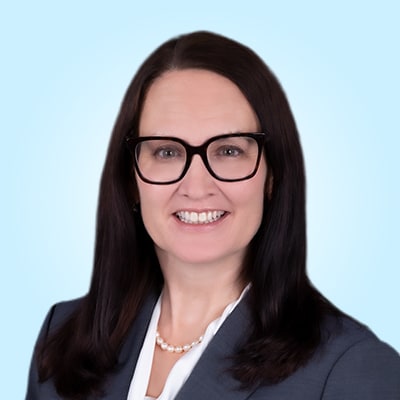
Tereina Stidd
Duane Morris LLP
Trust Administration Unleashed
Advanced Issues, Fiduciary Duties, and Practical Pitfalls
Watch Now
Become a Member to Watch This Webinar
Lawyers: To receive CLE credit, you must verify your law license for free in the Justia Lawyer Directory to become a Justia Connect Practice member. Depending on the jurisdiction or course, you may be eligible for free CLE credit or may need to upgrade your membership to Justia Connect Pro. Check CLE terms for full details.
Free Justia Connect Memberships are available to lawyers, other legal professionals, students, and all law enthusiasts.
Log In NowNot a Member? Get Connected for Free
Lawyers: To receive CLE credit, you must verify your law license for free in the Justia Lawyer Directory to become a Justia Connect Practice member. Depending on the jurisdiction or course, you may be eligible for free CLE credit or may need to upgrade your membership to Justia Connect Pro. Check CLE terms for full details.
CLE
Tereina Stidd
Duane Morris LLP
Probate – When It Goes Sideways
Advanced Administration, Litigation Triggers, and Risk Management
Watch Now
Become a Member to Watch This Webinar
Lawyers: To receive CLE credit, you must verify your law license for free in the Justia Lawyer Directory to become a Justia Connect Practice member. Depending on the jurisdiction or course, you may be eligible for free CLE credit or may need to upgrade your membership to Justia Connect Pro. Check CLE terms for full details.
Free Justia Connect Memberships are available to lawyers, other legal professionals, students, and all law enthusiasts.
Log In NowNot a Member? Get Connected for Free
Lawyers: To receive CLE credit, you must verify your law license for free in the Justia Lawyer Directory to become a Justia Connect Practice member. Depending on the jurisdiction or course, you may be eligible for free CLE credit or may need to upgrade your membership to Justia Connect Pro. Check CLE terms for full details.


