


Introduction to California’s Court-Appointed Felony Appeals System
CLE
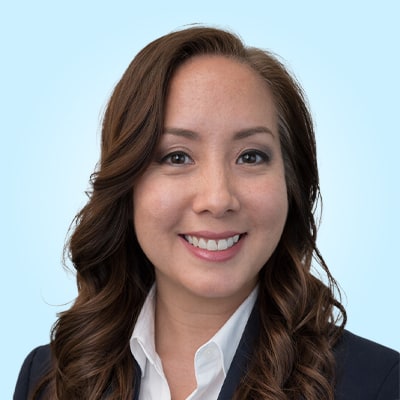
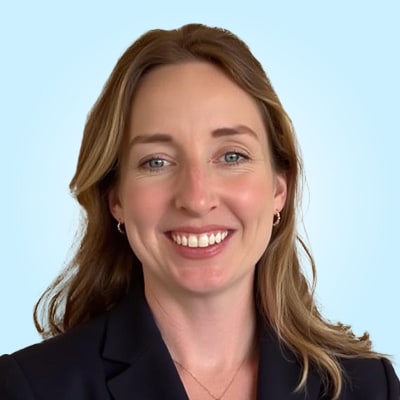
Monique Boldin
Central California Appellate Program
Devon Stein
Central California Appellate Program


Introduction to California’s Court-Appointed Felony Appeals System
This program provides an overview of California’s court-appointed felony appeals system for attorneys interested in developing a court-appointed criminal appellate practice. The presentation covers the structure of the appointed appellate system, the role of appellate projects, the lifecycle of a criminal appeal, and the responsibilities of panel attorneys. Attendees will also learn about available training and resources and the process for applying for appellate appointments.
Topics covered include:
Agenda:
Read More
›
- Introductory Overview
- Purpose of the presentation is to explain:
- What happens after a felony conviction in California
- Why the court-appointed appellate system exists
- The life cycle of a court-appointed appeal
- The role of non-profit appellate projects like Central California Appellate Program in the court appointed felony system
- How attorneys can become eligible for appellate appointments
- Scope and Structure of California’s Appointed Appellate System
- Constitutional underpinnings of the appellate system
- Types and number of appointed appeals statewide
- Why appellate review is critical to the justice system
- The five appellate projects and their geographic coverage
- Role of panel attorneys as independent contractors
- How cases are classified and assigned
- The Role of the Appellate Projects
- Brief summary of the role of the five appellate projects (Central California Appellate Program (CCAP), Appellate Defenders Inc. (ADI), California Appellate Project-Los Angeles (CAP-LA), First District Appellate Project (FDAP), and Sixth District Appellate Project (SDAP), which includes:
- Case screening and assignment
- Panel attorney selection and oversight
- Training, resources, and ongoing support
- Lifecycle of a Criminal Appeal
- Notice of appeal and appointment
- Client communication obligations
- Record completion and augmentation
- Issue spotting
- Briefing (Appellant’s Opening Brief, Respondent’s Brief, and Appellant’s Reply Brief)
- Oral argument and opinion
- Post-opinion options and case closure
- Are Court Appointed Appeals Right for You?
- Overview of the panel attorney role
- Key benefits of court-appointed appellate practice
- Explanation of how to apply to the appellate panel
Duration of this webinar:
60 minutes
Originally broadcast:
March 23, 2026 12:00 PM PT
Webinar Highlights
This webinar is divided into section summaries, which you can scan for key points and then dive into the sections that interest you the most.
The speakers explain the mentorship structure provided by the Central California Appellate Program to help attorneys excel in criminal appellate advocacy. The distinction between public defenders and appointed appellate attorneys is highlighted, with the latter being funded by the state and administered by nonprofit organizations. The types of cases requiring court-appointed counsel include criminal and juvenile dependency cases, with a focus on criminal cases in this presentation. Appellate review is critical for protecting constitutional rights, ensuring uniform interpretation of the law, and correcting trial-level errors.
The appellate projects, including CCAP, are nonprofit organizations that administer the appointed counsel system for their respective districts. Each project maintains a list of panel attorneys and provides training, resources, and case assistance. Panel attorneys can join multiple panels regardless of their geographical location, provided they have an active California bar license. CCAP reviews cases, classifies them by complexity, and matches them with panel attorneys based on skill level and availability. The projects provide training, resources, and direct assistance to panel attorneys, ensuring high-quality representation. Compensation claims for panel attorneys are processed efficiently, with payment typically received within 15 to 30 days.
The life cycle of a criminal appeal begins with the notice of appeal and involves several stages, including client communication and record completion. Client communication is primarily conducted via letter due to the monitored nature of prison phone calls. Record completion involves ensuring all necessary documents are included and filing motions if items are missing. Issue spotting involves identifying trial errors that could lead to a new trial or sentence modification. Common appeal issues include inadmissible evidence, unlawful search and seizure, erroneous jury instructions, and improper sentencing. Direct appeals focus on issues within the trial record, while habeas issues require new evidence and are less common.
Court-appointed appeals offer flexibility, allowing attorneys to work from anywhere and balance other commitments. Attorneys advocate for individuals without a voice, contributing to the development of California law and ensuring fairness in the justice system. The panel provides extensive training and resources to support attorneys in building a successful appellate practice. Compensation is timely, and malpractice insurance is provided, making it an attractive opportunity for lawyers.
Please note this AI-generated summary provides a general overview of the webinar but may not capture all details, nuances, or the exact words of the speaker. For complete accuracy, please refer to the original webinar recording.
Speakers
Monique Boldin
Executive Director
Central California Appellate Program
Central California Appellate Program
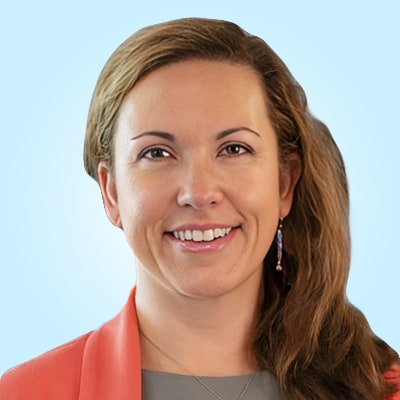
Monique Boldin is the executive director of Central California Appellate Program (CCAP). She started her career in public service as a public defender while also accepting court-appointed felony appeals as a private panel attorney on CCAP’s panel. After several years working simultaneously as a trial and appellate attorney, Monique joined CCAP’s staff in 2017. Since becoming CCAP’s fifth executive director in 2025, she now leads a staff of 35 employees and supports 250 panel attorneys. She was appointed by California Chief Justice Patricia Guerrero to serve on the Appellate Indigent Defense Oversight Advisory Committee (AIDOAC), which provides statewide policy recommendations related to the Court Appointed Counsel program of the Judicial Council. Monique is a proud graduate of UCLA and UC Davis School of Law. Read More ›


Devon Stein
Supervising Attorney
Central California Appellate Program
Central California Appellate Program
Devon is a supervising attorney at the Central California Appellate Program (CCAP) where she has worked since 2021. She received her undergraduate degree in Political Economy from UC Berkeley in 2014 and her J.D. from UC Davis School of Law in 2020. During law school, Devon interned at the Third District Court of Appeal and the Office of the State Public Defender.
Continuing Legal Education (CLE) Credits
*CLE credit is only available to Justia Connect Pros. Not a Pro? Upgrade today>>
California CLE
Status: Approved
Format: On-Demand
Credits: 1.00 General
Earn Credit Until: June 30, 2028
This presentation is approved for one hour of General CLE credit in California.
Justia only reports attendance in jurisdictions in which a particular Justia CLE Webinar is officially accredited. Lawyers may need to self-submit their certificates for CLE credit in jurisdictions not listed above.
Note that CLE credit, including partial credit, cannot be earned outside of the relevant accreditation period. To earn credit for a course, a lawyer must watch the entire course within the relevant accreditation period. Lawyers who have viewed a presentation multiple times may not be able to claim credit in their jurisdiction more than once. Justia reserves the right, at its discretion, to grant an attendee partial or no credit, in accordance with viewing duration and other methods of verifying course completion.
At this time, Justia only offers CLE courses officially accredited in certain states. Lawyers may generate a generic attendance certificate to self-submit credit in their own jurisdiction, but Justia does not guarantee that lawyers will receive their desired CLE credit through the self-submission or reciprocity process.
Looking for CLE credit?
Visit CLE Dashboard

Watch Related Videos
CLE

Jennifer Sweeton
Sweeton Injury Law, LLC
PTSD 101
Recognizing PTSD & Related Disorders in Legal Clients
Watch Now

Become a Member to Watch This Webinar
* CLE credit is only available to Justia Connect Pro members.
Free Justia Connect Memberships are available to lawyers, other legal professionals, students, and all law enthusiasts.
Log In NowNot a Member? Get Connected for Free
* CLE credit is only available to Justia Connect Pro members.
CLE

Michael DeBlis
DeBlis Law
Beyond a Shadow of a Doubt
Harnessing Psychology to Win at Trial
Watch Now
Become a Member to Watch This Webinar
* CLE credit is only available to Justia Connect Pro members.
Free Justia Connect Memberships are available to lawyers, other legal professionals, students, and all law enthusiasts.
Log In NowNot a Member? Get Connected for Free
* CLE credit is only available to Justia Connect Pro members.
CLE


Bridget McCormack
American Arbitration Association
Jennifer Leonard
Creative Lawyers
Reimagining Legal Work
How Artificial Intelligence Is Shaping Modern Law
Watch Now
Become a Member to Watch This Webinar
* CLE credit is only available to Justia Connect Pro members.
Free Justia Connect Memberships are available to lawyers, other legal professionals, students, and all law enthusiasts.
Log In NowNot a Member? Get Connected for Free
* CLE credit is only available to Justia Connect Pro members.
CLE
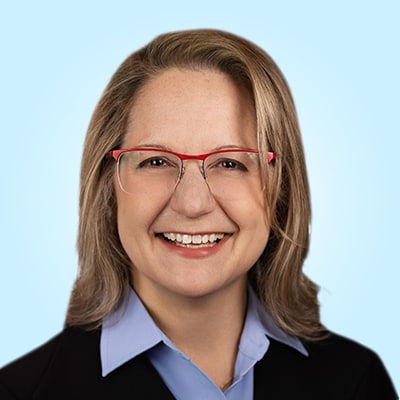
Nance Schick
Third Ear Conflict Resolution
Partnership, Not Replacement
Leveraging Human Capacity in the Era of Algorithmic Workplace Management
Watch Now
Become a Member to Watch This Webinar
* CLE credit is only available to Justia Connect Pro members.
Free Justia Connect Memberships are available to lawyers, other legal professionals, students, and all law enthusiasts.
Log In NowNot a Member? Get Connected for Free
* CLE credit is only available to Justia Connect Pro members.
CLE

Dan Gibson
Davis Hartman Wright
AI-Powered Lawyering
Tools To Save Time and Improve Output
Watch Now
Become a Member to Watch This Webinar
* CLE credit is only available to Justia Connect Pro members.
Free Justia Connect Memberships are available to lawyers, other legal professionals, students, and all law enthusiasts.
Log In NowNot a Member? Get Connected for Free
* CLE credit is only available to Justia Connect Pro members.
CLE


Ashley Hallene
Demeter Land Development
Jeffrey Allen
Graves & Allen
How Law Firms Can Prevent, Spot, Navigate, and Survive Scams and Cybercrimes
Watch Now
Become a Member to Watch This Webinar
* CLE credit is only available to Justia Connect Pro members.
Free Justia Connect Memberships are available to lawyers, other legal professionals, students, and all law enthusiasts.
Log In NowNot a Member? Get Connected for Free
* CLE credit is only available to Justia Connect Pro members.
CLE
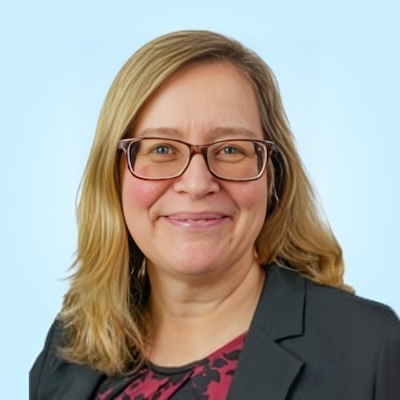
Charity Anastasio
The American Immigration Lawyers Association
Conflicts of Interest
Identification, Analysis, and Prevention Systems
Watch Now
Become a Member to Watch This Webinar
* CLE credit is only available to Justia Connect Pro members.
Free Justia Connect Memberships are available to lawyers, other legal professionals, students, and all law enthusiasts.
Log In NowNot a Member? Get Connected for Free
* CLE credit is only available to Justia Connect Pro members.
CLE

Anna Russell
Cornell Law School
Craig Newton
The Legal Information Institute at Cornell Law School
Building Solutions to Legal Information Challenges
Watch Now
Become a Member to Watch This Webinar
* CLE credit is only available to Justia Connect Pro members.
Free Justia Connect Memberships are available to lawyers, other legal professionals, students, and all law enthusiasts.
Log In NowNot a Member? Get Connected for Free
* CLE credit is only available to Justia Connect Pro members.
CLE

Micah Buchdahl
HTMLawyers, Inc.
Marketing, Advertising, and Solicitation Compliance for Law Firms
Watch Now
Become a Member to Watch This Webinar
* CLE credit is only available to Justia Connect Pro members.
Free Justia Connect Memberships are available to lawyers, other legal professionals, students, and all law enthusiasts.
Log In NowNot a Member? Get Connected for Free
* CLE credit is only available to Justia Connect Pro members.
CLE
Nance Schick
Third Ear Conflict Resolution
Leading Through the "Sandwich" Crisis
A Conflict Triage for 2026
Watch Now
Become a Member to Watch This Webinar
* CLE credit is only available to Justia Connect Pro members.
Free Justia Connect Memberships are available to lawyers, other legal professionals, students, and all law enthusiasts.
Log In NowNot a Member? Get Connected for Free
* CLE credit is only available to Justia Connect Pro members.


