


IOLTA and Fee Agreements
Avoiding Common Ethical Pitfalls
CLE

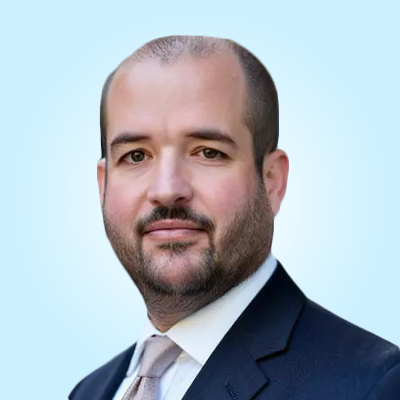
Daniel J. Siegel
Attorney


IOLTA and Fee Agreements: Avoiding Common Ethical Pitfalls
This program addresses the most common ethical pitfalls attorneys face when managing IOLTA accounts and drafting fee agreements. It will walk through the Model Rules of Professional Conduct that govern trust account handling, explore the distinctions between qualified and non-qualified funds, and examine real-world examples of fee agreement failures. By the end of this session, you will have practical guidance for maintaining compliant IOLTA practices and creating clear, enforceable fee agreements.
Topics covered include:
Agenda:
Read More
›
- Overview of Topic and Goals
- Learning objectives and an overview of session
- IOLTA Fundamentals & Rule 1.15
- What IOLTA is
- Why it matters
- Model Rules of Professional Conduct governing trust accounts
- Fund Types & Account Management
- Qualified vs. non-qualified funds
- Comingling prohibitions
- Overdraft notification requirements
- Fee Agreement Essentials
- Rules 1.5, 1.4, and 7.1
- When and why written fee agreements are required
- Common pitfalls to avoid
- Best Practices & Special Fee Scenarios
- Handling flat fees and earned-upon-receipt fees
- Disengagement letters
- What to do when things go wrong
- Q&A (As Time Permits)
Duration of this webinar:
60 minutes
Originally broadcast:
June 16, 2026 10:00 AM PT
Webinar Highlights
This webinar is divided into section summaries, which you can scan for key points and then dive into the sections that interest you the most.
Daniel J. Siegel, the speaker, begins by discussing the importance of handling IOLTA accounts correctly to avoid disciplinary issues. He emphasizes that while IOLTA rules vary by state, they generally follow the ABA's model rules. Daniel notes that common mistakes include not balancing accounts monthly and inadvertently commingling funds. He also stresses the importance of having well-written fee agreements to prevent legal issues.
IOLTA accounts are interest-bearing accounts used to hold pooled client funds that are nominal or held for a short time. The interest supports legal aid programs. Lawyers must maintain separate accounts for business and IOLTA funds. IOLTA rules require lawyers to hold client property separately and notify clients promptly of received funds. Lawyers must provide a full accounting of IOLTA funds and resolve disputes before distributing them. Complete records of IOLTA activities must be kept for a specified period, usually five years. Lawyers must understand state-specific IOLTA rules to ensure compliance.
Lawyers must handle client funds with care, keeping them separate from personal funds. Disputed funds must remain in trust accounts until resolved. Lawyers should follow fiduciary obligations to avoid impropriety. Qualified funds must be deposited into IOLTA accounts, such as retainers and real estate settlements. Lawyers must avoid commingling funds, except for covering service charges. Fees can only be withdrawn once earned.
Disciplinary counsel reviews fee agreements for compliance. Flat and non-refundable fees are areas of concern. Attorneys should set out the fee terms in writing. Contingency fees must always be in writing. Lawyers must consider factors like time, labor, and skill when determining reasonable fees.
Written fee agreements are essential for clarity and compliance, even in pro bono and limited scope representations. Written agreements prevent misunderstandings and protect against malpractice claims. They serve as evidence in disputes and ensure adherence to professional conduct rules.
Please note this AI-generated summary provides a general overview of the webinar but may not capture all details, nuances, or the exact words of the speaker. For complete accuracy, please refer to the original webinar recording.
Speaker
Daniel J. Siegel
Attorney
Attorney Daniel J. Siegel is a nationally recognized authority on legal ethics, technology, data protection, cybersecurity, civil litigation, workers’ compensation, and law-practice workflow management. He is the principal of both the Law Offices of Daniel J. Siegel, LLC and Integrated Technology Services, LLC, where he addresses the complex legal, ethical, and operational issues that frequently challenge lawyers and law firms. Read More ›


Continuing Legal Education (CLE) Credits
Lawyers: To receive CLE credit, you must verify your law license for free in the Justia Lawyer Directory to become a Justia Connect Practice member. Depending on the jurisdiction or course, you may be eligible for free CLE credit or may need to upgrade your membership to Justia Connect Pro. Check CLE terms for full details.
Alabama CLE
Status: Approved
Format: On-Demand
Credits: 1.00 Ethics
Earn Credit Until: December 31, 2026
Alaska CLE
Status: Approved
Format: Live (Virtual), On-Demand
Credits: 1.00 Ethics
Earn Credit Until: June 15, 2031
California CLE
Status: Approved
Format: On-Demand
Credits: 1.00 Legal Ethics
Earn Credit Until: June 30, 2028
Delaware CLE
Status: Approved
Format: Live (Virtual), On-Demand
Credits: 1.00 Enhanced Ethics
Earn Credit Until: December 31, 2026
Hawaii CLE
Status: Approved
Format: Live (Virtual), On-Demand
Credits: 1.00 Ethics
Earn Credit Until: June 15, 2028
Illinois CLE
Status: Approved
Format: On-Demand
Credits: 1.00 Professional Responsibility - Ethics / Civility / Professionalism / Sexual Harassment Prevention
Earn Credit Until: June 15, 2028
Nebraska CLE
Status: Approved
Format: On-Demand
Credits: 1.00 Professional Responsibility
Earn Credit Until: June 16, 2028
New Jersey CLE
Status: Approved
Format: Live (Virtual), On-Demand
Credits: 1.20 Ethics/Professionalism
Earn Credit Until: June 15, 2027
North Carolina CLE
Status: Approved
Format: On-Demand
Credits: 1.00 Ethics
Earn Credit Until: February 28, 2027
Ohio CLE
Status: Approved
Format: On-Demand
Credits: 1.00 Attorney Professional Conduct
Earn Credit Until: December 31, 2026
Pennsylvania CLE
Status: Approved
Format: On-Demand
Credits: 1.00 Ethics, Professionalism, or Substance Abuse
Earn Credit Until: June 15, 2028
South Carolina CLE
Status: Approved
Format: Live (Virtual), On-Demand
Credits: 1.00 Legal Ethics/Professional Responsibility
Difficulty: All Levels
Earn Credit Until: December 31, 2026
Texas CLE
Status: Approved
Format: On-Demand
Credits: 1.00 Legal Ethics/Professional Responsibility
Earn Credit Until: May 31, 2027
Utah CLE
Status: Approved
Format: On-Demand
Credits: 1.00 Ethics
Earn Credit Until: December 31, 2026
Vermont CLE
Status: Approved
Format: Live (Virtual), On-Demand
Credits: 1.00 Ethics
Earn Credit Until: June 16, 2031
West Virginia CLE
Status: Approved
Format: On-Demand
Credits: 1.20 Legal Ethics, etc.
Earn Credit Until: December 31, 2029
This presentation is approved for one hour of Ethics CLE credit in Alabama, one hour of Ethics CLE credit in Alaska, one hour of Legal Ethics CLE credit in California, one hour of Enhanced Ethics CLE credit in Delaware, one hour of Ethics CLE credit in Hawaii, one hour of Professional Responsibility - Ethics / Civility / Professionalism / Sexual Harassment Prevention CLE credit in Illinois, one hour of Professional Responsibility CLE credit in Nebraska, one hour of Ethics CLE credit in North Carolina, one hour of Attorney Professional Conduct CLE credit in Ohio, one hour of Ethics, Professionalism, or Substance Abuse CLE credit in Pennsylvania, one hour of Legal Ethics/Professional Responsibility CLE credit in South Carolina (all levels), one hour of Ethics CLE credit in Utah, one hour of Ethics CLE credit in Vermont, and one hour of Legal Ethics, etc. CLE credit in West Virginia. This program has been approved by the Board on Continuing Legal Education of the Supreme Court of New Jersey for 1.20 hours of total CLE credit. Of these, 1.20 qualify as total hours of credit for Ethics/Professionalism. This course has been approved for Minimum Continuing Legal Education credit by the State Bar of Texas Committee on MCLE in the amount of 1.00 credit hours, of which 1.00 credit hours will apply to Legal Ethics/Professional Responsibility credit.
Justia only reports attendance in jurisdictions in which a particular Justia CLE Webinar is officially accredited. Lawyers may need to self-submit their certificates for CLE credit in jurisdictions not listed above.
Note that CLE credit, including partial credit, cannot be earned outside of the relevant accreditation period. To earn credit for a course, a lawyer must watch the entire course within the relevant accreditation period. Lawyers who have viewed a presentation multiple times may not be able to claim credit in their jurisdiction more than once. Justia reserves the right, at its discretion, to grant an attendee partial or no credit, in accordance with viewing duration and other methods of verifying course completion.
At this time, Justia only offers CLE courses officially accredited in certain states. Lawyers may generate a generic attendance certificate to self-submit credit in their own jurisdiction, but Justia does not guarantee that lawyers will receive their desired CLE credit through the self-submission or reciprocity process.
Looking for CLE credit?
Visit CLE Dashboard
Watch Related Videos
CLE

Nance Schick
Third Ear Conflict Resolution
Partnership, Not Replacement
Leveraging Human Capacity in the Era of Algorithmic Workplace Management
Watch Now

Become a Member to Watch This Webinar
Lawyers: To receive CLE credit, you must verify your law license for free in the Justia Lawyer Directory to become a Justia Connect Practice member. Depending on the jurisdiction or course, you may be eligible for free CLE credit or may need to upgrade your membership to Justia Connect Pro. Check CLE terms for full details.
Free Justia Connect Memberships are available to lawyers, other legal professionals, students, and all law enthusiasts.
Log In NowNot a Member? Get Connected for Free
Lawyers: To receive CLE credit, you must verify your law license for free in the Justia Lawyer Directory to become a Justia Connect Practice member. Depending on the jurisdiction or course, you may be eligible for free CLE credit or may need to upgrade your membership to Justia Connect Pro. Check CLE terms for full details.
CLE


Ashley Hallene
Demeter Land Development
Jeffrey Allen
Graves & Allen
How Law Firms Can Prevent, Spot, Navigate, and Survive Scams and Cybercrimes
Watch Now
Become a Member to Watch This Webinar
Lawyers: To receive CLE credit, you must verify your law license for free in the Justia Lawyer Directory to become a Justia Connect Practice member. Depending on the jurisdiction or course, you may be eligible for free CLE credit or may need to upgrade your membership to Justia Connect Pro. Check CLE terms for full details.
Free Justia Connect Memberships are available to lawyers, other legal professionals, students, and all law enthusiasts.
Log In NowNot a Member? Get Connected for Free
Lawyers: To receive CLE credit, you must verify your law license for free in the Justia Lawyer Directory to become a Justia Connect Practice member. Depending on the jurisdiction or course, you may be eligible for free CLE credit or may need to upgrade your membership to Justia Connect Pro. Check CLE terms for full details.
CLE

Charity Anastasio
The American Immigration Lawyers Association
Conflicts of Interest
Identification, Analysis, and Prevention Systems
Watch Now
Become a Member to Watch This Webinar
Lawyers: To receive CLE credit, you must verify your law license for free in the Justia Lawyer Directory to become a Justia Connect Practice member. Depending on the jurisdiction or course, you may be eligible for free CLE credit or may need to upgrade your membership to Justia Connect Pro. Check CLE terms for full details.
Free Justia Connect Memberships are available to lawyers, other legal professionals, students, and all law enthusiasts.
Log In NowNot a Member? Get Connected for Free
Lawyers: To receive CLE credit, you must verify your law license for free in the Justia Lawyer Directory to become a Justia Connect Practice member. Depending on the jurisdiction or course, you may be eligible for free CLE credit or may need to upgrade your membership to Justia Connect Pro. Check CLE terms for full details.
CLE

Micah Buchdahl
HTMLawyers, Inc.
Marketing, Advertising, and Solicitation Compliance for Law Firms
Watch Now
Become a Member to Watch This Webinar
Lawyers: To receive CLE credit, you must verify your law license for free in the Justia Lawyer Directory to become a Justia Connect Practice member. Depending on the jurisdiction or course, you may be eligible for free CLE credit or may need to upgrade your membership to Justia Connect Pro. Check CLE terms for full details.
Free Justia Connect Memberships are available to lawyers, other legal professionals, students, and all law enthusiasts.
Log In NowNot a Member? Get Connected for Free
Lawyers: To receive CLE credit, you must verify your law license for free in the Justia Lawyer Directory to become a Justia Connect Practice member. Depending on the jurisdiction or course, you may be eligible for free CLE credit or may need to upgrade your membership to Justia Connect Pro. Check CLE terms for full details.
CLE

Jennifer Sweeton
Sweeton Injury Law, LLC
PTSD 101
Recognizing PTSD & Related Disorders in Legal Clients
Watch Now
Become a Member to Watch This Webinar
Lawyers: To receive CLE credit, you must verify your law license for free in the Justia Lawyer Directory to become a Justia Connect Practice member. Depending on the jurisdiction or course, you may be eligible for free CLE credit or may need to upgrade your membership to Justia Connect Pro. Check CLE terms for full details.
Free Justia Connect Memberships are available to lawyers, other legal professionals, students, and all law enthusiasts.
Log In NowNot a Member? Get Connected for Free
Lawyers: To receive CLE credit, you must verify your law license for free in the Justia Lawyer Directory to become a Justia Connect Practice member. Depending on the jurisdiction or course, you may be eligible for free CLE credit or may need to upgrade your membership to Justia Connect Pro. Check CLE terms for full details.
CLE
Nance Schick
Third Ear Conflict Resolution
Leading Through the "Sandwich" Crisis
A Conflict Triage for 2026
Watch Now
Become a Member to Watch This Webinar
Lawyers: To receive CLE credit, you must verify your law license for free in the Justia Lawyer Directory to become a Justia Connect Practice member. Depending on the jurisdiction or course, you may be eligible for free CLE credit or may need to upgrade your membership to Justia Connect Pro. Check CLE terms for full details.
Free Justia Connect Memberships are available to lawyers, other legal professionals, students, and all law enthusiasts.
Log In NowNot a Member? Get Connected for Free
Lawyers: To receive CLE credit, you must verify your law license for free in the Justia Lawyer Directory to become a Justia Connect Practice member. Depending on the jurisdiction or course, you may be eligible for free CLE credit or may need to upgrade your membership to Justia Connect Pro. Check CLE terms for full details.
CLE


Amber Bevacqua-Lynott
Buchalter
Troy J. Wood
Reuter Corbett, LLP
Say What?
Ethical Obligations and Avoiding Missteps in Client Communication
Watch Now
Become a Member to Watch This Webinar
Lawyers: To receive CLE credit, you must verify your law license for free in the Justia Lawyer Directory to become a Justia Connect Practice member. Depending on the jurisdiction or course, you may be eligible for free CLE credit or may need to upgrade your membership to Justia Connect Pro. Check CLE terms for full details.
Free Justia Connect Memberships are available to lawyers, other legal professionals, students, and all law enthusiasts.
Log In NowNot a Member? Get Connected for Free
Lawyers: To receive CLE credit, you must verify your law license for free in the Justia Lawyer Directory to become a Justia Connect Practice member. Depending on the jurisdiction or course, you may be eligible for free CLE credit or may need to upgrade your membership to Justia Connect Pro. Check CLE terms for full details.
CLE


Jennie Woltz
Woltz & Folkinshteyn, P.C.
Jeffrey J. Cunningham
Cohen Cunningham DeRose Higgins Lyon LLP
Benjamin Folkinshteyn
Woltz & Folkinshteyn, P.C.
Full-On Monet
AI in the Workplace, Legal Ethics, and Law Firm Risk Management
Watch Now
Become a Member to Watch This Webinar
Lawyers: To receive CLE credit, you must verify your law license for free in the Justia Lawyer Directory to become a Justia Connect Practice member. Depending on the jurisdiction or course, you may be eligible for free CLE credit or may need to upgrade your membership to Justia Connect Pro. Check CLE terms for full details.
Free Justia Connect Memberships are available to lawyers, other legal professionals, students, and all law enthusiasts.
Log In NowNot a Member? Get Connected for Free
Lawyers: To receive CLE credit, you must verify your law license for free in the Justia Lawyer Directory to become a Justia Connect Practice member. Depending on the jurisdiction or course, you may be eligible for free CLE credit or may need to upgrade your membership to Justia Connect Pro. Check CLE terms for full details.
CLE


Ian Comisky
Fox Rothschild LLP
Bryan Skarlatos
Kostelanetz LLP
Attorney Client Privilege Update
Identity, Crime Fraud and the Attorney As Whistleblower
Watch Now
Become a Member to Watch This Webinar
Lawyers: To receive CLE credit, you must verify your law license for free in the Justia Lawyer Directory to become a Justia Connect Practice member. Depending on the jurisdiction or course, you may be eligible for free CLE credit or may need to upgrade your membership to Justia Connect Pro. Check CLE terms for full details.
Free Justia Connect Memberships are available to lawyers, other legal professionals, students, and all law enthusiasts.
Log In NowNot a Member? Get Connected for Free
Lawyers: To receive CLE credit, you must verify your law license for free in the Justia Lawyer Directory to become a Justia Connect Practice member. Depending on the jurisdiction or course, you may be eligible for free CLE credit or may need to upgrade your membership to Justia Connect Pro. Check CLE terms for full details.
CLE
Ashley Hallene
Demeter Land Development
Jeffrey Allen
Graves & Allen
Cybersecurity 101 for Lawyers
Ethical and Practical Considerations
Watch Now
Become a Member to Watch This Webinar
Lawyers: To receive CLE credit, you must verify your law license for free in the Justia Lawyer Directory to become a Justia Connect Practice member. Depending on the jurisdiction or course, you may be eligible for free CLE credit or may need to upgrade your membership to Justia Connect Pro. Check CLE terms for full details.
Free Justia Connect Memberships are available to lawyers, other legal professionals, students, and all law enthusiasts.
Log In NowNot a Member? Get Connected for Free
Lawyers: To receive CLE credit, you must verify your law license for free in the Justia Lawyer Directory to become a Justia Connect Practice member. Depending on the jurisdiction or course, you may be eligible for free CLE credit or may need to upgrade your membership to Justia Connect Pro. Check CLE terms for full details.


