


Key Rulings From the 2025–2026 Supreme Court Term
Breaking Down the Bench
CLE
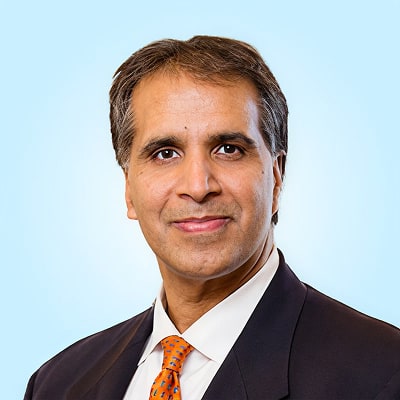

Vikram Amar
UC Davis School of Law
Michael Dorf
Cornell Law School


Key Rulings From the 2025–2026 Supreme Court Term: Breaking Down the Bench
Join us for another lively Supreme Court Term discussion as Professors Vikram Amar and Michael Dorf return to examine the most significant decisions from the Court's latest Term and the issues the Court left unresolved. Topics may include: executive tariff authority (Learning Resources, Inc. v. Trump), constitutionality of restrictions on presidential removal power (Trump v. Slaughter; Trump v. Cook; Trump v. Barbara), redistricting and voting rights (Louisiana v. Callais; Watson v. RNC), equal protection rights of transgender female athletes (Little v. Hecox; West Virginia v. BPJ), immigration enforcement and DHS authority (Noem v. Vasquez Perdomo), reproductive rights and medication abortion (Danco Laboratories v. Louisiana), Second Amendment challenges (Wolford v. Lopez; United States v. Hemani), and more.
Topics covered include:
Agenda:
Read More
›
- Overview of the 2025-26 Supreme Court Term
- How monumentally did this term change the legal landscape?
- Exploration of Cases
- Professors will discuss leading cases that were covered in the most recent Supreme Court Term, providing their legal insights and opinions
- Cases May Include:
- Learning Resources, Inc. v. Trump
- Trump v. Slaughter
- Trump v. Cook
- Louisiana v. Callais
- Trump v. Barbara
- Little v. Hecox and West Virginia v. BPJ
- Chiles v. Salazar
- United States v. Hemani
- Wolford v. Lopez
- Danco Laboratories v. Louisiana
- Noem v. Vasquez Perdomo
- Watson v. RNC
- "Spending Clause" Decision
- Other Interesting Cases and Q&A (As Time Permits)
- Professors will answer questions from the audience regarding cases, their insights, etc.
Duration of this webinar:
60 minutes
Originally broadcast:
July 9, 2026 11:00 AM PT
Webinar Highlights
This webinar is divided into section summaries, which you can scan for key points and then dive into the sections that interest you the most.
The discussion presents an overview of the Supreme Court term, noting the lack of drama in the outcomes of many cases. Some cases leaned conservative, such as those involving the unitary executive theory and campaign finance, but the Court was not receptive to President Trump's signature policies. The Court's decisions may have reflected longstanding conservative priorities, while Trump-specific issues were less successful. The speakers emphasize the Court's conservative nature but note occasional pushback through coalitions of justices.
The Supreme Court, by a 5-4 vote, rejected an executive order on birthright citizenship, affirming the conventional understanding of the 14th Amendment's citizenship clause. Chief Justice Roberts wrote the majority opinion, emphasizing the constitutional basis for birthright citizenship. Justice Kavanaugh concurred based on federal statutes, highlighting the limits of presidential power to unilaterally change citizenship laws. The decision underscores the importance of constitutional text and limits the conversation on immigration and birthright citizenship.
The focus moves to independent agencies and presidential power, discussing the Slaughter and Cook cases. The Slaughter case addressed the president's power to fire heads of independent agencies, with the Court ruling that such officials must serve at the president's pleasure. The Cook case involved the Federal Reserve, where the Court upheld the independence of Fed governors, distinguishing it from other agencies. The Court's decisions reflect a balance between presidential control and the independence of certain agencies, particularly the Federal Reserve.
The major questions doctrine and tariffs are discussed, focusing on the Learning Resources case. The Court applied the major questions doctrine to invalidate tariffs imposed by President Trump. Chief Justice Roberts and Justice Gorsuch grounded the doctrine in the non-delegation principle, limiting executive power. The decision reflects the Court's commitment to maintaining the separation of powers and ensuring that fundamental policy decisions remain with Congress.
In West Virginia v. B.P.J. and Little v. Hecox, the Court upheld state laws limiting transgender female athletes' participation in women's sports, citing safety and competitive fairness. The Court's decision reflects a balance between equal protection and state interests, with a split on ideological grounds. In Chiles v. Salazar, the Court struck down Colorado's ban on conversion therapy for minors, citing free speech rights of therapists.
The final segment focuses on the Voting Rights Act and gerrymandering, specifically Louisiana v. Callais. The Court ruled that the Voting Rights Act did not require the creation of a second majority-minority district, emphasizing a colorblind constitutional approach. The decision reflects the Court's reluctance to mandate race-based remedies and its deference to state decisions. The discussion highlights the Court's interpretation of the Voting Rights Act and its implications for future redistricting efforts.
Please note this AI-generated summary provides a general overview of the webinar but may not capture all details, nuances, or the exact words of the speaker. For complete accuracy, please refer to the original webinar recording.
Speakers
Vikram Amar
Distinguished Professor of Law
UC Davis School of Law
UC Davis School of Law
Vikram Amar is a Distinguished Professor of Law at UC Davis, and was previously the dean and the Iwan Foundation Professor of Law at the University of Illinois, Urbana-Champaign College of Law from 2015-2023. Amar has also taught law at Berkeley School of Law, Hastings College of Law and UCLA School of Law. Amar is one of the most eminent and frequently cited authorities in constitutional law, federal courts, and civil procedure. He has written several books and more than 60 articles in leading law reviews. He is a co-author (along with Akhil Reed Amar) of the upcoming revised multi-volume Treatise on Constitutional Law (West Publishing Co.) pioneered by Ron Rotunda and John Nowak. Read More ›
Michael Dorf
Professor of Law
Cornell Law School
Cornell Law School
Michael C. Dorf teaches constitutional law, federal courts, and related subjects at Cornell Law School. He has authored or co-authored six books and over one hundred scholarly articles and essays for law journals and peer-reviewed science and social science journals. He also writes a bi-weekly column for Justia’s Verdict and publishes a popular blog, Dorf on Law. Dorf received his undergraduate and law degrees from Harvard. Read More ›
Continuing Legal Education (CLE) Credits
*CLE credit is only available to Justia Connect Pros. Not a Pro? Upgrade today>>
Alabama CLE
Status: Approved
Format: On-Demand
Credits: 1.00 General
Earn Credit Until: December 31, 2026
Alaska CLE
Status: Approved
Format: Live (Virtual), On-Demand
Credits: 1.00 General
Earn Credit Until: July 8, 2031
California CLE
Status: Approved
Format: Live (Virtual), On-Demand
Credits: 1.00 General
Earn Credit Until: June 30, 2028
Hawaii CLE
Status: Approved
Format: Live (Virtual), On-Demand
Credits: 1.00 General
Earn Credit Until: July 8, 2028
Nevada CLE
Status: Approved
Format: On-Demand
Credits: 1.00 General
Earn Credit Until: December 31, 2029
New Jersey CLE
Status: Approved
Format: Live (Virtual), On-Demand
Credits: 1.20 General
Earn Credit Until: July 8, 2027
North Carolina CLE
Status: Approved
Format: On-Demand
Credits: 1.00 General
Earn Credit Until: February 28, 2027
Ohio CLE
Status: Approved
Format: On-Demand
Credits: 1.00 General
Earn Credit Until: December 31, 2026
Pennsylvania CLE
Status: Approved
Format: On-Demand
Credits: 1.00 Substantive Law, Practice, and Procedure
Earn Credit Until: July 12, 2028
Texas CLE
Status: Approved
Format: On-Demand
Credits: 1.00 General
Earn Credit Until: June 30, 2027
Vermont CLE
Status: Approved
Format: Live (Virtual), On-Demand
Credits: 1.00 General
Earn Credit Until: July 9, 2031
West Virginia CLE
Status: Approved
Format: On-Demand
Credits: 1.20 General
Earn Credit Until: December 31, 2029
This presentation is approved for one hour of General CLE credit in Alabama, one hour of General CLE credit in Alaska, one hour of General CLE credit in California, one hour of General CLE credit in Hawaii, one hour of General CLE credit in Nevada, one hour of General CLE credit in North Carolina, one hour of General CLE credit in Ohio, one hour of Substantive Law, Practice, and Procedure CLE credit in Pennsylvania, one hour of General CLE credit in Vermont, and one hour of General CLE credit in West Virginia. This program has been approved by the Board on Continuing Legal Education of the Supreme Court of New Jersey for 1.20 hours of total CLE credit. This course has been approved for Minimum Continuing Legal Education credit by the State Bar of Texas Committee on MCLE in the amount of 1.00 credit hours.
Justia only reports attendance in jurisdictions in which a particular Justia CLE Webinar is officially accredited. Lawyers may need to self-submit their certificates for CLE credit in jurisdictions not listed above.
Note that CLE credit, including partial credit, cannot be earned outside of the relevant accreditation period. To earn credit for a course, a lawyer must watch the entire course within the relevant accreditation period. Lawyers who have viewed a presentation multiple times may not be able to claim credit in their jurisdiction more than once. Justia reserves the right, at its discretion, to grant an attendee partial or no credit, in accordance with viewing duration and other methods of verifying course completion.
At this time, Justia only offers CLE courses officially accredited in certain states. Lawyers may generate a generic attendance certificate to self-submit credit in their own jurisdiction, but Justia does not guarantee that lawyers will receive their desired CLE credit through the self-submission or reciprocity process.
Looking for CLE credit?
Visit CLE Dashboard

Watch Related Videos
CLE
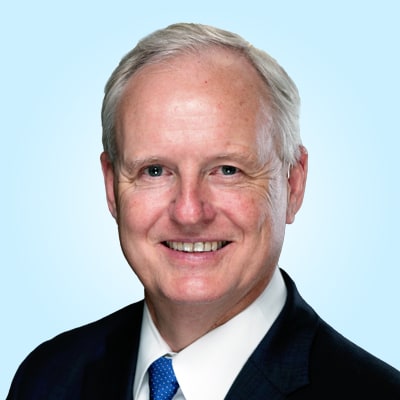
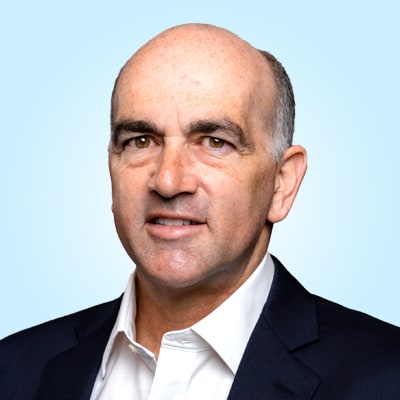
Charles H. Kuck
Kuck Baxter LLC
Greg Siskind
Siskind Susser, PC
Landmark Immigration Battles Against the Trump Administration
Watch Now

Become a Member to Watch This Webinar
* CLE credit is only available to Justia Connect Pro members.
Free Justia Connect Memberships are available to lawyers, other legal professionals, students, and all law enthusiasts.
Log In NowNot a Member? Get Connected for Free
* CLE credit is only available to Justia Connect Pro members.
CLE
Vikram Amar
UC Davis School of Law
Michael Dorf
Cornell Law School
Previewing the 2025–2026 Supreme Court Term
Breaking Down This Year's Docket
Watch Now
Become a Member to Watch This Webinar
* CLE credit is only available to Justia Connect Pro members.
Free Justia Connect Memberships are available to lawyers, other legal professionals, students, and all law enthusiasts.
Log In NowNot a Member? Get Connected for Free
* CLE credit is only available to Justia Connect Pro members.
CLE
Michael Dorf
Cornell Law School
Vikram Amar
UC Davis School of Law
Key Rulings From the 2024–2025 Supreme Court Term
Breaking Down the Bench
Watch Now
Become a Member to Watch This Webinar
* CLE credit is only available to Justia Connect Pro members.
Free Justia Connect Memberships are available to lawyers, other legal professionals, students, and all law enthusiasts.
Log In NowNot a Member? Get Connected for Free
* CLE credit is only available to Justia Connect Pro members.
CLE
Vikram Amar
UC Davis School of Law
Michael Dorf
Cornell Law School
Breaking Down This Year's Docket
Previewing the 2024–2025 Supreme Court Term
Watch Now
Become a Member to Watch This Webinar
* CLE credit is only available to Justia Connect Pro members.
Free Justia Connect Memberships are available to lawyers, other legal professionals, students, and all law enthusiasts.
Log In NowNot a Member? Get Connected for Free
* CLE credit is only available to Justia Connect Pro members.


