


Landmark Immigration Battles Against the Trump Administration
CLE
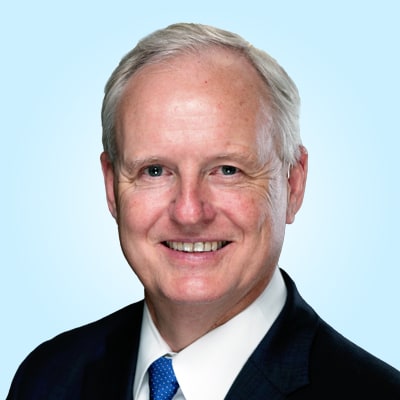

Charles H. Kuck
Kuck Baxter LLC
Greg Siskind
Siskind Susser, PC


Landmark Immigration Battles Against the Trump Administration
This session provides a rapid, practice-focused review of the key litigation shaping U.S. immigration law under the current administration. We will examine major court decisions that affect citizenship, enforcement, removals, asylum, students, employment-based immigration, and humanitarian programs. The goal is to give practitioners a clear understanding of where the law is shifting, what remains uncertain, and how to advise clients operating in an unstable legal environment.
Topics covered include:
Agenda:
Read More
›
- Citizenship Litigation
- Overview of the litigation surrounding birthright citizenship, including Trump v. Casa and Executive Order 14160. We will discuss how courts have responded, the status of universal injunctions, and what the Supreme Court’s actions mean for future challenges.
- Immigration Enforcement Cases
- Review of Trump v. J.G.G. and the Supreme Court’s approach to Alien Enemies Act litigation. Focus on how enforcement strategy is intersecting with constitutional constraints and emergency relief procedures.
- Removals and Due Process
- Discussion of D.V.D. v. DHS and related cases addressing notice, CAT claims, and judicial oversight of expedited removal pathways. Includes a brief look at bond-related litigation such as Maldonado.
- Asylum Litigation
- Analysis of RAICES v. Noem and the courts’ treatment of INA §212(f) proclamations attempting to restrict or halt asylum processing. We will cover how courts evaluate “invasion” rationales and the limits of presidential authority.
- Student Visa Litigation & SEVIS Terminations
- Examination of Harvard v. DHS and the wave of SEVIS terminations affecting thousands of international students. We will outline the current status of litigation across 65+ cases, court-ordered remedies, and forthcoming visa-revocation challenges.
- H-1B Litigation
- Discussion of Global Nurse Force v. Trump and Chamber of Commerce v. Trump, the challenges to the $100,000 “pay-to-enter” H-1B proclamation, and how courts are assessing executive authority over employment-based visa programs.
- R-1 Religious Worker Litigation
- Review of Roman Catholic Diocese of Paterson v. DOS and the litigation surrounding the five-year R-1 limit. Brief update on the dismissal based on the government’s proposed rule.
- TPS Litigation
- Survey of cases challenging TPS terminations for countries including Syria, Venezuela, and Haiti. Discussion of the Supreme Court’s shadow-docket role and resulting uncertainty for beneficiaries and practitioners.
- DACA Litigation
- Overview of Texas v. United States, the Fifth Circuit remand, and the implications of bifurcated nationwide operation of DACA — one set of rules for Texas, another for the rest of the country.
- Q&A (As Time Permits)
Duration of this webinar:
60 minutes
Originally broadcast:
January 7, 2026 8:00 AM PT
Webinar Highlights
This webinar is divided into section summaries, which you can scan for key points and then dive into the sections that interest you the most.
Charles Kuck and Greg Siskind are introduced as speakers, both with extensive backgrounds in immigration law. The webinar will focus on landmark immigration battles against the Trump administration, with a Q&A session planned. Greg and Charles discuss their experiences testifying in Congress.
The discussion begins with birthright citizenship, a key issue litigated by the Trump administration. The Trump v. CASA case, now at the Supreme Court, challenges the interpretation of the 14th Amendment regarding birthright citizenship. The historical context of the 14th Amendment and its implications for citizenship are explored. The potential impact of the Supreme Court's decision on millions of people and existing laws is highlighted. The speakers express skepticism about the administration's arguments and predict the Supreme Court will uphold established precedent.
The focus shifts to immigration enforcement, with a case involving the Alien Enemies Act being highlighted. The Trump administration's actions, including hiring thousands of ICE agents, are discussed in terms of their impact on immigration enforcement. Legal challenges to the administration's use of the Alien Enemies Act and the deployment of ICE agents are ongoing. The speakers discuss the implications of these actions for cities and states, particularly those with large immigrant populations. The concept of 'Kavanaugh stops' is introduced, referring to controversial immigration enforcement practices.
The administration's use of expedited removal and the challenges faced by individuals with pending asylum claims are highlighted. The Supreme Court's role in ensuring due process for individuals facing deportation to third countries is emphasized. The speakers express concern over the administration's attempts to deport individuals to countries where they may face harm. The use of 212(f) to restrict asylum applications and the legal challenges to this approach are discussed.
The discussion turns to student visas, focusing on issues with SEVIS and OPT for international students. The revocation of SEVIS and its impact on students' visa status is highlighted, along with legal challenges to these actions. The administration's attempts to restrict student visas and the resulting drop in international student enrollment are noted. The speakers discuss the broader implications of these policies for universities and the U.S. education system. The Harvard v. DHS case is mentioned as a significant legal victory for universities.
The conversation shifts to H-1B visa litigation, focusing on the Trump administration's imposition of a new fee. Legal challenges to the fee and the broader implications for the H-1B program are discussed. The speakers express concern over the administration's attempts to alter the H-1B lottery system based on wage levels. The potential impact of these changes on various industries, including healthcare, is highlighted. The speakers emphasize the importance of challenging these policies before the upcoming H-1B lottery.
The discussion moves to TPS and DACA developments, with a focus on ongoing litigation and policy changes. The impact of TPS terminations and the legal battles to reinstate protections for certain countries are discussed. The speakers highlight the uncertainty faced by DACA recipients, particularly those in Texas, due to legal challenges. The speakers express concern over the administration's handling of these programs and the potential consequences for affected individuals. The importance of continued legal advocacy and the role of the courts in protecting these programs are emphasized.
Please note this AI-generated summary provides a general overview of the webinar but may not capture all details, nuances, or the exact words of the speaker. For complete accuracy, please refer to the original webinar recording.
Speakers
Charles H. Kuck
Founding Partner
Kuck Baxter LLC
Kuck Baxter LLC
Charles H. (“Chuck”) Kuck is the Founding Partner of Kuck Baxter LLC in Atlanta, Georgia. Chuck served as the National President of the American Immigration Lawyers Association from 2008-2009. He also served as President of the Alliance of Business Immigration Lawyers from 2010-2014 and has been an Adjunct Professor of Law for more than 20 years, currently at Emory Law School. He was named one of the top 5 immigration attorneys in the world by Chambers & Partners again in 2022, the “Best Lawyer-Immigration” in Georgia by Best Lawyers in 2022, and was previously named one of the “100 Most Influential Georgians” by Georgia Trend magazine. Read More ›


Greg Siskind
Founding Partner
Siskind Susser, PC
Siskind Susser, PC
Greg Siskind is a founding partner of Siskind Susser and has been practicing immigration law since 1990. He is also a co-founder of AI software company Visalaw Ventures. He received his bachelor’s degree from Vanderbilt University and his law degree from the University of Chicago. Read More ›
Continuing Legal Education (CLE) Credits
*CLE credit is only available to Justia Connect Pros. Not a Pro? Upgrade today>>
California CLE
Status: Approved
Format: On-Demand
Credits: 1.00 General
Earn Credit Until: June 30, 2028
New Jersey CLE
Status: Approved
Format: Live (Virtual), On-Demand
Credits: 1.20 General
Earn Credit Until: January 6, 2027
Pennsylvania CLE
Status: Approved
Format: On-Demand
Credits: 1.00 Substantive Law, Practice, and Procedure
Earn Credit Until: January 6, 2028
Texas CLE
Status: Approved
Format: On-Demand
Credits: 1.00 General
Earn Credit Until: December 31, 2026
West Virginia CLE
Status: Approved
Format: On-Demand
Credits: 1.20 General
Earn Credit Until: December 31, 2026
This presentation is approved for one hour of General CLE credit in California, one hour of Substantive Law, Practice, and Procedure CLE credit in Pennsylvania, and one hour of General CLE credit in West Virginia. This program has been approved by the Board on Continuing Legal Education of the Supreme Court of New Jersey for 1.20 hours of total CLE credit. This course has been approved for Minimum Continuing Legal Education credit by the State Bar of Texas Committee on MCLE in the amount of 1.00 credit hours.
Justia only reports attendance in jurisdictions in which a particular Justia CLE Webinar is officially accredited. Lawyers may need to self-submit their certificates for CLE credit in jurisdictions not listed above.
Note that CLE credit, including partial credit, cannot be earned outside of the relevant accreditation period. To earn credit for a course, a lawyer must watch the entire course within the relevant accreditation period. Lawyers who have viewed a presentation multiple times may not be able to claim credit in their jurisdiction more than once. Justia reserves the right, at its discretion, to grant an attendee partial or no credit, in accordance with viewing duration and other methods of verifying course completion.
At this time, Justia only offers CLE courses officially accredited in certain states. Lawyers may generate a generic attendance certificate to self-submit credit in their own jurisdiction, but Justia does not guarantee that lawyers will receive their desired CLE credit through the self-submission or reciprocity process.
Looking for CLE credit?
Visit CLE Dashboard

Watch Related Videos
CLE
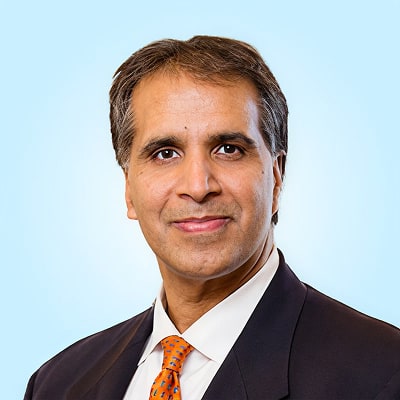

Vikram Amar
UC Davis School of Law
Michael Dorf
Cornell Law School
Key Rulings From the 2025–2026 Supreme Court Term
Breaking Down the Bench
Watch Now

Become a Member to Watch This Webinar
* CLE credit is only available to Justia Connect Pro members.
Free Justia Connect Memberships are available to lawyers, other legal professionals, students, and all law enthusiasts.
Log In NowNot a Member? Get Connected for Free
* CLE credit is only available to Justia Connect Pro members.
CLE
Charles H. Kuck
Kuck Baxter LLC
Greg Siskind
Siskind Susser, PC
Immigration Law in the Months Ahead
Forecasting Change Through Rules, Bans, Litigation, and Agency Action
Watch Now
Become a Member to Watch This Webinar
* CLE credit is only available to Justia Connect Pro members.
Free Justia Connect Memberships are available to lawyers, other legal professionals, students, and all law enthusiasts.
Log In NowNot a Member? Get Connected for Free
* CLE credit is only available to Justia Connect Pro members.
CLE
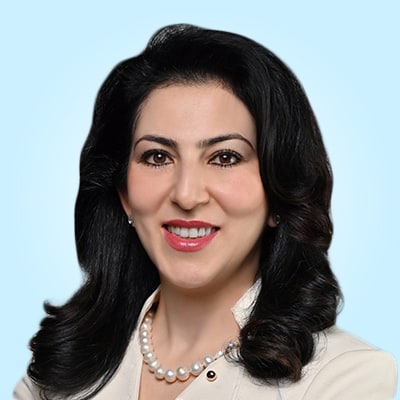
Raisa Cohen
Cohen Immigration Law Group, P.C.
Immigration Enforcement & Legal Risk: What Every Attorney Needs To Know Today
Watch Now
Become a Member to Watch This Webinar
* CLE credit is only available to Justia Connect Pro members.
Free Justia Connect Memberships are available to lawyers, other legal professionals, students, and all law enthusiasts.
Log In NowNot a Member? Get Connected for Free
* CLE credit is only available to Justia Connect Pro members.
CLE

Veronica Cardenas
Cardenas Immigration Law
Introduction to Immigration Law
Watch Now
Become a Member to Watch This Webinar
* CLE credit is only available to Justia Connect Pro members.
Free Justia Connect Memberships are available to lawyers, other legal professionals, students, and all law enthusiasts.
Log In NowNot a Member? Get Connected for Free
* CLE credit is only available to Justia Connect Pro members.
CLE
Vikram Amar
UC Davis School of Law
Michael Dorf
Cornell Law School
Previewing the 2025–2026 Supreme Court Term
Breaking Down This Year's Docket
Watch Now
Become a Member to Watch This Webinar
* CLE credit is only available to Justia Connect Pro members.
Free Justia Connect Memberships are available to lawyers, other legal professionals, students, and all law enthusiasts.
Log In NowNot a Member? Get Connected for Free
* CLE credit is only available to Justia Connect Pro members.
CLE
Michael Dorf
Cornell Law School
Vikram Amar
UC Davis School of Law
Key Rulings From the 2024–2025 Supreme Court Term
Breaking Down the Bench
Watch Now
Become a Member to Watch This Webinar
* CLE credit is only available to Justia Connect Pro members.
Free Justia Connect Memberships are available to lawyers, other legal professionals, students, and all law enthusiasts.
Log In NowNot a Member? Get Connected for Free
* CLE credit is only available to Justia Connect Pro members.
CLE
Vikram Amar
UC Davis School of Law
Michael Dorf
Cornell Law School
Breaking Down This Year's Docket
Previewing the 2024–2025 Supreme Court Term
Watch Now
Become a Member to Watch This Webinar
* CLE credit is only available to Justia Connect Pro members.
Free Justia Connect Memberships are available to lawyers, other legal professionals, students, and all law enthusiasts.
Log In NowNot a Member? Get Connected for Free
* CLE credit is only available to Justia Connect Pro members.


