


Lawyers’ Liability
The Game of Risk & Reward
CLE

Tracy L. Kepler
CNA's Lawyers Insurance Program


Lawyers’ Liability: The Game of Risk & Reward
As the legal landscape evolves, understanding both the recurring and emerging risks and challenges that our clients face is crucial. In this program, we will discuss some of the data compiled in the recent ABA Profile of Legal Malpractice Claims and similar reports, examining not only the micro — facts and figures, where administrative and substantive errors are being made, and especially problematic areas of practice, but also the macro — an exploration of key developments, including AI and technology, the economy, emerging regulatory concerns including a discussion of the relevant Model Rules of Professional Conduct, cybersecurity, the “transactional” nature of modern practice, and tort inflation. We will also provide some insight on how to minimize exposure to these professional liability claims and stay ahead of the trends.
Learning Objectives:
- Identify and Analyze Common Legal Malpractice Risks: Participants will be able to interpret data from the ABA Profile of Legal Malpractice Claims and similar reports to recognize recurring administrative and substantive errors, as well as high-risk practice areas
- Evaluate Emerging Trends and Challenges in Legal Practice: Participants will assess the impact of evolving factors such as AI and technology, economic shifts, tort inflation, and the transactional nature of modern legal work on professional liability exposure
- Understand Ethical Considerations: Participants will apply relevant Model Rules of Professional Conduct to LPL trends and understand the interrelation between them
- Develop Strategies to Minimize Professional Liability Exposure: Participants will formulate proactive approaches to reduce the risk of malpractice claims and adapt to evolving legal practice trends through improved risk management and compliance practices
Topics covered include:
Agenda:
Read More
›
- Introduction & Disclaimers
- Welcome and speaker introduction
- Purpose of the presentation
- Legal guidance vs. legal advice disclaimer
- Overview & Roadmap
- Key topics to be covered:
- Emerging data and trends
- MRPC insights
- LPL claims analysis
- Risk mitigation strategies
- Emerging Data & Trends in Legal Malpractice
- Understanding MRPC & Core Competencies
- MRPC 1.1 – Competence
- MRPC 1.3 – Diligence
- MRPC 1.2 & 1.4 – Scope of Representation & Communication
- Trends in LPL Claims
- Risk in Estate, Trust & Probate claims
- Decline in PI and Family Law claims
- “Settle & Sue” phenomenon
- Frequency vs. severity of claims
- Catastrophic claims and unworthy clients
- Rule 1.2(d) and aiding client fraud
- Risk Management & Client Due Diligence
- New MRPC 1.16(a) – Termination & Withdrawal
- Risk-based inquiry and client vetting
- Red flags and warning signs
- Consequences of poor due diligence
- Modern Challenges & Risk Mitigation
- Technology risks: AI, texting, email errors
- Cybersecurity threats
- Transactional client relationships
- Risk management strategies:
- Engagement letters
- Conflict checks
- Documentation and checklists
- Questions & Answers (as time permits)
Duration of this webinar:
60 minutes
Originally broadcast:
August 21, 2025 11:00 AM PT
Webinar Highlights
This webinar is divided into section summaries, which you can scan for key points and then dive into the sections that interest you the most.
Tracy L. Kepler, the speaker, is introduced as the Risk Control Consulting Director for CNA's Lawyers Insurance Program. Tracy outlines the focus of the webinar on emerging data and trends in legal malpractice cases and relevant model rules of professional conduct. She emphasizes the importance of understanding these trends to minimize the risk of malpractice complaints. Tracy provides her contact information for further inquiries.
Tracy discusses the ABA profile of legal malpractice claims, which provides insights into emerging trends and data. She conducts a poll to gauge audience perceptions of which practice areas receive the most malpractice claims. Wills, estates, and trusts have risen to the top of the list, surpassing other areas like family law and personal injury. Solo practitioners are identified as having the most claims due to isolation and lack of resources. Tracy explains the common sources of claims, such as poor preparation or missed deadlines.
Tracy elaborates on the concept of competence in legal practice, emphasizing thoroughness and preparation. She discusses the importance of collaboration skills, emotional intelligence, and financial literacy in avoiding malpractice claims. Technological affinity and health and well-being are also crucial for maintaining competence. Diligence involves constant effort and promptness in representing clients, avoiding procrastination. Tracy stresses the need to control workload and consider withdrawal if obligations cannot be met.
Effective client communication is essential to prevent malpractice claims, as outlined in Rule 1.4. Tracy advises establishing communication protocols at the beginning of the attorney-client relationship. She warns against fraudulent concealment and emphasizes honesty. The importance of explaining matters to clients to allow informed decision-making is highlighted. Tracy discusses the trend of increased claims in wills, estates, and trusts due to wealth transfer and client capacity issues.
Tracy notes the rise in intellectual property claims due to increased complexity and high stakes. She observes aggressive tactics by plaintiff firms and a decrease in criminal claims. Settlement suits are increasing, where clients feel forced to settle for less than their case's worth. The frequency of claims is decreasing, but the severity and dollar amounts are rising significantly. Tracy emphasizes the importance of early intervention by insurers to mitigate claim severity.
Tracy discusses the ethical obligations under ABA Model Rule 1.2(d) regarding client fraud. She emphasizes the need for due diligence throughout the representation to avoid aiding fraudulent conduct. Red flags include poor finances, reluctance to meet in person, and urgent last-minute requests. Tracy highlights the risks of failing to perform due diligence, including legal malpractice and reputational damage. She advises having a committee for client checks and creating a checklist for due diligence.
Tracy emphasizes the importance of avoiding dabbling in multiple practice areas to reduce malpractice claims. She advises against using boilerplate language without careful review and recommends using checklists and ticklers. Conflict-checking systems should be in place from the beginning and throughout the representation. Tracy stresses the need for clear engagement letters to prevent confusion and matter creep. She concludes by highlighting the importance of documenting client decisions and obtaining informed consent.
Please note this AI-generated summary provides a general overview of the webinar but may not capture all details, nuances, or the exact words of the speaker. For complete accuracy, please refer to the original webinar recording.
Speaker
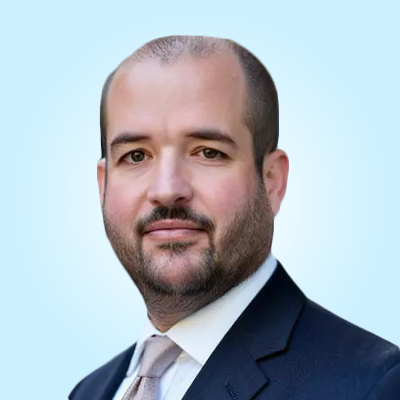
Tracy L. Kepler
Director of Risk Control Consulting
CNA's Lawyers Insurance Program
CNA's Lawyers Insurance Program
Tracy L. Kepler is the Director of Risk Control for CNA’s Lawyers’ Insurance Program. In this role, she leads the lawyers’ professional liability team, is accountable for business results through delivery of risk control services and designs and develops content and distribution of risk control initiatives relevant to the practice of law. Tracy reviews and directs the evaluation and assessment of loss exposures and the application of risk control policies, guidelines, regulations, and drives the resolution of risk control issues and problems. She also collaborates with the underwriting and claims teams to develop and execute strategies for the profitable growth of the program. Read More ›


Continuing Legal Education (CLE) Credits
Lawyers: To receive CLE credit, you must verify your law license for free in the Justia Lawyer Directory to become a Justia Connect Practice member. Depending on the jurisdiction or course, you may be eligible for free CLE credit or may need to upgrade your membership to Justia Connect Pro. Check CLE terms for full details.
California CLE
Status: Approved
Format: On-Demand
Credits: 1.00 Legal Ethics
Earn Credit Until: June 30, 2028
Ohio CLE
Status: Approved
Format: On-Demand
Credits: 1.00 Attorney Professional Conduct
Earn Credit Until: December 31, 2026
This presentation is approved for one hour of Legal Ethics CLE credit in California, and one hour of Attorney Professional Conduct CLE credit in Ohio.
Justia only reports attendance in jurisdictions in which a particular Justia CLE Webinar is officially accredited. Lawyers may need to self-submit their certificates for CLE credit in jurisdictions not listed above.
Note that CLE credit, including partial credit, cannot be earned outside of the relevant accreditation period. To earn credit for a course, a lawyer must watch the entire course within the relevant accreditation period. Lawyers who have viewed a presentation multiple times may not be able to claim credit in their jurisdiction more than once. Justia reserves the right, at its discretion, to grant an attendee partial or no credit, in accordance with viewing duration and other methods of verifying course completion.
At this time, Justia only offers CLE courses officially accredited in certain states. Lawyers may generate a generic attendance certificate to self-submit credit in their own jurisdiction, but Justia does not guarantee that lawyers will receive their desired CLE credit through the self-submission or reciprocity process.
Looking for CLE credit?
Visit CLE Dashboard

Watch Related Videos
CLE

Nance Schick
Third Ear Conflict Resolution
Partnership, Not Replacement
Leveraging Human Capacity in the Era of Algorithmic Workplace Management
Watch Now

Become a Member to Watch This Webinar
Lawyers: To receive CLE credit, you must verify your law license for free in the Justia Lawyer Directory to become a Justia Connect Practice member. Depending on the jurisdiction or course, you may be eligible for free CLE credit or may need to upgrade your membership to Justia Connect Pro. Check CLE terms for full details.
Free Justia Connect Memberships are available to lawyers, other legal professionals, students, and all law enthusiasts.
Log In NowNot a Member? Get Connected for Free
Lawyers: To receive CLE credit, you must verify your law license for free in the Justia Lawyer Directory to become a Justia Connect Practice member. Depending on the jurisdiction or course, you may be eligible for free CLE credit or may need to upgrade your membership to Justia Connect Pro. Check CLE terms for full details.
CLE

Charity Anastasio
The American Immigration Lawyers Association
Conflicts of Interest
Identification, Analysis, and Prevention Systems
Watch Now
Become a Member to Watch This Webinar
Lawyers: To receive CLE credit, you must verify your law license for free in the Justia Lawyer Directory to become a Justia Connect Practice member. Depending on the jurisdiction or course, you may be eligible for free CLE credit or may need to upgrade your membership to Justia Connect Pro. Check CLE terms for full details.
Free Justia Connect Memberships are available to lawyers, other legal professionals, students, and all law enthusiasts.
Log In NowNot a Member? Get Connected for Free
Lawyers: To receive CLE credit, you must verify your law license for free in the Justia Lawyer Directory to become a Justia Connect Practice member. Depending on the jurisdiction or course, you may be eligible for free CLE credit or may need to upgrade your membership to Justia Connect Pro. Check CLE terms for full details.
CLE

Micah Buchdahl
HTMLawyers, Inc.
Marketing, Advertising, and Solicitation Compliance for Law Firms
Watch Now
Become a Member to Watch This Webinar
Lawyers: To receive CLE credit, you must verify your law license for free in the Justia Lawyer Directory to become a Justia Connect Practice member. Depending on the jurisdiction or course, you may be eligible for free CLE credit or may need to upgrade your membership to Justia Connect Pro. Check CLE terms for full details.
Free Justia Connect Memberships are available to lawyers, other legal professionals, students, and all law enthusiasts.
Log In NowNot a Member? Get Connected for Free
Lawyers: To receive CLE credit, you must verify your law license for free in the Justia Lawyer Directory to become a Justia Connect Practice member. Depending on the jurisdiction or course, you may be eligible for free CLE credit or may need to upgrade your membership to Justia Connect Pro. Check CLE terms for full details.
CLE


Amber Bevacqua-Lynott
Buchalter
Troy J. Wood
Reuter Corbett, LLP
Say What?
Ethical Obligations and Avoiding Missteps in Client Communication
Watch Now
Become a Member to Watch This Webinar
Lawyers: To receive CLE credit, you must verify your law license for free in the Justia Lawyer Directory to become a Justia Connect Practice member. Depending on the jurisdiction or course, you may be eligible for free CLE credit or may need to upgrade your membership to Justia Connect Pro. Check CLE terms for full details.
Free Justia Connect Memberships are available to lawyers, other legal professionals, students, and all law enthusiasts.
Log In NowNot a Member? Get Connected for Free
Lawyers: To receive CLE credit, you must verify your law license for free in the Justia Lawyer Directory to become a Justia Connect Practice member. Depending on the jurisdiction or course, you may be eligible for free CLE credit or may need to upgrade your membership to Justia Connect Pro. Check CLE terms for full details.
CLE


Jennie Woltz
Woltz & Folkinshteyn, P.C.
Jeffrey J. Cunningham
Cohen Cunningham DeRose Higgins Lyon LLP
Benjamin Folkinshteyn
Woltz & Folkinshteyn, P.C.
Full-On Monet
AI in the Workplace, Legal Ethics, and Law Firm Risk Management
Watch Now
Become a Member to Watch This Webinar
Lawyers: To receive CLE credit, you must verify your law license for free in the Justia Lawyer Directory to become a Justia Connect Practice member. Depending on the jurisdiction or course, you may be eligible for free CLE credit or may need to upgrade your membership to Justia Connect Pro. Check CLE terms for full details.
Free Justia Connect Memberships are available to lawyers, other legal professionals, students, and all law enthusiasts.
Log In NowNot a Member? Get Connected for Free
Lawyers: To receive CLE credit, you must verify your law license for free in the Justia Lawyer Directory to become a Justia Connect Practice member. Depending on the jurisdiction or course, you may be eligible for free CLE credit or may need to upgrade your membership to Justia Connect Pro. Check CLE terms for full details.
CLE

Daniel J. Siegel
Attorney
IOLTA and Fee Agreements
Avoiding Common Ethical Pitfalls
Watch Now
Become a Member to Watch This Webinar
Lawyers: To receive CLE credit, you must verify your law license for free in the Justia Lawyer Directory to become a Justia Connect Practice member. Depending on the jurisdiction or course, you may be eligible for free CLE credit or may need to upgrade your membership to Justia Connect Pro. Check CLE terms for full details.
Free Justia Connect Memberships are available to lawyers, other legal professionals, students, and all law enthusiasts.
Log In NowNot a Member? Get Connected for Free
Lawyers: To receive CLE credit, you must verify your law license for free in the Justia Lawyer Directory to become a Justia Connect Practice member. Depending on the jurisdiction or course, you may be eligible for free CLE credit or may need to upgrade your membership to Justia Connect Pro. Check CLE terms for full details.
CLE


Ian Comisky
Fox Rothschild LLP
Bryan Skarlatos
Kostelanetz LLP
Attorney Client Privilege Update
Identity, Crime Fraud and the Attorney As Whistleblower
Watch Now
Become a Member to Watch This Webinar
Lawyers: To receive CLE credit, you must verify your law license for free in the Justia Lawyer Directory to become a Justia Connect Practice member. Depending on the jurisdiction or course, you may be eligible for free CLE credit or may need to upgrade your membership to Justia Connect Pro. Check CLE terms for full details.
Free Justia Connect Memberships are available to lawyers, other legal professionals, students, and all law enthusiasts.
Log In NowNot a Member? Get Connected for Free
Lawyers: To receive CLE credit, you must verify your law license for free in the Justia Lawyer Directory to become a Justia Connect Practice member. Depending on the jurisdiction or course, you may be eligible for free CLE credit or may need to upgrade your membership to Justia Connect Pro. Check CLE terms for full details.
CLE


Ashley Hallene
Demeter Land Development
Jeffrey Allen
Graves & Allen
Cybersecurity 101 for Lawyers
Ethical and Practical Considerations
Watch Now
Become a Member to Watch This Webinar
Lawyers: To receive CLE credit, you must verify your law license for free in the Justia Lawyer Directory to become a Justia Connect Practice member. Depending on the jurisdiction or course, you may be eligible for free CLE credit or may need to upgrade your membership to Justia Connect Pro. Check CLE terms for full details.
Free Justia Connect Memberships are available to lawyers, other legal professionals, students, and all law enthusiasts.
Log In NowNot a Member? Get Connected for Free
Lawyers: To receive CLE credit, you must verify your law license for free in the Justia Lawyer Directory to become a Justia Connect Practice member. Depending on the jurisdiction or course, you may be eligible for free CLE credit or may need to upgrade your membership to Justia Connect Pro. Check CLE terms for full details.
CLE

Brian S. Quinn
Lawyers Concerned for Lawyers of Pennsylvania
The Burned Out Lawyer
An Occupational Hazard?
Watch Now
Become a Member to Watch This Webinar
Lawyers: To receive CLE credit, you must verify your law license for free in the Justia Lawyer Directory to become a Justia Connect Practice member. Depending on the jurisdiction or course, you may be eligible for free CLE credit or may need to upgrade your membership to Justia Connect Pro. Check CLE terms for full details.
Free Justia Connect Memberships are available to lawyers, other legal professionals, students, and all law enthusiasts.
Log In NowNot a Member? Get Connected for Free
Lawyers: To receive CLE credit, you must verify your law license for free in the Justia Lawyer Directory to become a Justia Connect Practice member. Depending on the jurisdiction or course, you may be eligible for free CLE credit or may need to upgrade your membership to Justia Connect Pro. Check CLE terms for full details.
CLE

Melissa Silverstein
The Healed Professional
Rethinking Alcohol in Legal Culture
A Leadership Framework
Watch Now
Become a Member to Watch This Webinar
Lawyers: To receive CLE credit, you must verify your law license for free in the Justia Lawyer Directory to become a Justia Connect Practice member. Depending on the jurisdiction or course, you may be eligible for free CLE credit or may need to upgrade your membership to Justia Connect Pro. Check CLE terms for full details.
Free Justia Connect Memberships are available to lawyers, other legal professionals, students, and all law enthusiasts.
Log In NowNot a Member? Get Connected for Free
Lawyers: To receive CLE credit, you must verify your law license for free in the Justia Lawyer Directory to become a Justia Connect Practice member. Depending on the jurisdiction or course, you may be eligible for free CLE credit or may need to upgrade your membership to Justia Connect Pro. Check CLE terms for full details.


