


Navigating Generative AI
Ethics, Risks, and Responsible Use for Lawyers
CLE

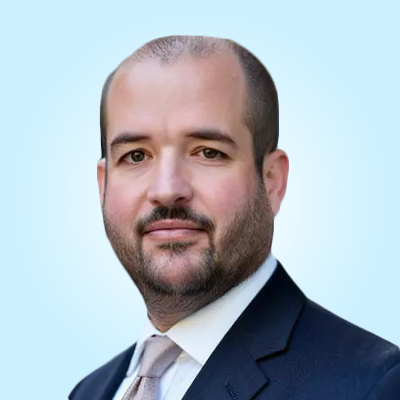
Daniel J. Siegel
Attorney
Navigating Generative AI: Ethics, Risks, and Responsible Use for Lawyers
Generative artificial intelligence is transforming the practice of law, but it also presents significant ethical and professional responsibility challenges. This program examines how lawyers can use AI effectively while complying with the Model Rules of Professional Conduct, including duties of competence, confidentiality, candor, communication, supervision, and avoiding the unauthorized practice of law. Through real-world examples of AI hallucinations, false citations, recent disciplinary cases, and practical guidance, attendees will learn best practices for integrating AI into their practices responsibly and ethically.
Topics covered include:
Agenda:
Read More
›
- Why AI Matters
- Why ChatGPT changed everything
- What Is Artificial Intelligence?
- AI vs. Generative AI
- Growth of AI
- The Good, the Bad, and the Ugly
- Helpful AI uses
- Deepfakes
- False citations
- Hallucinations
- Bias
- The Steven Schwartz Story (Mata v. Avianca)
- What happened and why
- Lessons for every lawyer
- Verify everything
- AI as a Tool – Not a Lawyer
- Appropriate uses
- Productivity benefits
- Why AI wants to “please you”
- Human judgment remains essential
- Ethics Under the Model Rules
- Rule 1.1: competence
- Rule 1.6: confidentiality
- Rule 1.4: communication
- Rules 1.7 and 1.9: conflicts
- Rules 3.1 and 3.3: candor and truthful filings
- Rules 5.1 and 5.3: supervision
- Rule 5.5: unauthorized practice
- Pennsylvania Joint Opinion and Best Practices
- PBA/Philadelphia Joint Opinion 2024-200
- Internal office policies
- Protecting confidential information
- Client consent
- Billing considerations
- Practical safeguards
- Ten Practical Takeaways
- Verify every citation
- Never trust AI legal research alone
- Protect confidential information
- Supervise AI like a junior associate
- Explain AI use to clients when appropriate
- Watch for bias
- Keep learning
- Develop firm policies
- Remember AI is a tool – not the lawyer
- Your signature makes it your work
- Final Thoughts
- Q&A (As Time Permits)
Duration of this webinar:
60 minutes
Originally broadcast:
September 16, 2026 10:00 AM PT
Speaker
Daniel J. Siegel
Attorney
Attorney Daniel J. Siegel is a nationally recognized authority on legal ethics, technology, data protection, cybersecurity, civil litigation, workers’ compensation, and law-practice workflow management. He is the principal of both the Law Offices of Daniel J. Siegel, LLC and Integrated Technology Services, LLC, where he addresses the complex legal, ethical, and operational issues that frequently challenge lawyers and law firms. Read More ›


Continuing Legal Education (CLE) Credits
*CLE credit is only available to Justia Connect Pros. Not a Pro? Upgrade today>>
Alabama CLE
Status: Approved
Format: On-Demand
Credits: 1.00 Ethics
Alaska CLE
Status: Approved
Format: Live (Virtual), On-Demand
Credits: 1.00 Ethics
California CLE
Status: Approved
Format: Live (Virtual), On-Demand
Credits: 1.00 Technology in the Practice of Law
Delaware CLE
Status: Approved
Format: Live (Virtual), On-Demand
Credits: 1.00 Enhanced Ethics
Hawaii CLE
Status: Approved
Format: Live (Virtual), On-Demand
Credits: 1.00 Ethics
Illinois CLE
Status: Approved
Format: Live (Virtual), On-Demand
Credits: 1.00 Professional Responsibility - Ethics / Civility / Professionalism / Sexual Harassment Prevention
Nebraska CLE
Status: Approved
Format: On-Demand
Credits: 1.00 Professional Responsibility
New Jersey CLE
Status: Approved
Format: Live (Virtual), On-Demand
Credits: 1.20 Ethics/Professionalism
North Carolina CLE
Status: Approved
Format: On-Demand
Credits: 1.00 Technology Training
Ohio CLE
Status: Approved
Format: On-Demand
Credits: 1.00 Attorney Professional Conduct
Pennsylvania CLE
Status: Approved
Format: Live (Virtual), On-Demand
Credits: 1.00 Ethics, Professionalism, or Substance Abuse
South Carolina CLE
Status: Approved
Format: Live (Virtual), On-Demand
Credits: 1.00 Legal Ethics/Professional Responsibility
Difficulty: All Levels
Texas CLE
Status: Pending
Format: On-Demand
Credits: TBD
Utah CLE
Status: Approved
Format: Live (Virtual), On-Demand
Credits: 1.00 Ethics
Vermont CLE
Status: Approved
Format: Live (Virtual), On-Demand
Credits: 1.00 Ethics
This presentation is approved for one hour of Ethics CLE credit in Alabama, one hour of Ethics CLE credit in Alaska, one hour of Technology in the Practice of Law CLE credit in California, one hour of Enhanced Ethics CLE credit in Delaware, one hour of Ethics CLE credit in Hawaii, one hour of Professional Responsibility - Ethics / Civility / Professionalism / Sexual Harassment Prevention CLE credit in Illinois, one hour of Professional Responsibility CLE credit in Nebraska, one hour of Technology Training CLE credit in North Carolina, one hour of Attorney Professional Conduct CLE credit in Ohio, one hour of Ethics, Professionalism, or Substance Abuse CLE credit in Pennsylvania, one hour of Legal Ethics/Professional Responsibility CLE credit in South Carolina (all levels), one hour of Ethics CLE credit in Utah, and one hour of Ethics CLE credit in Vermont. This program has been approved by the Board on Continuing Legal Education of the Supreme Court of New Jersey for 1.20 hours of total CLE credit. Of these, 1.20 qualify as total hours of credit for Ethics/Professionalism. An application for accreditation of this activity has been submitted to the MCLE Committee of the State Bar of Texas and is pending.
Justia only reports attendance in jurisdictions in which a particular Justia CLE Webinar is officially accredited. Lawyers may need to self-submit their certificates for CLE credit in jurisdictions not listed above.
Note that CLE credit, including partial credit, cannot be earned outside of the relevant accreditation period. To earn credit for a course, a lawyer must watch the entire course within the relevant accreditation period. Lawyers who have viewed a presentation multiple times may not be able to claim credit in their jurisdiction more than once. Justia reserves the right, at its discretion, to grant an attendee partial or no credit, in accordance with viewing duration and other methods of verifying course completion.
At this time, Justia only offers CLE courses officially accredited in certain states. Lawyers may generate a generic attendance certificate to self-submit credit in their own jurisdiction, but Justia does not guarantee that lawyers will receive their desired CLE credit through the self-submission or reciprocity process.
Watch Related Videos
CLE

Nance Schick
Third Ear Conflict Resolution
Partnership, Not Replacement
Leveraging Human Capacity in the Era of Algorithmic Workplace Management
Watch Now

Become a Member to Watch This Webinar
* CLE credit is only available to Justia Connect Pro members.
Free Justia Connect Memberships are available to lawyers, other legal professionals, students, and all law enthusiasts.
Log In NowNot a Member? Get Connected for Free
* CLE credit is only available to Justia Connect Pro members.
CLE

Dan Gibson
Davis Hartman Wright
AI-Powered Lawyering
Tools To Save Time and Improve Output
Watch Now
Become a Member to Watch This Webinar
* CLE credit is only available to Justia Connect Pro members.
Free Justia Connect Memberships are available to lawyers, other legal professionals, students, and all law enthusiasts.
Log In NowNot a Member? Get Connected for Free
* CLE credit is only available to Justia Connect Pro members.
CLE


Ashley Hallene
Demeter Land Development
Jeffrey Allen
Graves & Allen
How Law Firms Can Prevent, Spot, Navigate, and Survive Scams and Cybercrimes
Watch Now
Become a Member to Watch This Webinar
* CLE credit is only available to Justia Connect Pro members.
Free Justia Connect Memberships are available to lawyers, other legal professionals, students, and all law enthusiasts.
Log In NowNot a Member? Get Connected for Free
* CLE credit is only available to Justia Connect Pro members.
CLE


Anna Russell
Cornell Law School
Craig Newton
The Legal Information Institute at Cornell Law School
Building Solutions to Legal Information Challenges
Watch Now
Become a Member to Watch This Webinar
* CLE credit is only available to Justia Connect Pro members.
Free Justia Connect Memberships are available to lawyers, other legal professionals, students, and all law enthusiasts.
Log In NowNot a Member? Get Connected for Free
* CLE credit is only available to Justia Connect Pro members.
CLE


Jennie Woltz
Woltz & Folkinshteyn, P.C.
Jeffrey J. Cunningham
Cohen Cunningham DeRose Higgins Lyon LLP
Benjamin Folkinshteyn
Woltz & Folkinshteyn, P.C.
Full-On Monet
AI in the Workplace, Legal Ethics, and Law Firm Risk Management
Watch Now
Become a Member to Watch This Webinar
* CLE credit is only available to Justia Connect Pro members.
Free Justia Connect Memberships are available to lawyers, other legal professionals, students, and all law enthusiasts.
Log In NowNot a Member? Get Connected for Free
* CLE credit is only available to Justia Connect Pro members.
CLE

Diana-Marie Laventure
Kaufman Borgeest & Ryan LLP
Smart Technology, Real Consequences
AI, Bias, and Employment Law
Watch Now
Become a Member to Watch This Webinar
* CLE credit is only available to Justia Connect Pro members.
Free Justia Connect Memberships are available to lawyers, other legal professionals, students, and all law enthusiasts.
Log In NowNot a Member? Get Connected for Free
* CLE credit is only available to Justia Connect Pro members.
CLE


Ian Comisky
Fox Rothschild LLP
Bryan Skarlatos
Kostelanetz LLP
Attorney Client Privilege Update
Identity, Crime Fraud and the Attorney As Whistleblower
Watch Now
Become a Member to Watch This Webinar
* CLE credit is only available to Justia Connect Pro members.
Free Justia Connect Memberships are available to lawyers, other legal professionals, students, and all law enthusiasts.
Log In NowNot a Member? Get Connected for Free
* CLE credit is only available to Justia Connect Pro members.
CLE

James Gatto
Sheppard Mullin
Beyond Copyright Training
10 Interesting AI Issues Being Litigated
Watch Now
Become a Member to Watch This Webinar
* CLE credit is only available to Justia Connect Pro members.
Free Justia Connect Memberships are available to lawyers, other legal professionals, students, and all law enthusiasts.
Log In NowNot a Member? Get Connected for Free
* CLE credit is only available to Justia Connect Pro members.
CLE

Robyn Charles
Education Media LLC
AI, Evidence, and the Future of Legal Practice
Watch Now
Become a Member to Watch This Webinar
* CLE credit is only available to Justia Connect Pro members.
Free Justia Connect Memberships are available to lawyers, other legal professionals, students, and all law enthusiasts.
Log In NowNot a Member? Get Connected for Free
* CLE credit is only available to Justia Connect Pro members.
CLE

Greg Siskind
Siskind Susser, PC
AI and Ethics for Lawyers
Practical Guidance for Responsible Use
Watch Now
Become a Member to Watch This Webinar
* CLE credit is only available to Justia Connect Pro members.
Free Justia Connect Memberships are available to lawyers, other legal professionals, students, and all law enthusiasts.
Log In NowNot a Member? Get Connected for Free
* CLE credit is only available to Justia Connect Pro members.


