


Sports Law 2026
Major Changes in the Legal Landscape
CLE

Mark Conrad
Fordham University, Gabelli School of Business


Sports Law 2026: Major Changes in the Legal Landscape
This webinar outlines the seismic changes taking place in the law of sports over the last year and a half. It will discuss college sports as a centerpiece of the changes, but will also outline the sports betting universe and professional sports issues focusing on labor and media rights. It will also discuss transgender athletes and the upcoming Supreme Court ruling.
Topics covered include:
Agenda:
Read More
›
- The Legal Status of Collegiate Sports – The House Settlement and Its Aftermath
- Quick Summary of the House Settlement
- Overview of the landmark House settlement and its significance for collegiate athletics
- Back-pay awards for former athletes and the introduction of direct revenue sharing
- Changes to scholarship limits, roster management, and athlete compensation
- What Is Settled and What Is Not
- Key provisions resolved by the settlement
- Remaining questions involving Title IX, athlete compensation, and NCAA governance
- The role of the newly created College Sports Commission in reviewing NIL agreements
- Subsequent Litigation and Regulatory Challenges
- Ongoing antitrust challenges involving NIL restrictions, compensation caps, and College Sports Commission oversight
- Litigation involving athlete eligibility, including challenges to the NCAA’s five-year rule and treatment of junior college athletes
- Emerging disputes concerning athlete compensation, fair-market-value determinations, and enforcement authority
- Quick Summary of the House Settlement
- Congress’ Attempts to Regulate College Sports
- Review of federal legislative proposals, including efforts to codify aspects of the House settlement
- Proposed antitrust protections for the NCAA and conferences
- Continuing debate over athlete compensation, employee status, and uniform national standards
- The Trump Administration and College Sports
- Executive actions addressing athlete compensation, NIL payments, and college sports governance
- Federal policy positions regarding athlete employment status
- Potential effects on Olympic sports, women’s athletics, and institutional compliance obligations
- Gambling v. Prediction Markets
- Growth of legalized sports wagering and integrity concerns in collegiate and professional sports
- Athlete gambling investigations, league enforcement actions, and betting-related compliance issues
- Emergence of prediction markets and event contracts tied to sporting events
- Federal and state regulatory disputes regarding the legality of sports prediction markets and the role of the CFTC
- Professional Sports Developments: Media Rights
- The continued shift from traditional broadcasting to streaming platforms
- Major media-rights agreements involving MLB, the NBA, NFL, and WNBA
- The impact of regional sports network instability on leagues, teams, and consumers
- Labor Relations: WNBA and MLB
- Key developments in collective bargaining and player compensation
- WNBA salary growth, revenue sharing, and working-condition improvements
- Major League Baseball labor issues, luxury-tax concerns, and upcoming collective bargaining negotiations
- Supreme Court Review of Transgender Athlete Participation
- Overview of pending Supreme Court cases involving restrictions on transgender athletes
- Title IX and Equal Protection issues presented by the litigation
- Federal policy developments affecting women’s sports and educational institutions
- Potential implications for schools, athletic associations, and future sports participation policies
- Q&A (As Time Permits)
Duration of this webinar:
60 minutes
Originally broadcast:
August 11, 2026 10:00 AM PT
Webinar Highlights
This webinar is divided into section summaries, which you can scan for key points and then dive into the sections that interest you the most.
Mark Conrad, the speaker, discusses the House Settlement, a significant litigation outcome that opened the door for NIL compensation for college athletes. The settlement includes back pay for lost NIL revenues and optional revenue-sharing formulas for schools, with many opting out due to budget constraints. A College Sports Commission is established to vet NIL payments, ensuring they are legitimate and not sham arrangements. Unresolved issues include salary caps and antitrust concerns related to the College Sports Commission's restrictions on boosters.
The NCAA's governance and policies, such as eligibility and transfer rules, are scrutinized for potential antitrust violations. The rule of reason test is generally applied in antitrust cases, balancing anti-competitive effects against pro-competitive justifications. Key NCAA rules under litigation include the five-year rule and transfer restrictions, affecting athletes' ability to earn NIL money. The Pavia case highlights challenges in applying the rule of reason test, with differing judicial opinions.
Sports betting is illegal in Texas, but a student athlete's gambling issue led to legal challenges and an injunction allowing him to play. Congress has attempted to regulate college sports, with the SCORE Act being the most bipartisan effort, focusing on NIL compensation and an antitrust exemption for the NCAA. The role of colleges in developing Olympic athletes is crucial, raising concerns about funding and competitiveness amid regulatory changes. The Trump administration issued executive orders affecting college sports funding and athlete status.
Sports betting is legal in many states, but issues of corruption and athlete harassment persist. Prediction markets, regulated by the federal government, offer event contracts as an alternative to traditional sports betting. The CFTC is considering regulations for prediction markets, but the lack of clear frameworks has led to significant litigation.
Team valuations are booming, with private equity investments increasing in professional sports teams. The sale of teams like the LA Lakers and Portland Trail Blazers highlights the financial dynamics and public funding controversies in sports. Streaming rights are becoming more prevalent in broadcast deals, while leagues are taking control of local broadcasts. Labor negotiations in MLB focus on salary structures, with potential for a lockout, while the WNBA sees improvements in salaries and travel accommodations.
Please note this AI-generated summary provides a general overview of the webinar but may not capture all details, nuances, or the exact words of the speaker. For complete accuracy, please refer to the original webinar recording.
Speaker
Mark Conrad
Professor, Law and Ethics Director
Fordham University, Gabelli School of Business
Fordham University, Gabelli School of Business
Mark Conrad is Professor of Law and Ethics at Fordham’s Gabelli School of Business, where he directs the Gabelli Sports Business Initiative, an academic center which seeks to explore cutting-edge issues in sports and invites guest speakers to discuss, debate and analyze current issues in the sports industry. Professor Conrad teaches classes in sports law, media law, artificial intelligence and the law, law and the arts, and contracts and business organizations for undergraduate and graduate students. Read More ›


Continuing Legal Education (CLE) Credits
*CLE credit is only available to Justia Connect Pros. Not a Pro? Upgrade today>>
Alabama CLE
Status: Approved
Format: On-Demand
Credits: 1.00 General
Earn Credit Until: December 31, 2026
Alaska CLE
Status: Approved
Format: Live (Virtual), On-Demand
Credits: 1.00 General
Earn Credit Until: August 10, 2031
California CLE
Status: Approved
Format: Live (Virtual), On-Demand
Credits: 1.00 General
Earn Credit Until: June 30, 2028
Hawaii CLE
Status: Approved
Format: Live (Virtual), On-Demand
Credits: 1.00 General
Earn Credit Until: August 10, 2028
Illinois CLE
Status: Approved
Format: Live (Virtual), On-Demand
Credits: 1.00 General
Earn Credit Until: August 10, 2028
New Jersey CLE
Status: Approved
Format: Live (Virtual), On-Demand
Credits: 1.20 General
Earn Credit Until: August 10, 2027
North Carolina CLE
Status: Approved
Format: On-Demand
Credits: 1.00 General
Earn Credit Until: February 28, 2027
Ohio CLE
Status: Approved
Format: On-Demand
Credits: 1.00 General
Earn Credit Until: December 31, 2026
Pennsylvania CLE
Status: Approved
Format: Live (Virtual), On-Demand
Credits: 1.00 Substantive Law, Practice, and Procedure
Earn Credit Until: August 10, 2028
Texas CLE
Status: Approved
Format: On-Demand
Credits: 1.00 General
Earn Credit Until: July 31, 2027
Vermont CLE
Status: Approved
Format: Live (Virtual), On-Demand
Credits: 1.00 General
Earn Credit Until: August 11, 2031
West Virginia CLE
Status: Approved
Format: On-Demand
Credits: 1.20 General
Earn Credit Until: December 31, 2029
This presentation is approved for one hour of General CLE credit in Alabama, one hour of General CLE credit in Alaska, one hour of General CLE credit in California, one hour of General CLE credit in Hawaii, one hour of General CLE credit in Illinois, one hour of General CLE credit in North Carolina, one hour of General CLE credit in Ohio, one hour of Substantive Law, Practice, and Procedure CLE credit in Pennsylvania, one hour of General CLE credit in Vermont, and one hour of General CLE credit in West Virginia. This program has been approved by the Board on Continuing Legal Education of the Supreme Court of New Jersey for 1.20 hours of total CLE credit. This course has been approved for Minimum Continuing Legal Education credit by the State Bar of Texas Committee on MCLE in the amount of 1.00 credit hours.
Justia only reports attendance in jurisdictions in which a particular Justia CLE Webinar is officially accredited. Lawyers may need to self-submit their certificates for CLE credit in jurisdictions not listed above.
Note that CLE credit, including partial credit, cannot be earned outside of the relevant accreditation period. To earn credit for a course, a lawyer must watch the entire course within the relevant accreditation period. Lawyers who have viewed a presentation multiple times may not be able to claim credit in their jurisdiction more than once. Justia reserves the right, at its discretion, to grant an attendee partial or no credit, in accordance with viewing duration and other methods of verifying course completion.
At this time, Justia only offers CLE courses officially accredited in certain states. Lawyers may generate a generic attendance certificate to self-submit credit in their own jurisdiction, but Justia does not guarantee that lawyers will receive their desired CLE credit through the self-submission or reciprocity process.
Looking for CLE credit?
Visit CLE Dashboard

Watch Related Videos
CLE
Nance Schick
Third Ear Conflict Resolution
Partnership, Not Replacement
Leveraging Human Capacity in the Era of Algorithmic Workplace Management
Watch Now

Become a Member to Watch This Webinar
* CLE credit is only available to Justia Connect Pro members.
Free Justia Connect Memberships are available to lawyers, other legal professionals, students, and all law enthusiasts.
Log In NowNot a Member? Get Connected for Free
* CLE credit is only available to Justia Connect Pro members.
CLE
Nance Schick
Third Ear Conflict Resolution
Leading Through the "Sandwich" Crisis
A Conflict Triage for 2026
Watch Now
Become a Member to Watch This Webinar
* CLE credit is only available to Justia Connect Pro members.
Free Justia Connect Memberships are available to lawyers, other legal professionals, students, and all law enthusiasts.
Log In NowNot a Member? Get Connected for Free
* CLE credit is only available to Justia Connect Pro members.
CLE

Diana-Marie Laventure
Kaufman Borgeest & Ryan LLP
Smart Technology, Real Consequences
AI, Bias, and Employment Law
Watch Now
Become a Member to Watch This Webinar
* CLE credit is only available to Justia Connect Pro members.
Free Justia Connect Memberships are available to lawyers, other legal professionals, students, and all law enthusiasts.
Log In NowNot a Member? Get Connected for Free
* CLE credit is only available to Justia Connect Pro members.
CLE


Heather Marx
Cozen O'Connor
Kristi Zentner
Cozen O'Connor
Smart Contracting
Prioritizing Key Issues in Legal Negotiations
Watch Now
Become a Member to Watch This Webinar
* CLE credit is only available to Justia Connect Pro members.
Free Justia Connect Memberships are available to lawyers, other legal professionals, students, and all law enthusiasts.
Log In NowNot a Member? Get Connected for Free
* CLE credit is only available to Justia Connect Pro members.
CLE

Amy S. Malish
Pugh Accardo
Marina J. Wilson
Pugh Accardo
When Control Creates Risk
Vicarious Liability for Franchisors
Watch Now
Become a Member to Watch This Webinar
* CLE credit is only available to Justia Connect Pro members.
Free Justia Connect Memberships are available to lawyers, other legal professionals, students, and all law enthusiasts.
Log In NowNot a Member? Get Connected for Free
* CLE credit is only available to Justia Connect Pro members.
CLE
James Gatto
Sheppard Mullin
Beyond Copyright Training
10 Interesting AI Issues Being Litigated
Watch Now
Become a Member to Watch This Webinar
* CLE credit is only available to Justia Connect Pro members.
Free Justia Connect Memberships are available to lawyers, other legal professionals, students, and all law enthusiasts.
Log In NowNot a Member? Get Connected for Free
* CLE credit is only available to Justia Connect Pro members.
CLE

Kellie W. Fisher
Drummond Woodsum
Adam R. Prescott
Bernstein Shur Sawyer & Nelson, PA
Subchapter V Plan Confirmation Requirements and Strategies
Watch Now
Become a Member to Watch This Webinar
* CLE credit is only available to Justia Connect Pro members.
Free Justia Connect Memberships are available to lawyers, other legal professionals, students, and all law enthusiasts.
Log In NowNot a Member? Get Connected for Free
* CLE credit is only available to Justia Connect Pro members.
CLE

Donna Lurie
Lurie Workplace Solutions
The Arbitrability Puzzle
Key Challenges and Responses
Watch Now
Become a Member to Watch This Webinar
* CLE credit is only available to Justia Connect Pro members.
Free Justia Connect Memberships are available to lawyers, other legal professionals, students, and all law enthusiasts.
Log In NowNot a Member? Get Connected for Free
* CLE credit is only available to Justia Connect Pro members.
CLE
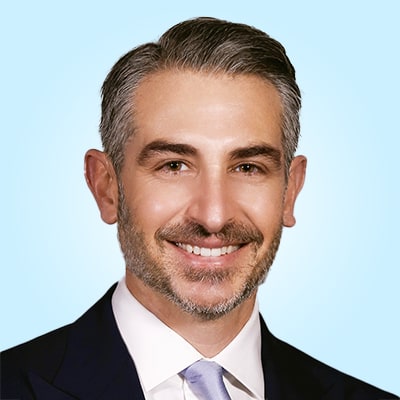

Michael S. Zullo
Duane Morris LLP
J. Colin Knisely
Duane Morris LLP
The New Frontier of Privacy Litigation
Watch Now
Become a Member to Watch This Webinar
* CLE credit is only available to Justia Connect Pro members.
Free Justia Connect Memberships are available to lawyers, other legal professionals, students, and all law enthusiasts.
Log In NowNot a Member? Get Connected for Free
* CLE credit is only available to Justia Connect Pro members.


