


Subject Matter Conflicts in Patent and Trademark Law
How To Spot and Avoid Issues
CLE


Emil J. Ali
McCabe & Ali, LLP
Michael McCabe
McCabe & Ali, LLP


Subject Matter Conflicts in Patent and Trademark Law: How To Spot and Avoid Issues
This webinar will focus on specialized ethical issues facing IP lawyers, especially patent attorneys who are registered to practice in patent matters before the USPTO.
The presenters, registered patent attorneys who focus their practice on ethics for IP lawyers, will discuss topics including how to identify, analyze, and manage conflicts of interest unique to patent and trademark practice, with a particular emphasis on subject matter conflicts. The CLE will also discuss the applicability of the USPTO Rules of Professional Conduct, and their interplay with certain ABA Model Rules that cover conflicts.
Topics covered include:
Agenda:
Read More
›
- Intro and Basics of Conflicts
- Why Do Conflicts Matter?
- Sheppard, Mullin, Richter & Hampton, LLP v. J-M Manufacturing Company, Inc.
- Major Types of Conflict
- Current client conflicts
- ABA M.R. 1.7(a)(1) / 37 CFR 11.107(a)(1)
- ABA M.R. 1.7(a)(2) / 37 CFR 11.107(a)(2)
- The bad news: Imputed liability ABA M.R.1.10 / 37 CFR 11.110
- The good news: Potentially waivable ABA M.R. 1.7 (b) / 37 CFR 11.107(b)
- Other Types of Current Client Conflicts
- Business transaction with client
- Third-party payment of client’s legal fees
- Prospective limitations of liability to client
- Prohibiting sexual relations with client unless pre-existing representation
- ABA M.R. 1.8/ 37 CFR 11.108
- The bad news: Imputed liability If one lawyer is conflicted, all lawyers in same firm conflicted (exception for sexual relations conflict) ABA M.R. 1.8(k) / 37 CFR 11.108(k)
- The good news: Most other conflicts waivable ABA M.R. 1.8(a) / 37 CFR 11.108(a)
- Former Client Conflicts
- ABA M.R. 1.9 / 37 CFR 11.109
- What Is a Subject Matter Conflict?
- Maling v Finnegan, 473 Mass. 336 (2015).
- Analogy to Curtis v. Radio Representatives, Inc. (D.D.C. 1988)
- Sentinel Prods. Corp. v. Platt (D. Mass. 2002).
- No malpractice due to lack of proof of damages
- Potentially “actionable” by a Bar complaint — damages not required.
- USPTO/OED expects IP firms to check for subject matter conflicts.
- USPTO/OED expands rationale of Maling to trademark representation.
- AXCESS INT’L V. BAKER BOTTS LLP 2016 Tex App. LEXIS 3081
- Subject Matter Conflicts – Discipline
- IN RE LINDEN (USPTO D2022-10)
- 37 CFR § 11.104- Failing to inform or communicate with a client about important decisions.
- 37 CFR § 11.107- Representing clients with directly adverse interest without consent.
- 37 CFR § 11.109- Representing new client in substantially related matter adverse to former client.
- 37 CFR § 11.116- Continuing representation that violates ethics rules.
- Final Thoughts
- Economic competition is not automatically a conflict of interest. ABA M.R. 1.7, cmt. 6.
- Claiming around another client is likely a conflict.
- When should a practitioner realize that an Examiner is likely to cite another patent or trademark (whether pending, published, or granted)?
- Use client engagement agreement
- Obtain consents to conflicts (if waivers are advance waivers, work with counsel to ensure they are compliant)
- Talk to clients about clients/tech they consider to pose a “subject matter” conflict for them
- Look to outside counsel guidelines
- Adopt system for identifying patent and trademark subject
- Q&A (As Time Permits)
Duration of this webinar:
60 minutes
Originally broadcast:
March 25, 2026 10:00 AM PT
Webinar Highlights
This webinar is divided into section summaries, which you can scan for key points and then dive into the sections that interest you the most.
Emil Ali and Michael McCabe are introduced as speakers, both experts in IP and ethics law. They discuss the pervasive nature of conflicts in legal practice, stressing the importance of identifying and addressing them. They explain the importance of conflict waivers, emphasizing the need for informed consent. The speakers cover the duties of loyalty and confidentiality, which are crucial in managing conflicts of interest.
The speakers explain the two main types of conflicts: direct adversity and material limitation. Direct adversity conflicts occur when a lawyer or firm represents clients with directly opposing interests. Material limitation conflicts arise when external relationships affect a lawyer's ability to provide unbiased advice. The speakers discuss the complexities of representing competitors and the distinction between ethical and business conflicts.
The speakers discuss the concept of imputed liability, where one lawyer's conflict affects the entire firm. They explain that conflicts are shared within a firm, regardless of its size or the lawyers' familiarity with each other. They add that most conflicts are potentially waivable, but require informed consent from all affected clients. The process of obtaining waivers involves careful communication with both existing and prospective clients.
The speakers discuss third-party payments and their potential to create conflicts of interest. They emphasize the importance of maintaining client confidentiality, even when fees are paid by a third party. They highlight the common scenario of insurance companies paying legal fees and the conflicts it can create. The speakers discuss the complexities of former client conflicts and the importance of closing client files properly.
The speakers delve into subject matter conflicts, particularly in IP law. They explain that subject matter conflicts fall under material limitation conflicts. The speakers discuss a real-life case involving screwless eyeglass hinges to illustrate subject matter conflicts. The Massachusetts Supreme Court ruled that conflicts should be assessed based on the language of patent claims. The speakers explain that the case highlighted the need for adequate conflict-checking systems in law firms. They note that the Office of Enrollment and Discipline now emphasizes checking for subject matter conflicts.
Please note this AI-generated summary provides a general overview of the webinar but may not capture all details, nuances, or the exact words of the speaker. For complete accuracy, please refer to the original webinar recording.
Speakers
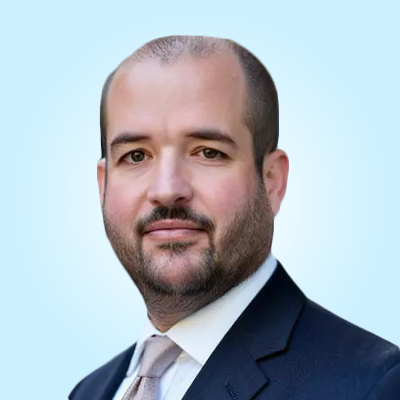
Emil J. Ali
Partner
McCabe & Ali, LLP
McCabe & Ali, LLP
Emil J. Ali is a partner at McCabe & Ali, LLP where he focuses his practice on helping lawyers understand their obligations under state and federal law. As a registered patent attorney, a significant focus of his practice involves advising lawyers and law firms on all aspects of the intersection of IP and ethics matters. Emil’s work includes counseling clients on lateral transitions, malpractice avoidance, expert opinion and testimony, and respondent’s defense work before various bars and courts. You can view his musings on IP ethics issues at www.ipethicslaw.com.


Michael McCabe
Managing Partner
McCabe & Ali, LLP
McCabe & Ali, LLP
Michael McCabe. is the Managing Partner of McCabe Ali LLP, with offices in Washington, D.C. and Los Angeles. Michael has practiced IP law for over 32 years and is a registered patent attorney. Michael’s practice focuses on the intersection of IP and ethics. He has represented hundreds of patent, trademark and intellectual property practitioners in federal ethics investigations, sanctions issues, disciplinary trials, and other professional misconduct matters before the USPTO and various state bars. Michael regularly consults with lawyers and law firm management on risk management, ethics compliance, and internal investigations. He also serves as a consulting or testifying expert witness on professional conduct and malpractice issues before state and federal tribunals. Michael is the immediate past Chair of the ABA IP Section’s Professional Issues Division and a faculty member of the Virginia State Bar mandatory Ethics and Professionalism Course for new bar members. Read More ›
Continuing Legal Education (CLE) Credits
Lawyers: To receive CLE credit, you must verify your law license for free in the Justia Lawyer Directory to become a Justia Connect Practice member. Depending on the jurisdiction or course, you may be eligible for free CLE credit or may need to upgrade your membership to Justia Connect Pro. Check CLE terms for full details.
Alabama CLE
Status: Approved
Format: On-Demand
Credits: 1.00 Ethics
Earn Credit Until: December 31, 2026
Alaska CLE
Status: Approved
Format: Live (Virtual), On-Demand
Credits: 1.00 Ethics
Earn Credit Until: March 24, 2031
California CLE
Status: Approved
Format: On-Demand
Credits: 1.00 Legal Ethics
Earn Credit Until: June 30, 2028
Hawaii CLE
Status: Approved
Format: Live (Virtual), On-Demand
Credits: 1.00 Ethics
Earn Credit Until: March 24, 2028
Illinois CLE
Status: Approved
Format: On-Demand
Credits: 1.00 Professional Responsibility - Ethics / Civility / Professionalism / Sexual Harassment Prevention
Earn Credit Until: March 24, 2028
Nebraska CLE
Status: Approved
Format: On-Demand
Credits: 1.00 Professional Responsibility
Earn Credit Until: March 25, 2028
New Jersey CLE
Status: Approved
Format: Live (Virtual), On-Demand
Credits: 1.20 Ethics/Professionalism
Earn Credit Until: March 24, 2027
North Carolina CLE
Status: Approved
Format: On-Demand
Credits: 1.00 Ethics
Earn Credit Until: February 28, 2027
Ohio CLE
Status: Approved
Format: On-Demand
Credits: 1.00 Attorney Professional Conduct
Earn Credit Until: December 31, 2026
Pennsylvania CLE
Status: Approved
Format: On-Demand
Credits: 1.00 Ethics, Professionalism, or Substance Abuse
Earn Credit Until: March 24, 2028
South Carolina CLE
Status: Approved
Format: Live (Virtual), On-Demand
Credits: 1.00 Legal Ethics/Professional Responsibility
Difficulty: All Levels
Earn Credit Until: December 31, 2026
Texas CLE
Status: Approved
Format: On-Demand
Credits: 1.00 Legal Ethics/Professional Responsibility
Earn Credit Until: February 28, 2027
Utah CLE
Status: Approved
Format: On-Demand
Credits: 1.00 Ethics
Earn Credit Until: December 31, 2026
Vermont CLE
Status: Approved
Format: Live (Virtual), On-Demand
Credits: 1.00 Ethics
Earn Credit Until: March 25, 2031
West Virginia CLE
Status: Approved
Format: On-Demand
Credits: 1.20 Legal Ethics, etc.
Earn Credit Until: December 31, 2029
This presentation is approved for one hour of Ethics CLE credit in Alabama, one hour of Ethics CLE credit in Alaska, one hour of Legal Ethics CLE credit in California, one hour of Ethics CLE credit in Hawaii, one hour of Professional Responsibility - Ethics / Civility / Professionalism / Sexual Harassment Prevention CLE credit in Illinois, one hour of Professional Responsibility CLE credit in Nebraska, one hour of Ethics CLE credit in North Carolina, one hour of Attorney Professional Conduct CLE credit in Ohio, one hour of Ethics, Professionalism, or Substance Abuse CLE credit in Pennsylvania, one hour of Legal Ethics/Professional Responsibility CLE credit in South Carolina (all levels), one hour of Ethics CLE credit in Utah, one hour of Ethics CLE credit in Vermont, and one hour of Legal Ethics, etc. CLE credit in West Virginia. This program has been approved by the Board on Continuing Legal Education of the Supreme Court of New Jersey for 1.20 hours of total CLE credit. Of these, 1.20 qualify as total hours of credit for Ethics/Professionalism. This course has been approved for Minimum Continuing Legal Education credit by the State Bar of Texas Committee on MCLE in the amount of 1.00 credit hours, of which 1.00 credit hours will apply to Legal Ethics/Professional Responsibility credit.
Justia only reports attendance in jurisdictions in which a particular Justia CLE Webinar is officially accredited. Lawyers may need to self-submit their certificates for CLE credit in jurisdictions not listed above.
Note that CLE credit, including partial credit, cannot be earned outside of the relevant accreditation period. To earn credit for a course, a lawyer must watch the entire course within the relevant accreditation period. Lawyers who have viewed a presentation multiple times may not be able to claim credit in their jurisdiction more than once. Justia reserves the right, at its discretion, to grant an attendee partial or no credit, in accordance with viewing duration and other methods of verifying course completion.
At this time, Justia only offers CLE courses officially accredited in certain states. Lawyers may generate a generic attendance certificate to self-submit credit in their own jurisdiction, but Justia does not guarantee that lawyers will receive their desired CLE credit through the self-submission or reciprocity process.
Looking for CLE credit?
Visit CLE Dashboard
Watch Related Videos
CLE
James Gatto
Sheppard Mullin
Beyond Copyright Training
10 Interesting AI Issues Being Litigated
Watch Now

Become a Member to Watch This Webinar
Lawyers: To receive CLE credit, you must verify your law license for free in the Justia Lawyer Directory to become a Justia Connect Practice member. Depending on the jurisdiction or course, you may be eligible for free CLE credit or may need to upgrade your membership to Justia Connect Pro. Check CLE terms for full details.
Free Justia Connect Memberships are available to lawyers, other legal professionals, students, and all law enthusiasts.
Log In NowNot a Member? Get Connected for Free
Lawyers: To receive CLE credit, you must verify your law license for free in the Justia Lawyer Directory to become a Justia Connect Practice member. Depending on the jurisdiction or course, you may be eligible for free CLE credit or may need to upgrade your membership to Justia Connect Pro. Check CLE terms for full details.
CLE

Charity Anastasio
The American Immigration Lawyers Association
Conflicts of Interest
Identification, Analysis, and Prevention Systems
Watch Now
Become a Member to Watch This Webinar
Lawyers: To receive CLE credit, you must verify your law license for free in the Justia Lawyer Directory to become a Justia Connect Practice member. Depending on the jurisdiction or course, you may be eligible for free CLE credit or may need to upgrade your membership to Justia Connect Pro. Check CLE terms for full details.
Free Justia Connect Memberships are available to lawyers, other legal professionals, students, and all law enthusiasts.
Log In NowNot a Member? Get Connected for Free
Lawyers: To receive CLE credit, you must verify your law license for free in the Justia Lawyer Directory to become a Justia Connect Practice member. Depending on the jurisdiction or course, you may be eligible for free CLE credit or may need to upgrade your membership to Justia Connect Pro. Check CLE terms for full details.
CLE
Micah Buchdahl
HTMLawyers, Inc.
Marketing, Advertising, and Solicitation Compliance for Law Firms
Watch Now
Become a Member to Watch This Webinar
Lawyers: To receive CLE credit, you must verify your law license for free in the Justia Lawyer Directory to become a Justia Connect Practice member. Depending on the jurisdiction or course, you may be eligible for free CLE credit or may need to upgrade your membership to Justia Connect Pro. Check CLE terms for full details.
Free Justia Connect Memberships are available to lawyers, other legal professionals, students, and all law enthusiasts.
Log In NowNot a Member? Get Connected for Free
Lawyers: To receive CLE credit, you must verify your law license for free in the Justia Lawyer Directory to become a Justia Connect Practice member. Depending on the jurisdiction or course, you may be eligible for free CLE credit or may need to upgrade your membership to Justia Connect Pro. Check CLE terms for full details.
CLE

Amber Bevacqua-Lynott
Buchalter
Troy J. Wood
Reuter Corbett, LLP
Say What?
Ethical Obligations and Avoiding Missteps in Client Communication
Watch Now
Become a Member to Watch This Webinar
Lawyers: To receive CLE credit, you must verify your law license for free in the Justia Lawyer Directory to become a Justia Connect Practice member. Depending on the jurisdiction or course, you may be eligible for free CLE credit or may need to upgrade your membership to Justia Connect Pro. Check CLE terms for full details.
Free Justia Connect Memberships are available to lawyers, other legal professionals, students, and all law enthusiasts.
Log In NowNot a Member? Get Connected for Free
Lawyers: To receive CLE credit, you must verify your law license for free in the Justia Lawyer Directory to become a Justia Connect Practice member. Depending on the jurisdiction or course, you may be eligible for free CLE credit or may need to upgrade your membership to Justia Connect Pro. Check CLE terms for full details.
CLE


Jennie Woltz
Woltz & Folkinshteyn, P.C.
Jeffrey J. Cunningham
Cohen Cunningham DeRose Higgins Lyon LLP
Benjamin Folkinshteyn
Woltz & Folkinshteyn, P.C.
Full-On Monet
AI in the Workplace, Legal Ethics, and Law Firm Risk Management
Watch Now
Become a Member to Watch This Webinar
Lawyers: To receive CLE credit, you must verify your law license for free in the Justia Lawyer Directory to become a Justia Connect Practice member. Depending on the jurisdiction or course, you may be eligible for free CLE credit or may need to upgrade your membership to Justia Connect Pro. Check CLE terms for full details.
Free Justia Connect Memberships are available to lawyers, other legal professionals, students, and all law enthusiasts.
Log In NowNot a Member? Get Connected for Free
Lawyers: To receive CLE credit, you must verify your law license for free in the Justia Lawyer Directory to become a Justia Connect Practice member. Depending on the jurisdiction or course, you may be eligible for free CLE credit or may need to upgrade your membership to Justia Connect Pro. Check CLE terms for full details.
CLE

Daniel J. Siegel
Attorney
IOLTA and Fee Agreements
Avoiding Common Ethical Pitfalls
Watch Now
Become a Member to Watch This Webinar
Lawyers: To receive CLE credit, you must verify your law license for free in the Justia Lawyer Directory to become a Justia Connect Practice member. Depending on the jurisdiction or course, you may be eligible for free CLE credit or may need to upgrade your membership to Justia Connect Pro. Check CLE terms for full details.
Free Justia Connect Memberships are available to lawyers, other legal professionals, students, and all law enthusiasts.
Log In NowNot a Member? Get Connected for Free
Lawyers: To receive CLE credit, you must verify your law license for free in the Justia Lawyer Directory to become a Justia Connect Practice member. Depending on the jurisdiction or course, you may be eligible for free CLE credit or may need to upgrade your membership to Justia Connect Pro. Check CLE terms for full details.
CLE


Ian Comisky
Fox Rothschild LLP
Bryan Skarlatos
Kostelanetz LLP
Attorney Client Privilege Update
Identity, Crime Fraud and the Attorney As Whistleblower
Watch Now
Become a Member to Watch This Webinar
Lawyers: To receive CLE credit, you must verify your law license for free in the Justia Lawyer Directory to become a Justia Connect Practice member. Depending on the jurisdiction or course, you may be eligible for free CLE credit or may need to upgrade your membership to Justia Connect Pro. Check CLE terms for full details.
Free Justia Connect Memberships are available to lawyers, other legal professionals, students, and all law enthusiasts.
Log In NowNot a Member? Get Connected for Free
Lawyers: To receive CLE credit, you must verify your law license for free in the Justia Lawyer Directory to become a Justia Connect Practice member. Depending on the jurisdiction or course, you may be eligible for free CLE credit or may need to upgrade your membership to Justia Connect Pro. Check CLE terms for full details.
CLE


Ashley Hallene
Demeter Land Development
Jeffrey Allen
Graves & Allen
Cybersecurity 101 for Lawyers
Ethical and Practical Considerations
Watch Now
Become a Member to Watch This Webinar
Lawyers: To receive CLE credit, you must verify your law license for free in the Justia Lawyer Directory to become a Justia Connect Practice member. Depending on the jurisdiction or course, you may be eligible for free CLE credit or may need to upgrade your membership to Justia Connect Pro. Check CLE terms for full details.
Free Justia Connect Memberships are available to lawyers, other legal professionals, students, and all law enthusiasts.
Log In NowNot a Member? Get Connected for Free
Lawyers: To receive CLE credit, you must verify your law license for free in the Justia Lawyer Directory to become a Justia Connect Practice member. Depending on the jurisdiction or course, you may be eligible for free CLE credit or may need to upgrade your membership to Justia Connect Pro. Check CLE terms for full details.
CLE

Brian S. Quinn
Lawyers Concerned for Lawyers of Pennsylvania
The Burned Out Lawyer
An Occupational Hazard?
Watch Now
Become a Member to Watch This Webinar
Lawyers: To receive CLE credit, you must verify your law license for free in the Justia Lawyer Directory to become a Justia Connect Practice member. Depending on the jurisdiction or course, you may be eligible for free CLE credit or may need to upgrade your membership to Justia Connect Pro. Check CLE terms for full details.
Free Justia Connect Memberships are available to lawyers, other legal professionals, students, and all law enthusiasts.
Log In NowNot a Member? Get Connected for Free
Lawyers: To receive CLE credit, you must verify your law license for free in the Justia Lawyer Directory to become a Justia Connect Practice member. Depending on the jurisdiction or course, you may be eligible for free CLE credit or may need to upgrade your membership to Justia Connect Pro. Check CLE terms for full details.
CLE

Melissa Silverstein
The Healed Professional
Rethinking Alcohol in Legal Culture
A Leadership Framework
Watch Now
Become a Member to Watch This Webinar
Lawyers: To receive CLE credit, you must verify your law license for free in the Justia Lawyer Directory to become a Justia Connect Practice member. Depending on the jurisdiction or course, you may be eligible for free CLE credit or may need to upgrade your membership to Justia Connect Pro. Check CLE terms for full details.
Free Justia Connect Memberships are available to lawyers, other legal professionals, students, and all law enthusiasts.
Log In NowNot a Member? Get Connected for Free
Lawyers: To receive CLE credit, you must verify your law license for free in the Justia Lawyer Directory to become a Justia Connect Practice member. Depending on the jurisdiction or course, you may be eligible for free CLE credit or may need to upgrade your membership to Justia Connect Pro. Check CLE terms for full details.


