


What We Could Be Now
Civility and Ethics 2025
CLE

Jim Doppke
Robinson, Stewart, Montgomery & Doppke, LLC


What We Could Be Now: Civility and Ethics 2025
Lawyers always have an obligation to be civil — to one another, to opponents, to judges and other tribunals. But it can be difficult to balance civility and zealous advocacy, and to navigate changing environments and expectations. In this presentation, we’ll examine the ethical rules and principles that guide lawyers in crafting their approaches to each other and to the public, and we’ll examine what can happen when lines are crossed. We’ll review recent studies, proposals, and rules that seek to analyze and affect lawyers’ behavior, and we’ll examine what the boundaries of the profession’s regulation of civility are — and what they should be.
Topics covered include:
Agenda:
Read More
›
- Introduction: Civility Generally
- In this section, we will examine the concept of civility, including how it is referred to and refined in the Preamble to ABA Model Rules
- We will also discuss zealous advocacy, and how it relates to — or sometimes conflicts with — civility
- Incivility in Practice: Incidents and Cases
- In this section, we will review fact patterns in which lawyers have had difficulty behaving in a civil matter
- The speaker will provide an anecdote from his own practice involving an agitated attorney, and we will then discuss two disciplinary cases (In re Gomez; In re Cohn) in which lawyers were sanctioned for uncivil conduct
- Developing Studies and Approaches to Civility
- In this section, we will discuss the work of several studies and task forces bearing on lawyer civility
- We will discuss the report of the California Civility Task Force and the Illinois study on bullying in the legal profession
- Finally, we will review the recently-enacted Rule 8.4(j) of the Illinois Rules of Professional Conduct, and we will discuss what its implementation means for lawyer regulation nationwide
- Civility in Responding to Negative Reviews
- In this section, we will review relevant rules and commentary that guide lawyers in their responses to negative reviews
- We will examine the definition of a “controversy” between a lawyer and client for purposes of Rule 1.6, and we will discuss common and accepted methods of handling negative reviews
- We will also review two disciplinary cases (In re Conry; In re Tsamis) in which lawyers were sanctioned for incorrect responses to reviews
- Questions & Answers (as time permits)
Duration of this webinar:
60 minutes
Originally broadcast:
May 27, 2025 9:00 AM PT
Webinar Highlights
This webinar is divided into section summaries, which you can scan for key points and then dive into the sections that interest you the most.
James Doppke has a background in professional responsibility and legal ethics. James discusses the title of his presentation, explaining its musical inspiration and the importance of understanding communication and interpretation. He emphasizes the significance of civility and ethics in the legal profession, setting the stage for the webinar's focus.
James reflects on the aspirational nature of the presentation title, linking it to the profession's current state and potential. He explores the concept of civility in legal practice, focusing on communication, interpretation, and reaction. The discussion includes the role of professional conduct rules in restraining behavior and communication. James examines the idea of partnership and adversarial relationships in the legal profession. He references the ABA Model Rules, emphasizing lawyers' roles as public citizens seeking improvements in the legal system.
James delves into the concept of zealous advocacy, highlighting its application beyond courtroom settings. He discusses the balance between zeal and civility, noting the challenges of maintaining equanimity in advocacy. The evolution of communication technology is acknowledged as a factor influencing civility and advocacy. James reflects on the changes in legal practice since he was licensed, emphasizing the impact of rapid communication. He underscores the importance of balancing client demands with professional obligations, including cooperation with adversaries.
James shares experiences from his time as an ethics prosecutor, illustrating the impact of heightened emotions on civility. He recounts a disciplinary case involving uncivil communication, highlighting the consequences of crossing ethical lines. The case involved inappropriate language and threats, leading to a significant suspension for the lawyer involved. James discusses the balance between First Amendment rights and professional conduct, noting limitations on verbal abuse. He emphasizes the importance of maintaining civility in professional interactions, even under pressure.
James discusses a California civility task force report, recommending additional civility training and rule changes. The report suggests annual affirmations of civility by lawyers, emphasizing dignity, courtesy, and integrity. James highlights a study on bullying in the legal profession, noting its disproportionate impact on marginalized groups. He introduces Illinois Rule 8.4 J, addressing harassment and discrimination in legal practice. The rule allows disciplinary action without prior findings by other agencies, marking a shift in enforcement.
James addresses the ethical considerations of responding to negative reviews, emphasizing confidentiality rules. He outlines options for handling negative reviews, including non-response and reputation management strategies. James advises caution in responding to reviews, highlighting the risks of revealing confidential information. He shares examples of disciplinary cases involving inappropriate responses to negative reviews. James encourages analytical approaches to negative feedback, promoting civility and professionalism.
James discusses the confidentiality of lawsuit outcomes, advising client consent for public disclosure. He reflects on generational differences in civility, suggesting mentorship adaptations to bridge communication gaps. James considers the impact of emerging technologies, like AI, on ethical duties of competence and candor. He highlights the importance of careful use of AI to avoid ethical breaches and maintain civility.
Please note this AI-generated summary provides a general overview of the webinar but may not capture all details, nuances, or the exact words of the speaker. For complete accuracy, please refer to the original webinar recording.
Speaker
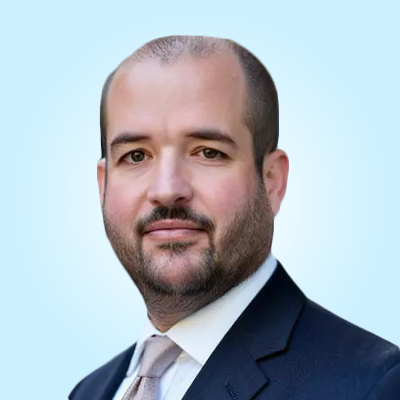
Jim Doppke
Partner
Robinson, Stewart, Montgomery & Doppke, LLC
Robinson, Stewart, Montgomery & Doppke, LLC
James A. Doppke, Jr. is a partner in the Chicago firm of Robinson, Stewart, Montgomery & Doppke, LLC. Since 2013, he has concentrated his practice in professional responsibility issues of all kinds, including disciplinary defense and bar admissions, and consultation on legal ethics issues. Prior to that, Jim was Senior Counsel for the Illinois Attorney Registration and Disciplinary Commission. There, he handled the investigation and prosecution of numerous attorney misconduct matters. He has also participated in presenting many MCLE- and PMCLE-accredited programs on legal ethics issues, including at ABA and ISBA conferences. Prior to working for the ARDC, Jim worked as a staff attorney at a legal aid agency in Will County. Jim is a graduate of Loyola University Chicago School of Law, and he received his B.A. from the University of Notre Dame. Read More ›


Continuing Legal Education (CLE) Credits
Lawyers: To receive CLE credit, you must verify your law license for free in the Justia Lawyer Directory to become a Justia Connect Practice member. Depending on the jurisdiction or course, you may be eligible for free CLE credit or may need to upgrade your membership to Justia Connect Pro. Check CLE terms for full details.
California CLE
Status: Approved
Format: On-Demand
Credits: 1.00 Civility in the Legal Profession
Earn Credit Until: June 30, 2028
This presentation is approved for one hour of Civility in the Legal Profession CLE credit in California.
Justia only reports attendance in jurisdictions in which a particular Justia CLE Webinar is officially accredited. Lawyers may need to self-submit their certificates for CLE credit in jurisdictions not listed above.
Note that CLE credit, including partial credit, cannot be earned outside of the relevant accreditation period. To earn credit for a course, a lawyer must watch the entire course within the relevant accreditation period. Lawyers who have viewed a presentation multiple times may not be able to claim credit in their jurisdiction more than once. Justia reserves the right, at its discretion, to grant an attendee partial or no credit, in accordance with viewing duration and other methods of verifying course completion.
At this time, Justia only offers CLE courses officially accredited in certain states. Lawyers may generate a generic attendance certificate to self-submit credit in their own jurisdiction, but Justia does not guarantee that lawyers will receive their desired CLE credit through the self-submission or reciprocity process.
Looking for CLE credit?
Visit CLE Dashboard

Watch Related Videos
CLE

Mike Yagercik
Lawyers Concerned for Lawyers of Pennsylvania
Order in the Court
Tackling Bullying in the Legal Profession
Watch Now

Become a Member to Watch This Webinar
Lawyers: To receive CLE credit, you must verify your law license for free in the Justia Lawyer Directory to become a Justia Connect Practice member. Depending on the jurisdiction or course, you may be eligible for free CLE credit or may need to upgrade your membership to Justia Connect Pro. Check CLE terms for full details.
Free Justia Connect Memberships are available to lawyers, other legal professionals, students, and all law enthusiasts.
Log In NowNot a Member? Get Connected for Free
Lawyers: To receive CLE credit, you must verify your law license for free in the Justia Lawyer Directory to become a Justia Connect Practice member. Depending on the jurisdiction or course, you may be eligible for free CLE credit or may need to upgrade your membership to Justia Connect Pro. Check CLE terms for full details.
CLE

Nance Schick
Third Ear Conflict Resolution
Partnership, Not Replacement
Leveraging Human Capacity in the Era of Algorithmic Workplace Management
Watch Now
Become a Member to Watch This Webinar
Lawyers: To receive CLE credit, you must verify your law license for free in the Justia Lawyer Directory to become a Justia Connect Practice member. Depending on the jurisdiction or course, you may be eligible for free CLE credit or may need to upgrade your membership to Justia Connect Pro. Check CLE terms for full details.
Free Justia Connect Memberships are available to lawyers, other legal professionals, students, and all law enthusiasts.
Log In NowNot a Member? Get Connected for Free
Lawyers: To receive CLE credit, you must verify your law license for free in the Justia Lawyer Directory to become a Justia Connect Practice member. Depending on the jurisdiction or course, you may be eligible for free CLE credit or may need to upgrade your membership to Justia Connect Pro. Check CLE terms for full details.
CLE

Charity Anastasio
The American Immigration Lawyers Association
Conflicts of Interest
Identification, Analysis, and Prevention Systems
Watch Now
Become a Member to Watch This Webinar
Lawyers: To receive CLE credit, you must verify your law license for free in the Justia Lawyer Directory to become a Justia Connect Practice member. Depending on the jurisdiction or course, you may be eligible for free CLE credit or may need to upgrade your membership to Justia Connect Pro. Check CLE terms for full details.
Free Justia Connect Memberships are available to lawyers, other legal professionals, students, and all law enthusiasts.
Log In NowNot a Member? Get Connected for Free
Lawyers: To receive CLE credit, you must verify your law license for free in the Justia Lawyer Directory to become a Justia Connect Practice member. Depending on the jurisdiction or course, you may be eligible for free CLE credit or may need to upgrade your membership to Justia Connect Pro. Check CLE terms for full details.
CLE

Micah Buchdahl
HTMLawyers, Inc.
Marketing, Advertising, and Solicitation Compliance for Law Firms
Watch Now
Become a Member to Watch This Webinar
Lawyers: To receive CLE credit, you must verify your law license for free in the Justia Lawyer Directory to become a Justia Connect Practice member. Depending on the jurisdiction or course, you may be eligible for free CLE credit or may need to upgrade your membership to Justia Connect Pro. Check CLE terms for full details.
Free Justia Connect Memberships are available to lawyers, other legal professionals, students, and all law enthusiasts.
Log In NowNot a Member? Get Connected for Free
Lawyers: To receive CLE credit, you must verify your law license for free in the Justia Lawyer Directory to become a Justia Connect Practice member. Depending on the jurisdiction or course, you may be eligible for free CLE credit or may need to upgrade your membership to Justia Connect Pro. Check CLE terms for full details.
CLE


Amber Bevacqua-Lynott
Buchalter
Troy J. Wood
Reuter Corbett, LLP
Say What?
Ethical Obligations and Avoiding Missteps in Client Communication
Watch Now
Become a Member to Watch This Webinar
Lawyers: To receive CLE credit, you must verify your law license for free in the Justia Lawyer Directory to become a Justia Connect Practice member. Depending on the jurisdiction or course, you may be eligible for free CLE credit or may need to upgrade your membership to Justia Connect Pro. Check CLE terms for full details.
Free Justia Connect Memberships are available to lawyers, other legal professionals, students, and all law enthusiasts.
Log In NowNot a Member? Get Connected for Free
Lawyers: To receive CLE credit, you must verify your law license for free in the Justia Lawyer Directory to become a Justia Connect Practice member. Depending on the jurisdiction or course, you may be eligible for free CLE credit or may need to upgrade your membership to Justia Connect Pro. Check CLE terms for full details.
CLE


Jennie Woltz
Woltz & Folkinshteyn, P.C.
Jeffrey J. Cunningham
Cohen Cunningham DeRose Higgins Lyon LLP
Benjamin Folkinshteyn
Woltz & Folkinshteyn, P.C.
Full-On Monet
AI in the Workplace, Legal Ethics, and Law Firm Risk Management
Watch Now
Become a Member to Watch This Webinar
Lawyers: To receive CLE credit, you must verify your law license for free in the Justia Lawyer Directory to become a Justia Connect Practice member. Depending on the jurisdiction or course, you may be eligible for free CLE credit or may need to upgrade your membership to Justia Connect Pro. Check CLE terms for full details.
Free Justia Connect Memberships are available to lawyers, other legal professionals, students, and all law enthusiasts.
Log In NowNot a Member? Get Connected for Free
Lawyers: To receive CLE credit, you must verify your law license for free in the Justia Lawyer Directory to become a Justia Connect Practice member. Depending on the jurisdiction or course, you may be eligible for free CLE credit or may need to upgrade your membership to Justia Connect Pro. Check CLE terms for full details.
CLE

Daniel J. Siegel
Attorney
IOLTA and Fee Agreements
Avoiding Common Ethical Pitfalls
Watch Now
Become a Member to Watch This Webinar
Lawyers: To receive CLE credit, you must verify your law license for free in the Justia Lawyer Directory to become a Justia Connect Practice member. Depending on the jurisdiction or course, you may be eligible for free CLE credit or may need to upgrade your membership to Justia Connect Pro. Check CLE terms for full details.
Free Justia Connect Memberships are available to lawyers, other legal professionals, students, and all law enthusiasts.
Log In NowNot a Member? Get Connected for Free
Lawyers: To receive CLE credit, you must verify your law license for free in the Justia Lawyer Directory to become a Justia Connect Practice member. Depending on the jurisdiction or course, you may be eligible for free CLE credit or may need to upgrade your membership to Justia Connect Pro. Check CLE terms for full details.
CLE


Ian Comisky
Fox Rothschild LLP
Bryan Skarlatos
Kostelanetz LLP
Attorney Client Privilege Update
Identity, Crime Fraud and the Attorney As Whistleblower
Watch Now
Become a Member to Watch This Webinar
Lawyers: To receive CLE credit, you must verify your law license for free in the Justia Lawyer Directory to become a Justia Connect Practice member. Depending on the jurisdiction or course, you may be eligible for free CLE credit or may need to upgrade your membership to Justia Connect Pro. Check CLE terms for full details.
Free Justia Connect Memberships are available to lawyers, other legal professionals, students, and all law enthusiasts.
Log In NowNot a Member? Get Connected for Free
Lawyers: To receive CLE credit, you must verify your law license for free in the Justia Lawyer Directory to become a Justia Connect Practice member. Depending on the jurisdiction or course, you may be eligible for free CLE credit or may need to upgrade your membership to Justia Connect Pro. Check CLE terms for full details.
CLE


Ashley Hallene
Demeter Land Development
Jeffrey Allen
Graves & Allen
Cybersecurity 101 for Lawyers
Ethical and Practical Considerations
Watch Now
Become a Member to Watch This Webinar
Lawyers: To receive CLE credit, you must verify your law license for free in the Justia Lawyer Directory to become a Justia Connect Practice member. Depending on the jurisdiction or course, you may be eligible for free CLE credit or may need to upgrade your membership to Justia Connect Pro. Check CLE terms for full details.
Free Justia Connect Memberships are available to lawyers, other legal professionals, students, and all law enthusiasts.
Log In NowNot a Member? Get Connected for Free
Lawyers: To receive CLE credit, you must verify your law license for free in the Justia Lawyer Directory to become a Justia Connect Practice member. Depending on the jurisdiction or course, you may be eligible for free CLE credit or may need to upgrade your membership to Justia Connect Pro. Check CLE terms for full details.
CLE

Brian S. Quinn
Lawyers Concerned for Lawyers of Pennsylvania
The Burned Out Lawyer
An Occupational Hazard?
Watch Now
Become a Member to Watch This Webinar
Lawyers: To receive CLE credit, you must verify your law license for free in the Justia Lawyer Directory to become a Justia Connect Practice member. Depending on the jurisdiction or course, you may be eligible for free CLE credit or may need to upgrade your membership to Justia Connect Pro. Check CLE terms for full details.
Free Justia Connect Memberships are available to lawyers, other legal professionals, students, and all law enthusiasts.
Log In NowNot a Member? Get Connected for Free
Lawyers: To receive CLE credit, you must verify your law license for free in the Justia Lawyer Directory to become a Justia Connect Practice member. Depending on the jurisdiction or course, you may be eligible for free CLE credit or may need to upgrade your membership to Justia Connect Pro. Check CLE terms for full details.


