


You Can’t Do That!
Ethics Issues and Concerns in Law Marketing and Solicitation
CLE
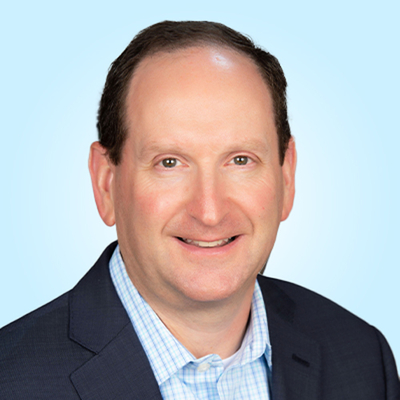
Micah Buchdahl
HTMLawyers, Inc.


You Can’t Do That! Ethics Issues and Concerns in Law Marketing and Solicitation
The legal marketplace is just getting more crowded. Can I market in states where I’m not licensed to practice law? It’s complicated. What Rules of Professional Conduct apply, why, and where? That can be complicated too. This program examines the evolving ethical challenges in legal marketing, advertising, and client outreach, providing attorneys with strategies to guide compliance in an increasingly competitive landscape. Attendees will gain practical insights into state bar regulations, digital marketing risks, and best practices for mitigating disciplinary concerns. With marketing ethics becoming more complex, no law firm — regardless of size or practice area — is immune.
Topics covered include:
Agenda:
Read More
›
- Bates v. Arizona
- U.S. Supreme Court advertising ethics decisions
- Recent legal issues in law firm advertising
- Marketing Ethical Considerations
- Advertising restrictions
- Attorney/client relationship
- Competence
- Confidentiality
- Conflicts
- Unauthorized practice of law
- Multi-state jurisdiction
- Solicitation
- Fee-sharing
- Filing a Grievance
- ABA Model Rules, State Variances
- Rules 7.1, 7.2, 7.3
- Rules 5.5, 8.5
- Compliance With Marketing Tools
- Lead generators
- Ratings and rankings
- Reviews
- Which Ethics Rules Rule?
- Websites and blogs
- Email communications
- PR and media relations
- Podcasts, books
- Compliance
- Disclaimers
- State-specific rules
- Questions & Answers (as time permits)
Duration of this webinar:
60 minutes
Originally broadcast:
November 18, 2025 11:00 AM PT
Webinar Highlights
This webinar is divided into section summaries, which you can scan for key points and then dive into the sections that interest you the most.
Micah discusses the historical context of legal advertising, referencing the Bates v. Arizona case from 1977. He emphasizes the shift from traditional advertising methods to digital marketing in the legal industry. Micah clarifies that the examples used in the presentation are not indicative of unethical practices.
Micah explores ethical considerations in legal marketing, focusing on advertising restrictions and the creation of attorney-client relationships. He highlights issues of competence, confidentiality, and conflict checks in digital marketing. Micah discusses unauthorized practice of law, multi-state jurisdictional issues, and fee sharing concerns. He notes the influence of management service organizations and alternative business structures on advertising. Micah emphasizes the importance of understanding ABA model rules related to advertising and solicitation.
Micah explains the variability in state interpretations of advertising and solicitation rules. He highlights the importance of understanding exceptions to solicitation, such as family members and current clients. Micah discusses recent legislative changes in California and Missouri regarding fee sharing and solicitation. He emphasizes the need for careful targeting in social media advertising to avoid violations. Micah advises on the importance of proper licensing and co-counsel arrangements in advertising.
Micah addresses the complexities of solicitation, including the use of press releases as advertising. He discusses the disqualification of a law firm due to misleading press releases and the implications for advertising. Micah highlights the challenges of enforcement and risk assessment in states with varying levels of oversight. He explores intellectual property issues related to advertising, such as the use of trademarked materials. Micah emphasizes the importance of understanding state-specific rules and the role of competitors in monitoring compliance. He explores recent legislative changes in Texas regarding digital solicitation and media outreach.
Micah explores the role of social media and online reviews in legal marketing, emphasizing compliance with advertising rules. He discusses the challenges of managing online reviews and the importance of responding appropriately. Micah highlights the significance of ratings, rankings, and reviews in marketing, noting state-specific requirements. He addresses the complexities of keyword purchases and the implications for deceptive practices. Micah emphasizes the importance of understanding state-specific rules for advertising and marketing.
Micah discusses the impact of AI on legal marketing, emphasizing the importance of compliance with professional conduct rules. He highlights the challenges of using AI-generated content and the need for careful oversight. Micah explores record retention policies and the importance of maintaining advertising records. He discusses the distinction between paying for referrals and advertising costs. Micah emphasizes the importance of understanding state-specific disclaimer requirements and ad filing processes.
Please note this AI-generated summary provides a general overview of the webinar but may not capture all details, nuances, or the exact words of the speaker. For complete accuracy, please refer to the original webinar recording.
Speaker
Micah Buchdahl
Attorney
HTMLawyers, Inc.
HTMLawyers, Inc.
Micah Buchdahl is an ethics attorney focused on assisting law firms with business development initiatives. In 2023, he received the Samuel S. Smith Award, the highest honor bestowed by the American Bar Association Law Practice Division, recognizing an individual who has demonstrated outstanding lifetime achievement in the field of law practice management. Based in Moorestown, New Jersey, he is president of HTMLawyers, Inc., a law marketing company, which he founded in 2001. Read More ›


Continuing Legal Education (CLE) Credits
Lawyers: To receive CLE credit, you must verify your law license for free in the Justia Lawyer Directory to become a Justia Connect Practice member. Depending on the jurisdiction or course, you may be eligible for free CLE credit or may need to upgrade your membership to Justia Connect Pro. Check CLE terms for full details.
California CLE
Status: Approved
Format: On-Demand
Credits: 1.00 Legal Ethics
Earn Credit Until: June 30, 2028
Illinois CLE
Status: Approved
Format: On-Demand
Credits: 1.00 Professional Responsibility - Ethics / Civility / Professionalism / Sexual Harassment Prevention
Earn Credit Until: December 31, 2026
New Jersey CLE
Status: Approved
Format: Live (Virtual), On-Demand
Credits: 1.20 Ethics/Professionalism
Earn Credit Until: November 17, 2026
Ohio CLE
Status: Approved
Format: On-Demand
Credits: 1.00 Attorney Professional Conduct
Earn Credit Until: December 31, 2026
Pennsylvania CLE
Status: Approved
Format: On-Demand
Credits: 1.00 Ethics, Professionalism, or Substance Abuse
Earn Credit Until: December 31, 2027
Texas CLE
Status: Approved
Format: On-Demand
Credits: 1.00 Legal Ethics/Professional Responsibility
Earn Credit Until: October 31, 2026
This presentation is approved for one hour of Legal Ethics CLE credit in California, one hour of Professional Responsibility - Ethics / Civility / Professionalism / Sexual Harassment Prevention CLE credit in Illinois, one hour of Attorney Professional Conduct CLE credit in Ohio, and one hour of Ethics, Professionalism, or Substance Abuse CLE credit in Pennsylvania. This program has been approved by the Board on Continuing Legal Education of the Supreme Court of New Jersey for 1.20 hours of total CLE credit. Of these, 1.20 qualify as total hours of credit for Ethics/Professionalism. This course has been approved for Minimum Continuing Legal Education credit by the State Bar of Texas Committee on MCLE in the amount of 1.00 credit hours, of which 1.00 credit hours will apply to Legal Ethics/Professional Responsibility credit.
Justia only reports attendance in jurisdictions in which a particular Justia CLE Webinar is officially accredited. Lawyers may need to self-submit their certificates for CLE credit in jurisdictions not listed above.
Note that CLE credit, including partial credit, cannot be earned outside of the relevant accreditation period. To earn credit for a course, a lawyer must watch the entire course within the relevant accreditation period. Lawyers who have viewed a presentation multiple times may not be able to claim credit in their jurisdiction more than once. Justia reserves the right, at its discretion, to grant an attendee partial or no credit, in accordance with viewing duration and other methods of verifying course completion.
At this time, Justia only offers CLE courses officially accredited in certain states. Lawyers may generate a generic attendance certificate to self-submit credit in their own jurisdiction, but Justia does not guarantee that lawyers will receive their desired CLE credit through the self-submission or reciprocity process.
Looking for CLE credit?
Visit CLE Dashboard
Watch Related Videos
CLE

Charity Anastasio
The American Immigration Lawyers Association
Conflicts of Interest
Identification, Analysis, and Prevention Systems
Watch Now

Become a Member to Watch This Webinar
Lawyers: To receive CLE credit, you must verify your law license for free in the Justia Lawyer Directory to become a Justia Connect Practice member. Depending on the jurisdiction or course, you may be eligible for free CLE credit or may need to upgrade your membership to Justia Connect Pro. Check CLE terms for full details.
Free Justia Connect Memberships are available to lawyers, other legal professionals, students, and all law enthusiasts.
Log In NowNot a Member? Get Connected for Free
Lawyers: To receive CLE credit, you must verify your law license for free in the Justia Lawyer Directory to become a Justia Connect Practice member. Depending on the jurisdiction or course, you may be eligible for free CLE credit or may need to upgrade your membership to Justia Connect Pro. Check CLE terms for full details.
CLE
Micah Buchdahl
HTMLawyers, Inc.
Marketing, Advertising, and Solicitation Compliance for Law Firms
Watch Now
Become a Member to Watch This Webinar
Lawyers: To receive CLE credit, you must verify your law license for free in the Justia Lawyer Directory to become a Justia Connect Practice member. Depending on the jurisdiction or course, you may be eligible for free CLE credit or may need to upgrade your membership to Justia Connect Pro. Check CLE terms for full details.
Free Justia Connect Memberships are available to lawyers, other legal professionals, students, and all law enthusiasts.
Log In NowNot a Member? Get Connected for Free
Lawyers: To receive CLE credit, you must verify your law license for free in the Justia Lawyer Directory to become a Justia Connect Practice member. Depending on the jurisdiction or course, you may be eligible for free CLE credit or may need to upgrade your membership to Justia Connect Pro. Check CLE terms for full details.
CLE
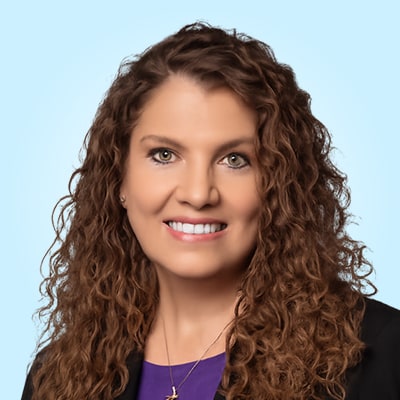

Amber Bevacqua-Lynott
Buchalter
Troy J. Wood
Reuter Corbett, LLP
Say What?
Ethical Obligations and Avoiding Missteps in Client Communication
Watch Now
Become a Member to Watch This Webinar
Lawyers: To receive CLE credit, you must verify your law license for free in the Justia Lawyer Directory to become a Justia Connect Practice member. Depending on the jurisdiction or course, you may be eligible for free CLE credit or may need to upgrade your membership to Justia Connect Pro. Check CLE terms for full details.
Free Justia Connect Memberships are available to lawyers, other legal professionals, students, and all law enthusiasts.
Log In NowNot a Member? Get Connected for Free
Lawyers: To receive CLE credit, you must verify your law license for free in the Justia Lawyer Directory to become a Justia Connect Practice member. Depending on the jurisdiction or course, you may be eligible for free CLE credit or may need to upgrade your membership to Justia Connect Pro. Check CLE terms for full details.
CLE

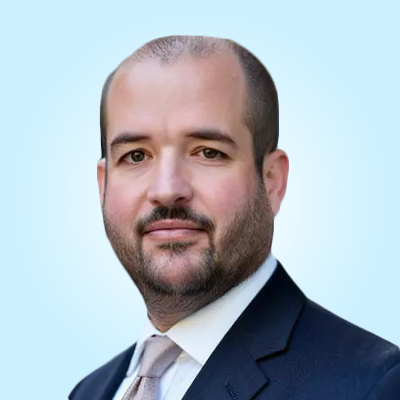

Jennie Woltz
Woltz & Folkinshteyn, P.C.
Jeffrey J. Cunningham
Cohen Cunningham DeRose Higgins Lyon LLP
Benjamin Folkinshteyn
Woltz & Folkinshteyn, P.C.
Full-On Monet
AI in the Workplace, Legal Ethics, and Law Firm Risk Management
Watch Now
Become a Member to Watch This Webinar
Lawyers: To receive CLE credit, you must verify your law license for free in the Justia Lawyer Directory to become a Justia Connect Practice member. Depending on the jurisdiction or course, you may be eligible for free CLE credit or may need to upgrade your membership to Justia Connect Pro. Check CLE terms for full details.
Free Justia Connect Memberships are available to lawyers, other legal professionals, students, and all law enthusiasts.
Log In NowNot a Member? Get Connected for Free
Lawyers: To receive CLE credit, you must verify your law license for free in the Justia Lawyer Directory to become a Justia Connect Practice member. Depending on the jurisdiction or course, you may be eligible for free CLE credit or may need to upgrade your membership to Justia Connect Pro. Check CLE terms for full details.
CLE

Daniel J. Siegel
Attorney
IOLTA and Fee Agreements
Avoiding Common Ethical Pitfalls
Watch Now
Become a Member to Watch This Webinar
Lawyers: To receive CLE credit, you must verify your law license for free in the Justia Lawyer Directory to become a Justia Connect Practice member. Depending on the jurisdiction or course, you may be eligible for free CLE credit or may need to upgrade your membership to Justia Connect Pro. Check CLE terms for full details.
Free Justia Connect Memberships are available to lawyers, other legal professionals, students, and all law enthusiasts.
Log In NowNot a Member? Get Connected for Free
Lawyers: To receive CLE credit, you must verify your law license for free in the Justia Lawyer Directory to become a Justia Connect Practice member. Depending on the jurisdiction or course, you may be eligible for free CLE credit or may need to upgrade your membership to Justia Connect Pro. Check CLE terms for full details.
CLE


Ian Comisky
Fox Rothschild LLP
Bryan Skarlatos
Kostelanetz LLP
Attorney Client Privilege Update
Identity, Crime Fraud and the Attorney As Whistleblower
Watch Now
Become a Member to Watch This Webinar
Lawyers: To receive CLE credit, you must verify your law license for free in the Justia Lawyer Directory to become a Justia Connect Practice member. Depending on the jurisdiction or course, you may be eligible for free CLE credit or may need to upgrade your membership to Justia Connect Pro. Check CLE terms for full details.
Free Justia Connect Memberships are available to lawyers, other legal professionals, students, and all law enthusiasts.
Log In NowNot a Member? Get Connected for Free
Lawyers: To receive CLE credit, you must verify your law license for free in the Justia Lawyer Directory to become a Justia Connect Practice member. Depending on the jurisdiction or course, you may be eligible for free CLE credit or may need to upgrade your membership to Justia Connect Pro. Check CLE terms for full details.
CLE


Ashley Hallene
Demeter Land Development
Jeffrey Allen
Graves & Allen
Cybersecurity 101 for Lawyers
Ethical and Practical Considerations
Watch Now
Become a Member to Watch This Webinar
Lawyers: To receive CLE credit, you must verify your law license for free in the Justia Lawyer Directory to become a Justia Connect Practice member. Depending on the jurisdiction or course, you may be eligible for free CLE credit or may need to upgrade your membership to Justia Connect Pro. Check CLE terms for full details.
Free Justia Connect Memberships are available to lawyers, other legal professionals, students, and all law enthusiasts.
Log In NowNot a Member? Get Connected for Free
Lawyers: To receive CLE credit, you must verify your law license for free in the Justia Lawyer Directory to become a Justia Connect Practice member. Depending on the jurisdiction or course, you may be eligible for free CLE credit or may need to upgrade your membership to Justia Connect Pro. Check CLE terms for full details.
CLE

Brian S. Quinn
Lawyers Concerned for Lawyers of Pennsylvania
The Burned Out Lawyer
An Occupational Hazard?
Watch Now
Become a Member to Watch This Webinar
Lawyers: To receive CLE credit, you must verify your law license for free in the Justia Lawyer Directory to become a Justia Connect Practice member. Depending on the jurisdiction or course, you may be eligible for free CLE credit or may need to upgrade your membership to Justia Connect Pro. Check CLE terms for full details.
Free Justia Connect Memberships are available to lawyers, other legal professionals, students, and all law enthusiasts.
Log In NowNot a Member? Get Connected for Free
Lawyers: To receive CLE credit, you must verify your law license for free in the Justia Lawyer Directory to become a Justia Connect Practice member. Depending on the jurisdiction or course, you may be eligible for free CLE credit or may need to upgrade your membership to Justia Connect Pro. Check CLE terms for full details.
CLE

Melissa Silverstein
The Healed Professional
Rethinking Alcohol in Legal Culture
A Leadership Framework
Watch Now
Become a Member to Watch This Webinar
Lawyers: To receive CLE credit, you must verify your law license for free in the Justia Lawyer Directory to become a Justia Connect Practice member. Depending on the jurisdiction or course, you may be eligible for free CLE credit or may need to upgrade your membership to Justia Connect Pro. Check CLE terms for full details.
Free Justia Connect Memberships are available to lawyers, other legal professionals, students, and all law enthusiasts.
Log In NowNot a Member? Get Connected for Free
Lawyers: To receive CLE credit, you must verify your law license for free in the Justia Lawyer Directory to become a Justia Connect Practice member. Depending on the jurisdiction or course, you may be eligible for free CLE credit or may need to upgrade your membership to Justia Connect Pro. Check CLE terms for full details.
CLE

Greg Siskind
Siskind Susser, PC
AI and Ethics for Lawyers
Practical Guidance for Responsible Use
Watch Now
Become a Member to Watch This Webinar
Lawyers: To receive CLE credit, you must verify your law license for free in the Justia Lawyer Directory to become a Justia Connect Practice member. Depending on the jurisdiction or course, you may be eligible for free CLE credit or may need to upgrade your membership to Justia Connect Pro. Check CLE terms for full details.
Free Justia Connect Memberships are available to lawyers, other legal professionals, students, and all law enthusiasts.
Log In NowNot a Member? Get Connected for Free
Lawyers: To receive CLE credit, you must verify your law license for free in the Justia Lawyer Directory to become a Justia Connect Practice member. Depending on the jurisdiction or course, you may be eligible for free CLE credit or may need to upgrade your membership to Justia Connect Pro. Check CLE terms for full details.


