


Lawyers as Employers
Answering to a Higher Authority
CLE


Jennie Woltz
Woltz & Folkinshteyn, P.C.
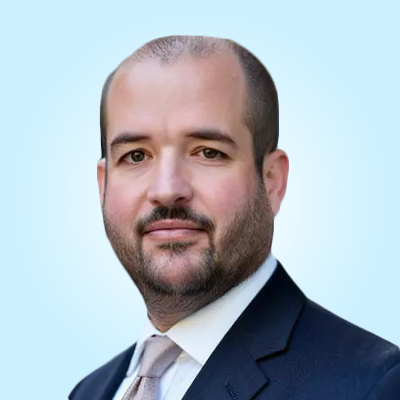
Benjamin Folkinshteyn
Woltz & Folkinshteyn, P.C.
Jeffrey J. Cunningham
Cohen Cunningham DeRose Higgins Lyon LLP


Lawyers as Employers: Answering to a Higher Authority
This webinar will bridge the intersection between employment law and legal ethics by reminding law firm owners that lawyers can be employers too! In today’s presentation, we will discuss the employment law and ethical overlaps inherent in (i) employment discrimination, (ii) social media use and confidentiality, and (iii) culture, mental health & substance abuse/disability claims. In each case, we will highlight where lawyers and law firm owners must be aware of both legal and ethical obligations and provide guidance on how to comply with those obligations.
Topics covered include:
Agenda:
Read More
›
- Overview of Presentation
- Presented by Jeff Cunningham, Jennie Woltz & Benjamin Folkinshteyn
- Overview of ABA Model Rules of Professional Conduct
- Rule 1.1 (Competence)
- Rule 1.3 (Diligence)
- Rule 1.4 (Communication)
- Rule 1.6 (Confidentiality)
- Rule 5.1 (Supervision)
- Rule 5.3 (Nonlawyer Supervision)
- Rule 5.4 (Independence)
- Rule 8.4 (Misconduct: harassment/discrimination)
- Discrimination
- Common presentations in law firms
- Best practices for preventing/mitigating discrimination claims
- Handbooks
- Procedures for raising concerns
- Internal investigations
- Importance of EPLI insurance
- Ethical rules addressing discrimination among lawyers
- Q&A
- Confidentiality and Social Media Use
- Review of legal rules and business needs implicated in confidentiality and social media use
- Review of ethical principles regarding communication and confidentiality, non-discrimination
- Tips for social media policies and trade secret protection
- Substance Abuse, Mental Health and Disability Claims
- Discussion of timeliness of topic
- Overview of federal and state disability laws, as well as complicating/competing laws
- Best practices for avoiding legal issues related to substance abuse, mental health and disability claims
- Case study example
- Q&A
Duration of this webinar:
60 minutes
Originally broadcast:
January 21, 2026 9:00 AM PT
Webinar Highlights
This webinar is divided into section summaries, which you can scan for key points and then dive into the sections that interest you the most.
The speakers, Jennie Woltz, Benjamin Folkinshteyn, and Jeffrey Cunningham, are introduced, each bringing expertise in employment law, dispute resolution, and professional liability. They discuss the importance of recognizing law firms as small businesses and the associated risks of being an employer. They emphasize the need for law firms to be aware of employment-related risks as they grow, regardless of their size or practice area.
The discussion focuses on discrimination within law firms, highlighting various types such as gender, age, race, and disability discrimination. The speakers emphasize the importance of understanding protected classes and preventing discrimination through systems and processes. They share an example of gender discrimination involving a law firm's parental leave policy, illustrating the need for careful communication. The conversation touches on the impact of billable hour expectations and leave policies on different groups, particularly women and those with disabilities. The speakers discuss the challenges of phasing out older workers and the importance of having lawful retirement procedures in place.
The speakers outline best practices for law firms, emphasizing the importance of having compliant handbooks and clear policies. They highlight the role of handbooks in legal compliance and reducing class action risks by providing avenues for complaints. The speakers add that handbook policies are crucial for professional liability and ethics, aiding in risk management across the board. The discussion covers the importance of conducting thorough internal investigations and the benefits of involving outside counsel for objectivity. The section also addresses the significance of insurance coverage, including Employment Practices Liability Insurance, and the responsibilities under Model Rules 5.1 and 5.3.
The conversation shifts to social media and confidentiality, discussing the balance between maintaining client confidentiality and employees' rights. The speakers highlight the risks of social media use, emphasizing the need for clear policies and monitoring to prevent ethical breaches. The discussion includes the challenges of enforcing confidentiality while respecting employees' rights to engage in concerted activity. The importance of having a social media use policy and monitoring employees' online activities is stressed to avoid ethical and legal issues.
The section addresses attorney wellness as a form of risk management, highlighting the prevalence of mental health and substance abuse issues in the legal profession. The speakers emphasize the role of law firms in supporting employees and preventing issues from escalating into malpractice or ethics complaints. The discussion covers the legal obligations under the ADA and FMLA to accommodate employees with disabilities, including those undergoing treatment for substance abuse. The speakers note the increase in mental health accommodation requests and the importance of engaging in an interactive process with employees. The conversation touches on specific state laws, such as New York's rules on lawful off-duty cannabis use, and the implications for law firms.
Please note this AI-generated summary provides a general overview of the webinar but may not capture all details, nuances, or the exact words of the speaker. For complete accuracy, please refer to the original webinar recording.
Speakers
Jennie Woltz
Founding Partner
Woltz & Folkinshteyn, P.C.
Woltz & Folkinshteyn, P.C.
Jennie Woltz has made smart, compassionate employment and labor law solutions the focus of her legal career. Read More ›


Benjamin Folkinshteyn
Founding Attorney
Woltz & Folkinshteyn, P.C.
Woltz & Folkinshteyn, P.C.
Benjamin (Ben) Folkinshteyn has broad experience in domestic and international dispute resolution, including contract and tort matters, corporate governance litigation, as well as insurance litigation and arbitration. He regularly counsels clients on litigation avoidance strategies and legal and business risk assessment. Read More ›
Jeffrey J. Cunningham
Founding Partner & General Counsel
Cohen Cunningham DeRose Higgins Lyon LLP
Cohen Cunningham DeRose Higgins Lyon LLP
Jeffrey J. Cunningham actively defends lawyers and acts as outside General Counsel to small and mid-sized law firms across the United States, while also serving as his firm’s General Counsel. Jeff defends industry professionals in a wide range of professional liability, ethics and professional disciplinary matters. With an emphasis on simple systems of risk management, Jeff brings a holistic approach of protecting our clients before problems occur. Read More ›
Continuing Legal Education (CLE) Credits
Lawyers: To receive CLE credit, you must verify your law license for free in the Justia Lawyer Directory to become a Justia Connect Practice member. Depending on the jurisdiction or course, you may be eligible for free CLE credit or may need to upgrade your membership to Justia Connect Pro. Check CLE terms for full details.
Alabama CLE
Status: Approved
Format: On-Demand
Credits: 1.00 Ethics
Earn Credit Until: December 31, 2026
California CLE
Status: Approved
Format: On-Demand
Credits: 1.00 Legal Ethics
Earn Credit Until: June 30, 2028
Hawaii CLE
Status: Approved
Format: Live (Virtual), On-Demand
Credits: 1.00 Ethics
Earn Credit Until: January 20, 2028
Illinois CLE
Status: Approved
Format: On-Demand
Credits: 1.00 Professional Responsibility - Ethics / Civility / Professionalism / Sexual Harassment Prevention
Earn Credit Until: January 20, 2028
Nebraska CLE
Status: Approved
Format: On-Demand
Credits: 1.00 Professional Responsibility
Earn Credit Until: January 21, 2028
New Jersey CLE
Status: Approved
Format: Live (Virtual), On-Demand
Credits: 1.20 Ethics/Professionalism
Earn Credit Until: January 20, 2027
Ohio CLE
Status: Approved
Format: On-Demand
Credits: 1.00 Attorney Professional Conduct
Earn Credit Until: December 31, 2026
Pennsylvania CLE
Status: Approved
Format: On-Demand
Credits: 1.00 Ethics, Professionalism, or Substance Abuse
Earn Credit Until: January 20, 2028
South Carolina CLE
Status: Approved
Format: Live (Virtual), On-Demand
Credits: 1.00 Legal Ethics/Professional Responsibility
Difficulty: All Levels
Earn Credit Until: December 31, 2026
Texas CLE
Status: Approved
Format: On-Demand
Credits: 1.00 Legal Ethics/Professional Responsibility
Earn Credit Until: December 31, 2026
West Virginia CLE
Status: Approved
Format: On-Demand
Credits: 1.20 Legal Ethics, etc.
Earn Credit Until: December 31, 2029
This presentation is approved for one hour of Ethics CLE credit in Alabama, one hour of Legal Ethics CLE credit in California, one hour of Ethics CLE credit in Hawaii, one hour of Professional Responsibility - Ethics / Civility / Professionalism / Sexual Harassment Prevention CLE credit in Illinois, one hour of Professional Responsibility CLE credit in Nebraska, one hour of Attorney Professional Conduct CLE credit in Ohio, one hour of Ethics, Professionalism, or Substance Abuse CLE credit in Pennsylvania, one hour of Legal Ethics/Professional Responsibility CLE credit in South Carolina (all levels), and one hour of Legal Ethics, etc. CLE credit in West Virginia. This program has been approved by the Board on Continuing Legal Education of the Supreme Court of New Jersey for 1.20 hours of total CLE credit. Of these, 1.20 qualify as total hours of credit for Ethics/Professionalism. This course has been approved for Minimum Continuing Legal Education credit by the State Bar of Texas Committee on MCLE in the amount of 1.00 credit hours, of which 1.00 credit hours will apply to Legal Ethics/Professional Responsibility credit.
Justia only reports attendance in jurisdictions in which a particular Justia CLE Webinar is officially accredited. Lawyers may need to self-submit their certificates for CLE credit in jurisdictions not listed above.
Note that CLE credit, including partial credit, cannot be earned outside of the relevant accreditation period. To earn credit for a course, a lawyer must watch the entire course within the relevant accreditation period. Lawyers who have viewed a presentation multiple times may not be able to claim credit in their jurisdiction more than once. Justia reserves the right, at its discretion, to grant an attendee partial or no credit, in accordance with viewing duration and other methods of verifying course completion.
At this time, Justia only offers CLE courses officially accredited in certain states. Lawyers may generate a generic attendance certificate to self-submit credit in their own jurisdiction, but Justia does not guarantee that lawyers will receive their desired CLE credit through the self-submission or reciprocity process.
Looking for CLE credit?
Visit CLE Dashboard
Watch Related Videos
CLE

Nance Schick
Third Ear Conflict Resolution
Partnership, Not Replacement
Leveraging Human Capacity in the Era of Algorithmic Workplace Management
Watch Now

Become a Member to Watch This Webinar
Lawyers: To receive CLE credit, you must verify your law license for free in the Justia Lawyer Directory to become a Justia Connect Practice member. Depending on the jurisdiction or course, you may be eligible for free CLE credit or may need to upgrade your membership to Justia Connect Pro. Check CLE terms for full details.
Free Justia Connect Memberships are available to lawyers, other legal professionals, students, and all law enthusiasts.
Log In NowNot a Member? Get Connected for Free
Lawyers: To receive CLE credit, you must verify your law license for free in the Justia Lawyer Directory to become a Justia Connect Practice member. Depending on the jurisdiction or course, you may be eligible for free CLE credit or may need to upgrade your membership to Justia Connect Pro. Check CLE terms for full details.
CLE

Mark Conrad
Fordham University, Gabelli School of Business
Sports Law 2026
Major Changes in the Legal Landscape
Watch Now
Become a Member to Watch This Webinar
Lawyers: To receive CLE credit, you must verify your law license for free in the Justia Lawyer Directory to become a Justia Connect Practice member. Depending on the jurisdiction or course, you may be eligible for free CLE credit or may need to upgrade your membership to Justia Connect Pro. Check CLE terms for full details.
Free Justia Connect Memberships are available to lawyers, other legal professionals, students, and all law enthusiasts.
Log In NowNot a Member? Get Connected for Free
Lawyers: To receive CLE credit, you must verify your law license for free in the Justia Lawyer Directory to become a Justia Connect Practice member. Depending on the jurisdiction or course, you may be eligible for free CLE credit or may need to upgrade your membership to Justia Connect Pro. Check CLE terms for full details.
CLE


Ashley Hallene
Demeter Land Development
Jeffrey Allen
Graves & Allen
How Law Firms Can Prevent, Spot, Navigate, and Survive Scams and Cybercrimes
Watch Now
Become a Member to Watch This Webinar
Lawyers: To receive CLE credit, you must verify your law license for free in the Justia Lawyer Directory to become a Justia Connect Practice member. Depending on the jurisdiction or course, you may be eligible for free CLE credit or may need to upgrade your membership to Justia Connect Pro. Check CLE terms for full details.
Free Justia Connect Memberships are available to lawyers, other legal professionals, students, and all law enthusiasts.
Log In NowNot a Member? Get Connected for Free
Lawyers: To receive CLE credit, you must verify your law license for free in the Justia Lawyer Directory to become a Justia Connect Practice member. Depending on the jurisdiction or course, you may be eligible for free CLE credit or may need to upgrade your membership to Justia Connect Pro. Check CLE terms for full details.
CLE

Charity Anastasio
The American Immigration Lawyers Association
Conflicts of Interest
Identification, Analysis, and Prevention Systems
Watch Now
Become a Member to Watch This Webinar
Lawyers: To receive CLE credit, you must verify your law license for free in the Justia Lawyer Directory to become a Justia Connect Practice member. Depending on the jurisdiction or course, you may be eligible for free CLE credit or may need to upgrade your membership to Justia Connect Pro. Check CLE terms for full details.
Free Justia Connect Memberships are available to lawyers, other legal professionals, students, and all law enthusiasts.
Log In NowNot a Member? Get Connected for Free
Lawyers: To receive CLE credit, you must verify your law license for free in the Justia Lawyer Directory to become a Justia Connect Practice member. Depending on the jurisdiction or course, you may be eligible for free CLE credit or may need to upgrade your membership to Justia Connect Pro. Check CLE terms for full details.
CLE

Micah Buchdahl
HTMLawyers, Inc.
Marketing, Advertising, and Solicitation Compliance for Law Firms
Watch Now
Become a Member to Watch This Webinar
Lawyers: To receive CLE credit, you must verify your law license for free in the Justia Lawyer Directory to become a Justia Connect Practice member. Depending on the jurisdiction or course, you may be eligible for free CLE credit or may need to upgrade your membership to Justia Connect Pro. Check CLE terms for full details.
Free Justia Connect Memberships are available to lawyers, other legal professionals, students, and all law enthusiasts.
Log In NowNot a Member? Get Connected for Free
Lawyers: To receive CLE credit, you must verify your law license for free in the Justia Lawyer Directory to become a Justia Connect Practice member. Depending on the jurisdiction or course, you may be eligible for free CLE credit or may need to upgrade your membership to Justia Connect Pro. Check CLE terms for full details.
CLE

Jennifer Sweeton
Sweeton Injury Law, LLC
PTSD 101
Recognizing PTSD & Related Disorders in Legal Clients
Watch Now
Become a Member to Watch This Webinar
Lawyers: To receive CLE credit, you must verify your law license for free in the Justia Lawyer Directory to become a Justia Connect Practice member. Depending on the jurisdiction or course, you may be eligible for free CLE credit or may need to upgrade your membership to Justia Connect Pro. Check CLE terms for full details.
Free Justia Connect Memberships are available to lawyers, other legal professionals, students, and all law enthusiasts.
Log In NowNot a Member? Get Connected for Free
Lawyers: To receive CLE credit, you must verify your law license for free in the Justia Lawyer Directory to become a Justia Connect Practice member. Depending on the jurisdiction or course, you may be eligible for free CLE credit or may need to upgrade your membership to Justia Connect Pro. Check CLE terms for full details.
CLE
Nance Schick
Third Ear Conflict Resolution
Leading Through the "Sandwich" Crisis
A Conflict Triage for 2026
Watch Now
Become a Member to Watch This Webinar
Lawyers: To receive CLE credit, you must verify your law license for free in the Justia Lawyer Directory to become a Justia Connect Practice member. Depending on the jurisdiction or course, you may be eligible for free CLE credit or may need to upgrade your membership to Justia Connect Pro. Check CLE terms for full details.
Free Justia Connect Memberships are available to lawyers, other legal professionals, students, and all law enthusiasts.
Log In NowNot a Member? Get Connected for Free
Lawyers: To receive CLE credit, you must verify your law license for free in the Justia Lawyer Directory to become a Justia Connect Practice member. Depending on the jurisdiction or course, you may be eligible for free CLE credit or may need to upgrade your membership to Justia Connect Pro. Check CLE terms for full details.
CLE
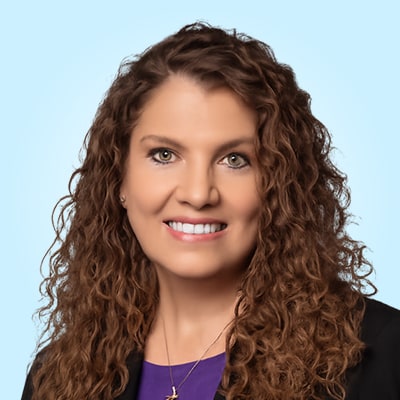

Amber Bevacqua-Lynott
Buchalter
Troy J. Wood
Reuter Corbett, LLP
Say What?
Ethical Obligations and Avoiding Missteps in Client Communication
Watch Now
Become a Member to Watch This Webinar
Lawyers: To receive CLE credit, you must verify your law license for free in the Justia Lawyer Directory to become a Justia Connect Practice member. Depending on the jurisdiction or course, you may be eligible for free CLE credit or may need to upgrade your membership to Justia Connect Pro. Check CLE terms for full details.
Free Justia Connect Memberships are available to lawyers, other legal professionals, students, and all law enthusiasts.
Log In NowNot a Member? Get Connected for Free
Lawyers: To receive CLE credit, you must verify your law license for free in the Justia Lawyer Directory to become a Justia Connect Practice member. Depending on the jurisdiction or course, you may be eligible for free CLE credit or may need to upgrade your membership to Justia Connect Pro. Check CLE terms for full details.
CLE
Jennie Woltz
Woltz & Folkinshteyn, P.C.
Jeffrey J. Cunningham
Cohen Cunningham DeRose Higgins Lyon LLP
Benjamin Folkinshteyn
Woltz & Folkinshteyn, P.C.
Full-On Monet
AI in the Workplace, Legal Ethics, and Law Firm Risk Management
Watch Now
Become a Member to Watch This Webinar
Lawyers: To receive CLE credit, you must verify your law license for free in the Justia Lawyer Directory to become a Justia Connect Practice member. Depending on the jurisdiction or course, you may be eligible for free CLE credit or may need to upgrade your membership to Justia Connect Pro. Check CLE terms for full details.
Free Justia Connect Memberships are available to lawyers, other legal professionals, students, and all law enthusiasts.
Log In NowNot a Member? Get Connected for Free
Lawyers: To receive CLE credit, you must verify your law license for free in the Justia Lawyer Directory to become a Justia Connect Practice member. Depending on the jurisdiction or course, you may be eligible for free CLE credit or may need to upgrade your membership to Justia Connect Pro. Check CLE terms for full details.
CLE

Diana-Marie Laventure
Kaufman Borgeest & Ryan LLP
Smart Technology, Real Consequences
AI, Bias, and Employment Law
Watch Now
Become a Member to Watch This Webinar
Lawyers: To receive CLE credit, you must verify your law license for free in the Justia Lawyer Directory to become a Justia Connect Practice member. Depending on the jurisdiction or course, you may be eligible for free CLE credit or may need to upgrade your membership to Justia Connect Pro. Check CLE terms for full details.
Free Justia Connect Memberships are available to lawyers, other legal professionals, students, and all law enthusiasts.
Log In NowNot a Member? Get Connected for Free
Lawyers: To receive CLE credit, you must verify your law license for free in the Justia Lawyer Directory to become a Justia Connect Practice member. Depending on the jurisdiction or course, you may be eligible for free CLE credit or may need to upgrade your membership to Justia Connect Pro. Check CLE terms for full details.


