


Say What?
Ethical Obligations and Avoiding Missteps in Client Communication
CLE
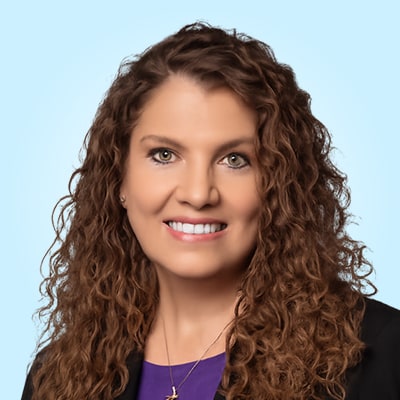

Amber Bevacqua-Lynott
Buchalter
Troy J. Wood
Reuter Corbett, LLP


Say What? Ethical Obligations and Avoiding Missteps in Client Communication
The speakers will discuss the affirmative obligation that all lawyers have to communicate with their clients, and suggest certain practices to ensure that they are not accused of violating RPC 1.4 in a bar complaint.
Topics covered include:
Agenda:
Read More
›
- Introductory Overview and Why Communication Matters
- Overview of the ethical importance of attorney-client communication
- Common causes of disciplinary complaints related to communication failures
- The connection between communication, client trust, and professional responsibility
- The Basics: Understanding Rule 1.4 and Related Duties
- Overview of ABA Model Rule 1.4 and its relationship to Rules 1.1, 1.2, 1.3, 1.5, and 1.6
- Duties to inform, consult with, and explain matters to clients
- What constitutes “reasonable” communication under the Rules
- Informed consent and client decision-making responsibilities
- Applying the Rules: Common Communication Pitfalls
- Communicating developments that materially affect a client’s matter
- Changes in claims, litigation strategy, and case status updates
- Settlement offers and the lawyer’s obligation to communicate and obtain client direction
- Communication responsibilities when clients are unavailable or difficult to reach
- Multiple-client representations and communication with each client
- Attorney transitions, staffing changes, and withdrawal from representation
- Communication Challenges in Modern Practice
- Managing unreasonable or repetitive client requests for information
- Cultural and language competence in client communication
- Ethical considerations when using interpreters and third parties
- Artificial intelligence, client disclosure obligations, and ABA Formal Opinion 512
- Avoiding misunderstandings and ensuring informed client decisions
- Practical Tips and Risk Management Strategies
- Calibrating communication frequency based on the stage of representation
- Best practices for documenting client communications
- Creating defensible records of advice, updates, and client instructions
- Placeholder communications, voicemail logs, and written follow-up practices
- Professionalism, Key Takeaways, and Conclusion
- The role of civility and professionalism in client communication
- Lessons learned from disciplinary matters and malpractice claims
- Practical steps attorneys can implement immediately to reduce communication-related risk
- Q&A (As Time Permits)
Duration of this webinar:
60 minutes
Originally broadcast:
July 16, 2026 10:00 AM PT
Webinar Highlights
This webinar is divided into section summaries, which you can scan for key points and then dive into the sections that interest you the most.
The speakers discuss the importance of communication in legal practice, citing Benjamin Cardozo's view on the privileged burden of bar membership. They note that communication issues are the most common source of complaints from clients. The speakers highlight that complaints often come from clients and opposing parties, not other lawyers. They emphasize the need to minimize risks of bar complaints by managing communication effectively.
The speakers explain the evolution of Model Rule 1.4, which outlines a lawyer's duty to keep clients informed and comply with reasonable requests for information. The current version of the rule specifies five requirements for sharing information with clients, each with a reasonableness qualifier. The speakers note that many states have adopted variations of the model rule, with some picking and choosing among the requirements. The rule requires lawyers to explain matters to clients to enable informed decision-making, emphasizing the importance of context in communication.
The speakers discuss practical scenarios to illustrate communication challenges and obligations under Model Rule 1.4. They emphasize the importance of discussing changes in methods or case status with clients. The speakers highlight the need for regular communication to prevent misunderstandings and ensure clients are informed about case progress. They advise on handling multiple clients, ensuring each is fully informed, and establishing a primary contact for communication.
The speakers discuss the ethical implications of failing to inform clients about significant case developments or decisions. They emphasize the importance of honesty and transparency in client communication to avoid misrepresentation by omission. They share examples of disciplinary actions against lawyers who misled clients about case status or outcomes. The speakers highlight the need to communicate changes in representation or case management to clients, even if outlined in a fee agreement. They advise on managing client expectations regarding fees and costs, ensuring clients are informed of any significant changes.
The speakers discuss the importance of professionalism and civility in legal practice, citing a case where incivility led to a reduction in attorney fees. They emphasize the negative impact of uncivil behavior on the profession's reputation and the importance of maintaining civility. They advise lawyers to push back against the perception that zealous representation requires unkindness.
Please note this AI-generated summary provides a general overview of the webinar but may not capture all details, nuances, or the exact words of the speaker. For complete accuracy, please refer to the original webinar recording.
Speakers
Amber Bevacqua-Lynott
Of Counsel
Buchalter
Buchalter
Amber Bevacqua-Lynott is Of Counsel in the Firm’s Portland, San Diego and Seattle offices. She is the Co-Chair of the Firm’s Professional Responsibility Group and a member of the Litigation Practice Group. Read More ›


Troy J. Wood
Of Counsel
Reuter Corbett, LLP
Reuter Corbett, LLP
Troy Wood is an attorney with extensive experience in legal ethics, professional responsibility, and regulatory management within the legal profession, currently serving as Of Counsel at Reuter Corbett, LLP, where he manages the firm's Professional Responsibility and Legal Ethics Practice. His career highlights include managing jurisdiction relations for the National Conference of Bar Examiners, significantly contributing to the adoption of the Next Gen Uniform Bar Exam, and a long tenured as a regulatory administrator at the Oregon State Bar, where he served as Regulatory Counsel, overseeing admissions, MCLE, and other regulatory requirements that lawyers must comply with in order to maintain their licenses. Read More ›
Continuing Legal Education (CLE) Credits
*CLE credit is only available to Justia Connect Pros. Not a Pro? Upgrade today>>
Alabama CLE
Status: Approved
Format: On-Demand
Credits: 1.00 Ethics
Earn Credit Until: December 31, 2026
Alaska CLE
Status: Approved
Format: Live (Virtual), On-Demand
Credits: 1.00 Ethics
Earn Credit Until: July 15, 2031
California CLE
Status: Approved
Format: Live (Virtual), On-Demand
Credits: 1.00 Legal Ethics
Earn Credit Until: June 30, 2028
Hawaii CLE
Status: Approved
Format: Live (Virtual), On-Demand
Credits: 1.00 Ethics
Earn Credit Until: July 15, 2028
Illinois CLE
Status: Approved
Format: Live (Virtual), On-Demand
Credits: 1.00 Professional Responsibility - Ethics / Civility / Professionalism / Sexual Harassment Prevention
Earn Credit Until: July 15, 2028
Louisiana CLE
Status: Approved
Format: On-Demand
Credits: 1.00 Legal Ethics
Earn Credit Until: December 31, 2026
Nebraska CLE
Status: Approved
Format: On-Demand
Credits: 1.00 Professional Responsibility
Earn Credit Until: July 16, 2028
New Jersey CLE
Status: Approved
Format: Live (Virtual), On-Demand
Credits: 1.20 Ethics/Professionalism
Earn Credit Until: July 15, 2027
North Carolina CLE
Status: Approved
Format: On-Demand
Credits: 1.00 Ethics
Earn Credit Until: February 28, 2027
Ohio CLE
Status: Approved
Format: On-Demand
Credits: 1.00 Attorney Professional Conduct
Earn Credit Until: December 31, 2026
Pennsylvania CLE
Status: Approved
Format: Live (Virtual), On-Demand
Credits: 1.00 Ethics, Professionalism, or Substance Abuse
Earn Credit Until: July 15, 2028
South Carolina CLE
Status: Approved
Format: Live (Virtual), On-Demand
Credits: 1.00 Legal Ethics/Professional Responsibility
Difficulty: All Levels
Earn Credit Until: December 31, 2026
Texas CLE
Status: Approved
Format: On-Demand
Credits: 1.00 Legal Ethics/Professional Responsibility
Earn Credit Until: June 30, 2027
Utah CLE
Status: Approved
Format: Live (Virtual), On-Demand
Credits: 1.00 Ethics
Earn Credit Until: December 31, 2026
Vermont CLE
Status: Approved
Format: Live (Virtual), On-Demand
Credits: 1.00 Ethics
Earn Credit Until: July 16, 2031
West Virginia CLE
Status: Approved
Format: On-Demand
Credits: 1.20 Legal Ethics, etc.
Earn Credit Until: December 31, 2029
This presentation is approved for one hour of Ethics CLE credit in Alabama, one hour of Ethics CLE credit in Alaska, one hour of Legal Ethics CLE credit in California, one hour of Ethics CLE credit in Hawaii, one hour of Professional Responsibility - Ethics / Civility / Professionalism / Sexual Harassment Prevention CLE credit in Illinois, one hour of Legal Ethics CLE credit in Louisiana, one hour of Professional Responsibility CLE credit in Nebraska, one hour of Ethics CLE credit in North Carolina, one hour of Attorney Professional Conduct CLE credit in Ohio, one hour of Ethics, Professionalism, or Substance Abuse CLE credit in Pennsylvania, one hour of Legal Ethics/Professional Responsibility CLE credit in South Carolina (all levels), one hour of Ethics CLE credit in Utah, one hour of Ethics CLE credit in Vermont, and one hour of Legal Ethics, etc. CLE credit in West Virginia. This program has been approved by the Board on Continuing Legal Education of the Supreme Court of New Jersey for 1.20 hours of total CLE credit. Of these, 1.20 qualify as total hours of credit for Ethics/Professionalism. This course has been approved for Minimum Continuing Legal Education credit by the State Bar of Texas Committee on MCLE in the amount of 1.00 credit hours, of which 1.00 credit hours will apply to Legal Ethics/Professional Responsibility credit.
Justia only reports attendance in jurisdictions in which a particular Justia CLE Webinar is officially accredited. Lawyers may need to self-submit their certificates for CLE credit in jurisdictions not listed above.
Note that CLE credit, including partial credit, cannot be earned outside of the relevant accreditation period. To earn credit for a course, a lawyer must watch the entire course within the relevant accreditation period. Lawyers who have viewed a presentation multiple times may not be able to claim credit in their jurisdiction more than once. Justia reserves the right, at its discretion, to grant an attendee partial or no credit, in accordance with viewing duration and other methods of verifying course completion.
At this time, Justia only offers CLE courses officially accredited in certain states. Lawyers may generate a generic attendance certificate to self-submit credit in their own jurisdiction, but Justia does not guarantee that lawyers will receive their desired CLE credit through the self-submission or reciprocity process.
Looking for CLE credit?
Visit CLE Dashboard

Watch Related Videos
CLE

Nance Schick
Third Ear Conflict Resolution
Partnership, Not Replacement
Leveraging Human Capacity in the Era of Algorithmic Workplace Management
Watch Now

Become a Member to Watch This Webinar
* CLE credit is only available to Justia Connect Pro members.
Free Justia Connect Memberships are available to lawyers, other legal professionals, students, and all law enthusiasts.
Log In NowNot a Member? Get Connected for Free
* CLE credit is only available to Justia Connect Pro members.
CLE


Ashley Hallene
Demeter Land Development
Jeffrey Allen
Graves & Allen
How Law Firms Can Prevent, Spot, Navigate, and Survive Scams and Cybercrimes
Watch Now
Become a Member to Watch This Webinar
* CLE credit is only available to Justia Connect Pro members.
Free Justia Connect Memberships are available to lawyers, other legal professionals, students, and all law enthusiasts.
Log In NowNot a Member? Get Connected for Free
* CLE credit is only available to Justia Connect Pro members.
CLE

Charity Anastasio
The American Immigration Lawyers Association
Conflicts of Interest
Identification, Analysis, and Prevention Systems
Watch Now
Become a Member to Watch This Webinar
* CLE credit is only available to Justia Connect Pro members.
Free Justia Connect Memberships are available to lawyers, other legal professionals, students, and all law enthusiasts.
Log In NowNot a Member? Get Connected for Free
* CLE credit is only available to Justia Connect Pro members.
CLE

Micah Buchdahl
HTMLawyers, Inc.
Marketing, Advertising, and Solicitation Compliance for Law Firms
Watch Now
Become a Member to Watch This Webinar
* CLE credit is only available to Justia Connect Pro members.
Free Justia Connect Memberships are available to lawyers, other legal professionals, students, and all law enthusiasts.
Log In NowNot a Member? Get Connected for Free
* CLE credit is only available to Justia Connect Pro members.
CLE

Jennifer Sweeton
Sweeton Injury Law, LLC
PTSD 101
Recognizing PTSD & Related Disorders in Legal Clients
Watch Now
Become a Member to Watch This Webinar
* CLE credit is only available to Justia Connect Pro members.
Free Justia Connect Memberships are available to lawyers, other legal professionals, students, and all law enthusiasts.
Log In NowNot a Member? Get Connected for Free
* CLE credit is only available to Justia Connect Pro members.
CLE
Nance Schick
Third Ear Conflict Resolution
Leading Through the "Sandwich" Crisis
A Conflict Triage for 2026
Watch Now
Become a Member to Watch This Webinar
* CLE credit is only available to Justia Connect Pro members.
Free Justia Connect Memberships are available to lawyers, other legal professionals, students, and all law enthusiasts.
Log In NowNot a Member? Get Connected for Free
* CLE credit is only available to Justia Connect Pro members.
CLE


Jennie Woltz
Woltz & Folkinshteyn, P.C.
Jeffrey J. Cunningham
Cohen Cunningham DeRose Higgins Lyon LLP
Benjamin Folkinshteyn
Woltz & Folkinshteyn, P.C.
Full-On Monet
AI in the Workplace, Legal Ethics, and Law Firm Risk Management
Watch Now
Become a Member to Watch This Webinar
* CLE credit is only available to Justia Connect Pro members.
Free Justia Connect Memberships are available to lawyers, other legal professionals, students, and all law enthusiasts.
Log In NowNot a Member? Get Connected for Free
* CLE credit is only available to Justia Connect Pro members.
CLE

Daniel J. Siegel
Attorney
IOLTA and Fee Agreements
Avoiding Common Ethical Pitfalls
Watch Now
Become a Member to Watch This Webinar
* CLE credit is only available to Justia Connect Pro members.
Free Justia Connect Memberships are available to lawyers, other legal professionals, students, and all law enthusiasts.
Log In NowNot a Member? Get Connected for Free
* CLE credit is only available to Justia Connect Pro members.
CLE


Ian Comisky
Fox Rothschild LLP
Bryan Skarlatos
Kostelanetz LLP
Attorney Client Privilege Update
Identity, Crime Fraud and the Attorney As Whistleblower
Watch Now
Become a Member to Watch This Webinar
* CLE credit is only available to Justia Connect Pro members.
Free Justia Connect Memberships are available to lawyers, other legal professionals, students, and all law enthusiasts.
Log In NowNot a Member? Get Connected for Free
* CLE credit is only available to Justia Connect Pro members.
CLE
Ashley Hallene
Demeter Land Development
Jeffrey Allen
Graves & Allen
Cybersecurity 101 for Lawyers
Ethical and Practical Considerations
Watch Now
Become a Member to Watch This Webinar
* CLE credit is only available to Justia Connect Pro members.
Free Justia Connect Memberships are available to lawyers, other legal professionals, students, and all law enthusiasts.
Log In NowNot a Member? Get Connected for Free
* CLE credit is only available to Justia Connect Pro members.


