


When Control Creates Risk
Vicarious Liability for Franchisors
CLE

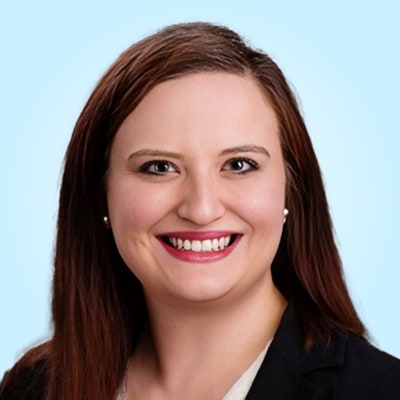
Amy S. Malish
Pugh Accardo
Marina J. Wilson
Pugh Accardo


When Control Creates Risk: Vicarious Liability for Franchisors
This program explores the evolving landscape of vicarious liability in the franchise context, with a focus on how operational control can create risks for franchisors. Designed for practitioners looking to better understand the risks vicarious liability poses for franchisors, the program will cover the basics of vicarious liability in the franchise context, including theories of control, emerging areas of franchisor liability such as the TVPRA, and suggestions for mitigation risk to reduce exposure while protecting and maintaining brand integrity.
Topics covered include:
Agenda:
- What is Vicarious Liability?
- What is Franchising?
- Theories of Vicarious Liability Within Franchising
- Right of Control
- Instrumentality
- Apparent Agency
- Emerging Area – Trafficking Victims Protection Reauthorization Act (TVPRA)
- Mitigation
- Questions and Answers
Duration of this webinar:
60 minutes
Originally broadcast:
June 22, 2026 8:00 AM PT
Webinar Highlights
This webinar is divided into section summaries, which you can scan for key points and then dive into the sections that interest you the most.
Vicarious liability involves one party being held responsible for another's actions due to their relationship. The theory of respondeat superior is a key aspect, holding employers liable for employees' actions under certain conditions. Agency law also plays a role, where a principal may be bound by an agent's actions. Franchising involves a licensing relationship where the franchisor provides the franchisee with brand use and operational support.
The discussion shifts to court cases examining franchisor liability based on control over franchisees. The Domino's Pizza case is highlighted, where the franchisor was held liable due to extensive control over franchisee operations. Courts assess whether franchisors exert control beyond brand maintenance, affecting liability decisions. Other cases, like Ortega and Nichols, also explore these issues, showing the ongoing legal challenges in franchising.
The instrumentality test requires franchisors to control the specific aspect of a franchisee's business causing harm for liability to be imposed. The Currier Newport Lodge case illustrates this, where the franchisor's lack of control over a lodge's bar operations negated liability. Courts require evidence of control over the harm-causing instrumentality, not just general operational standards. Apparent authority is another consideration, where third parties' perceptions of control influence liability. The Atos case highlights the complexities of apparent authority in franchising.
The Trafficking Victims Protection Reauthorization Act (TVPRA) poses new liability concerns for hotel franchisors. The TVPRA allows civil actions against those benefiting from sex trafficking. The Doe v. ESAP Portfolio case demonstrates challenges in proving franchisor liability under the TVPRA. Courts require evidence of franchisors' participation in trafficking ventures, not just room rentals or industry knowledge. The Hotel Rally case shows courts are open to vicarious liability claims if franchisors exert significant control over franchisee operations.
Franchisors can mitigate vicarious liability risks by clearly defining franchisee independence in agreements and enforcing it in practice. Franchisors should focus on brand protection without controlling franchisee operations to avoid liability. Operations manuals should emphasize outcomes rather than detailed operational control to limit liability exposure. Strong indemnification provisions and appropriate insurance coverage can protect franchisors from liability claims.
Please note this AI-generated summary provides a general overview of the webinar but may not capture all details, nuances, or the exact words of the speaker. For complete accuracy, please refer to the original webinar recording.
Speakers
Amy S. Malish
Special Partner
Pugh Accardo
Pugh Accardo
Ms. Malish is a Special Partner at Pugh Accardo in New Orleans, Louisiana. She is licensed in both Louisiana and Texas. Read More ›


Marina J. Wilson
Associate Attorney
Pugh Accardo
Pugh Accardo
Marina Wilson is an Associate at Pugh Accardo. Her practice focuses on complex commercial litigation, intellectual property, and counseling franchise companies with business and compliance matters. Read More ›
Continuing Legal Education (CLE) Credits
*CLE credit is only available to Justia Connect Pros. Not a Pro? Upgrade today>>
Alaska CLE
Status: Approved
Format: Live (Virtual), On-Demand
Credits: 1.00 General
Earn Credit Until: June 21, 2031
California CLE
Status: Approved
Format: On-Demand
Credits: 1.00 General
Earn Credit Until: June 30, 2028
Hawaii CLE
Status: Approved
Format: Live (Virtual), On-Demand
Credits: 1.00 General
Earn Credit Until: June 21, 2028
Illinois CLE
Status: Approved
Format: On-Demand
Credits: 1.00 General
Earn Credit Until: June 21, 2028
New Jersey CLE
Status: Approved
Format: Live (Virtual), On-Demand
Credits: 1.20 General
Earn Credit Until: April 22, 2027
North Carolina CLE
Status: Approved
Format: On-Demand
Credits: 1.00 General
Earn Credit Until: February 28, 2027
Ohio CLE
Status: Approved
Format: On-Demand
Credits: 1.00 General
Earn Credit Until: December 31, 2026
Pennsylvania CLE
Status: Approved
Format: On-Demand
Credits: 1.00 Substantive Law, Practice, and Procedure
Earn Credit Until: June 21, 2028
Texas CLE
Status: Approved
Format: On-Demand
Credits: 1.00 General
Earn Credit Until: May 31, 2027
Vermont CLE
Status: Approved
Format: Live (Virtual), On-Demand
Credits: 1.00 General
Earn Credit Until: June 22, 2031
West Virginia CLE
Status: Approved
Format: On-Demand
Credits: 1.20 General
Earn Credit Until: December 31, 2029
This presentation is approved for one hour of General CLE credit in Alaska, one hour of General CLE credit in California, one hour of General CLE credit in Hawaii, one hour of General CLE credit in Illinois, one hour of General CLE credit in North Carolina, one hour of General CLE credit in Ohio, one hour of Substantive Law, Practice, and Procedure CLE credit in Pennsylvania, one hour of General CLE credit in Vermont, and one hour of General CLE credit in West Virginia. This program has been approved by the Board on Continuing Legal Education of the Supreme Court of New Jersey for 1.20 hours of total CLE credit. This course has been approved for Minimum Continuing Legal Education credit by the State Bar of Texas Committee on MCLE in the amount of 1.00 credit hours.
Justia only reports attendance in jurisdictions in which a particular Justia CLE Webinar is officially accredited. Lawyers may need to self-submit their certificates for CLE credit in jurisdictions not listed above.
Note that CLE credit, including partial credit, cannot be earned outside of the relevant accreditation period. To earn credit for a course, a lawyer must watch the entire course within the relevant accreditation period. Lawyers who have viewed a presentation multiple times may not be able to claim credit in their jurisdiction more than once. Justia reserves the right, at its discretion, to grant an attendee partial or no credit, in accordance with viewing duration and other methods of verifying course completion.
At this time, Justia only offers CLE courses officially accredited in certain states. Lawyers may generate a generic attendance certificate to self-submit credit in their own jurisdiction, but Justia does not guarantee that lawyers will receive their desired CLE credit through the self-submission or reciprocity process.
Looking for CLE credit?
Visit CLE Dashboard
Watch Related Videos
CLE
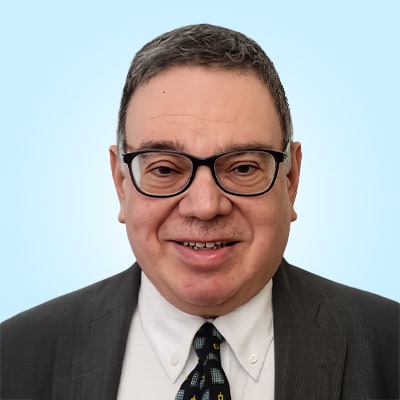
Mark Conrad
Fordham University, Gabelli School of Business
Sports Law 2026
Major Changes in the Legal Landscape
Watch Now

Become a Member to Watch This Webinar
* CLE credit is only available to Justia Connect Pro members.
Free Justia Connect Memberships are available to lawyers, other legal professionals, students, and all law enthusiasts.
Log In NowNot a Member? Get Connected for Free
* CLE credit is only available to Justia Connect Pro members.
CLE

Jennifer Sweeton
Sweeton Injury Law, LLC
PTSD 101
Recognizing PTSD & Related Disorders in Legal Clients
Watch Now
Become a Member to Watch This Webinar
* CLE credit is only available to Justia Connect Pro members.
Free Justia Connect Memberships are available to lawyers, other legal professionals, students, and all law enthusiasts.
Log In NowNot a Member? Get Connected for Free
* CLE credit is only available to Justia Connect Pro members.
CLE

James Perry
Atticus Injury Law, PC
“Mild” Traumatic Brain Injury (TBI) Cases
Understanding, Developing and Litigating
Watch Now
Become a Member to Watch This Webinar
* CLE credit is only available to Justia Connect Pro members.
Free Justia Connect Memberships are available to lawyers, other legal professionals, students, and all law enthusiasts.
Log In NowNot a Member? Get Connected for Free
* CLE credit is only available to Justia Connect Pro members.
CLE


Heather Marx
Cozen O'Connor
Kristi Zentner
Cozen O'Connor
Smart Contracting
Prioritizing Key Issues in Legal Negotiations
Watch Now
Become a Member to Watch This Webinar
* CLE credit is only available to Justia Connect Pro members.
Free Justia Connect Memberships are available to lawyers, other legal professionals, students, and all law enthusiasts.
Log In NowNot a Member? Get Connected for Free
* CLE credit is only available to Justia Connect Pro members.
CLE
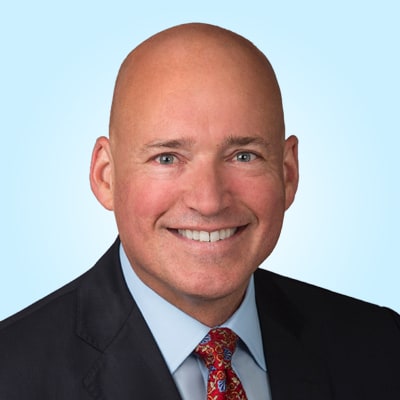
James Gatto
Sheppard Mullin
Beyond Copyright Training
10 Interesting AI Issues Being Litigated
Watch Now
Become a Member to Watch This Webinar
* CLE credit is only available to Justia Connect Pro members.
Free Justia Connect Memberships are available to lawyers, other legal professionals, students, and all law enthusiasts.
Log In NowNot a Member? Get Connected for Free
* CLE credit is only available to Justia Connect Pro members.
CLE

Kellie W. Fisher
Drummond Woodsum
Adam R. Prescott
Bernstein Shur Sawyer & Nelson, PA
Subchapter V Plan Confirmation Requirements and Strategies
Watch Now
Become a Member to Watch This Webinar
* CLE credit is only available to Justia Connect Pro members.
Free Justia Connect Memberships are available to lawyers, other legal professionals, students, and all law enthusiasts.
Log In NowNot a Member? Get Connected for Free
* CLE credit is only available to Justia Connect Pro members.
CLE
Ian R. Alexander
Goldberg & Goldberg, LLC
The Fallacy of Corporate Amnesia and How To Use Corporate Memory To Prove Systemic Breakdowns That Will Win Your Case
Watch Now
Become a Member to Watch This Webinar
* CLE credit is only available to Justia Connect Pro members.
Free Justia Connect Memberships are available to lawyers, other legal professionals, students, and all law enthusiasts.
Log In NowNot a Member? Get Connected for Free
* CLE credit is only available to Justia Connect Pro members.
CLE

Michael S. Zullo
Duane Morris LLP
J. Colin Knisely
Duane Morris LLP
The New Frontier of Privacy Litigation
Watch Now
Become a Member to Watch This Webinar
* CLE credit is only available to Justia Connect Pro members.
Free Justia Connect Memberships are available to lawyers, other legal professionals, students, and all law enthusiasts.
Log In NowNot a Member? Get Connected for Free
* CLE credit is only available to Justia Connect Pro members.
CLE

James Perry
Atticus Injury Law, PC
Zachary Pyers
Reminger Co., L.P.A.
Personal Injury Litigation
Rideshare, Delivery, and Micro-Vehicle Claims
Watch Now
Become a Member to Watch This Webinar
* CLE credit is only available to Justia Connect Pro members.
Free Justia Connect Memberships are available to lawyers, other legal professionals, students, and all law enthusiasts.
Log In NowNot a Member? Get Connected for Free
* CLE credit is only available to Justia Connect Pro members.


